Dubai has developed into one of the world’s most recognised destinations for property ownership and real estate investment. Supported by modern infrastructure, international connectivity, a diverse economy and a wide selection of residential communities, the city continues to attract buyers from the UAE and overseas.
For investors looking to buy property in Dubai for investment, the market offers opportunities across apartments, villas, townhouses, waterfront residences, branded developments and emerging master-planned communities. Investors can consider both ready and off-plan properties depending on their financial strategy, preferred investment horizon and expected rental demand.
However, successful property investment requires more than choosing an attractive development. Location, developer reputation, community infrastructure, rental demand, property type, supply, connectivity and future development plans should all form part of the decision-making process.
This guide explains what investors should consider before buying property in Dubai and how to approach the market with a long-term investment perspective.
Why Buy Property in Dubai for Investment?
Dubai offers a combination of factors that has helped establish the emirate as an international real estate destination.
The city attracts professionals, entrepreneurs, families and international businesses from across the world. This broad population base creates demand for different types of residential accommodation, ranging from practical apartments near employment districts to luxury waterfront residences and family villas.
Dubai also continues to expand its transportation networks, residential communities, commercial centres, tourism attractions and lifestyle infrastructure. For property investors, this means opportunities are not limited to established areas. Developing districts can also become attractive when infrastructure, employment centres and surrounding amenities mature.
Another important advantage is market accessibility for international investors. Dubai Land Department states that foreign nationals can own property in designated freehold areas, making Dubai property ownership accessible to eligible overseas buyers.
Understanding Dubai's Property Investment Market
Before deciding to buy property in Dubai for investment, buyers should understand that the Dubai market consists of multiple submarkets.
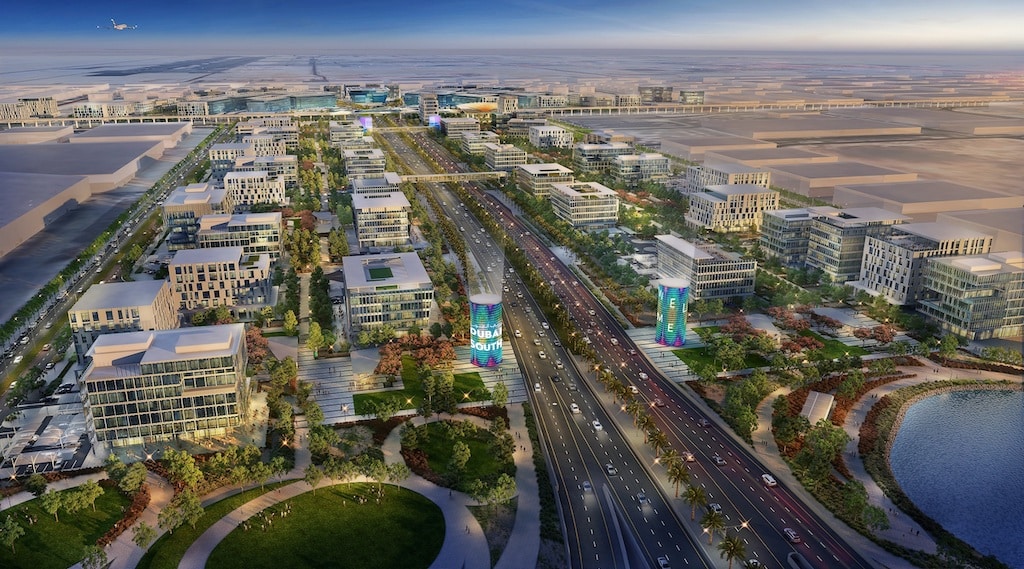
A waterfront apartment in Dubai Marina may attract a different tenant profile from an apartment in Dubai South. Similarly, a family townhouse in a suburban master community operates differently from a luxury residence near Downtown Dubai.
Investors should therefore avoid treating Dubai as one single property market.
Important factors to examine include:
- Current and future rental demand
- Property supply within the community
- Developer reputation
- Accessibility and transportation
- Nearby schools and healthcare facilities
- Employment hubs
- Retail and entertainment options
- Upcoming infrastructure
- Property maintenance and service charges
- Expected tenant demographics
- Potential resale demand
Understanding these factors allows investors to compare properties based on fundamentals rather than marketing alone.
Best Types of Property for Investment in Dubai
Different property types can support different investment strategies.
Apartments
Apartments remain one of the most common options for property investors in Dubai.
Studios and one-bedroom apartments can appeal to professionals, couples and tenants looking for convenient access to business districts and transport links. Larger two- and three-bedroom apartments may appeal to families, especially in established residential communities.
Apartment investors should evaluate building quality, facilities, service charges, parking, accessibility and competing rental inventory within the same location.
Villas and Townhouses
Dubai's villa and townhouse communities attract families seeking additional space, privacy, gardens and community facilities.
Properties located near schools, parks, retail centres and road networks can be particularly relevant to long-term family tenants.
Investors considering villas or townhouses should examine both the immediate property and the quality of the wider master community.
Waterfront Properties
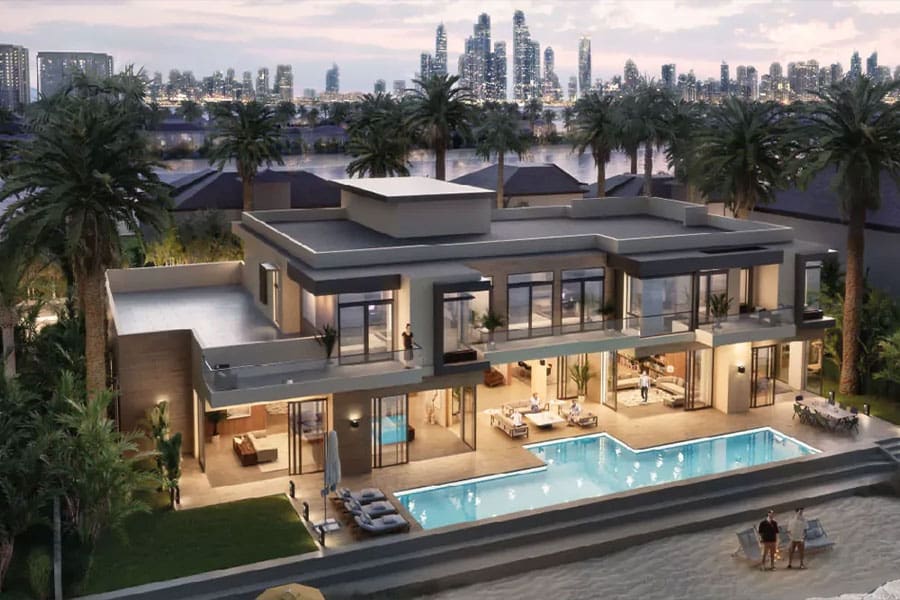
Waterfront living remains an important part of Dubai's premium property market.
Communities offering beach, marina, canal or island lifestyles may attract residents seeking views, leisure facilities and premium surroundings.
However, investors should still evaluate supply, accessibility, developer quality and community maturity rather than assuming that every waterfront property will perform in the same way.
Branded and Luxury Residences
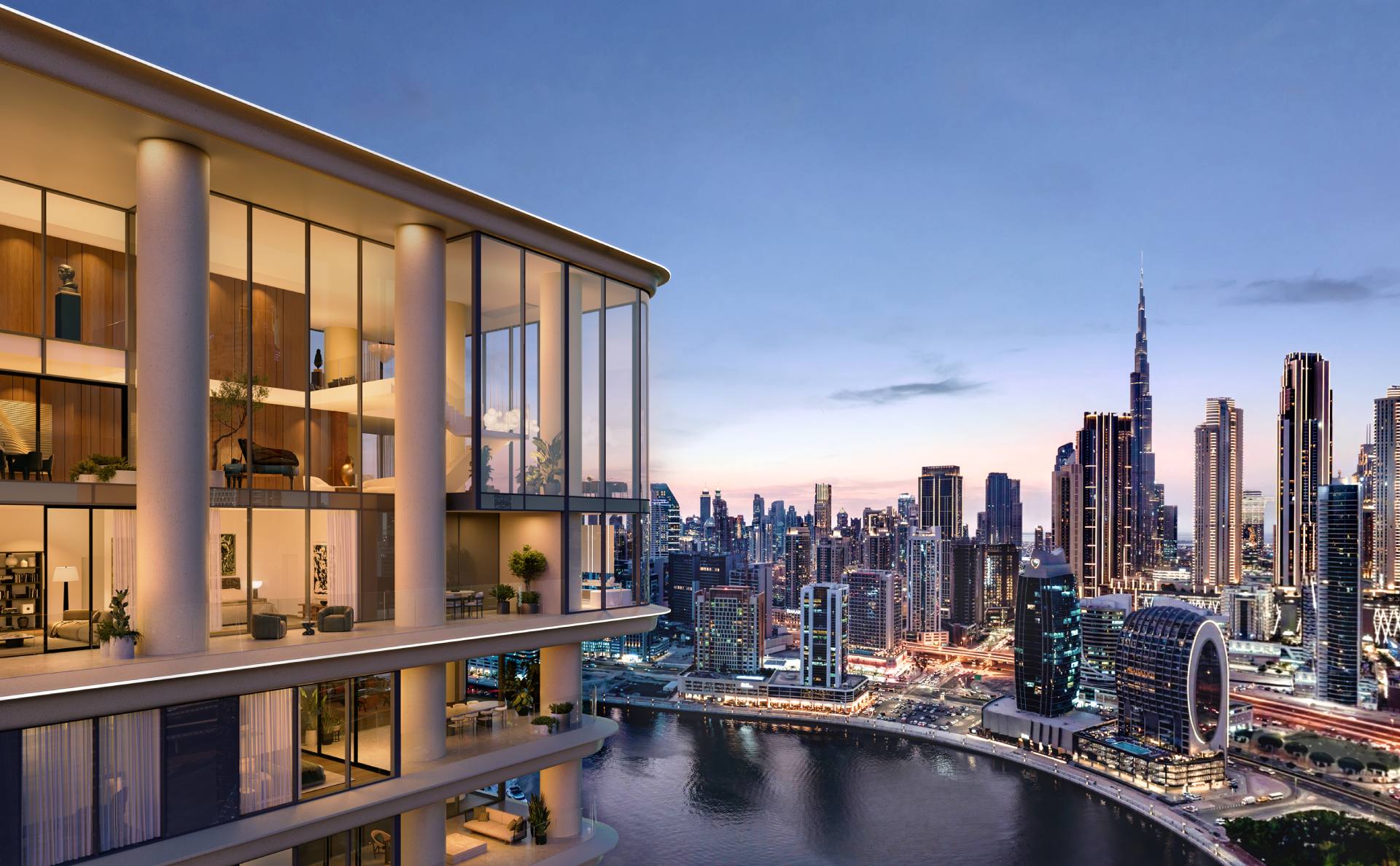
Dubai has a significant luxury residential sector consisting of branded residences, premium apartments, penthouses and high-end villas.
These properties generally target affluent residents and international buyers. Investment performance can depend heavily on exclusivity, location, management quality, brand positioning and the availability of comparable luxury inventory.
Ready Property or Off-Plan Property?
Investors who want to buy property in Dubai for investment will usually encounter two broad choices: ready property and off-plan property.
Ready Properties
Ready properties are completed units that can generally be inspected before purchase.
For investors focused on rental income, ready properties can provide the advantage of evaluating the existing building, surrounding community, actual rental activity and local amenities.
Investors may also be able to compare similar transactions within the same building or neighbourhood.
Off-Plan Properties
Off-plan properties are purchased before construction is completed.
They can provide access to new developments, developing locations and modern community concepts. Payment schedules may also be spread across different construction stages depending on the developer and project.
Dubai Land Department uses an initial registration system for off-plan transactions intended to record property sales before final transfer into the real estate registry.
Before purchasing off-plan, investors should carefully review the developer, project registration, construction schedule, sale agreement, unit specifications and overall master plan.
Choosing the Right Location for Dubai Property Investment
Location remains one of the most important elements of property investment.
Dubai contains both established communities and rapidly developing districts, giving investors different strategies to consider.
Established areas can provide existing infrastructure, recognised addresses and measurable rental activity. Developing communities, meanwhile, may offer longer-term potential as transportation, commercial activity, schools, hospitality and residential infrastructure expand.
Popular investment areas can include locations around Downtown Dubai, Business Bay, Dubai Marina, Dubai Hills Estate, Dubai Creek Harbour, Jumeirah Village Circle, Dubai South, Dubai Islands and other freehold communities.
The right location ultimately depends on the investor's objective.
An investor seeking long-term family tenants may prioritise schools, parks and larger homes. Someone targeting professionals may focus on accessibility to employment districts. Investors targeting holiday or premium tenants may consider tourism-oriented or waterfront locations.
Connectivity and Infrastructure Matter
Dubai's road and transportation infrastructure plays an important role in property desirability.
Easy access to major routes can reduce commuting times and make residential communities more convenient. Metro connectivity can also be particularly valuable for apartments targeting professionals and residents who prefer public transportation.
Investors should look beyond today's infrastructure and examine planned developments surrounding the area.
Future roads, metro expansions, airports, retail destinations, business districts and community facilities can influence how an area develops over time.
However, future infrastructure should be treated as one part of an investment assessment rather than the sole reason for purchasing.
Check the Developer's Track Record
Developer selection can have a significant impact on the experience of owning property in Dubai.
Before investing, buyers should research previous developments completed by the developer and assess factors such as:
- Construction quality
- Project delivery history
- Building management
- Community planning
- Maintenance standards
- Customer service
- Quality of amenities
- Reputation among existing owners
For off-plan investments especially, understanding the developer's history can help investors evaluate whether the project's positioning aligns with their expectations.
Understand Property Registration and Documentation
Proper registration is essential when purchasing real estate in Dubai.
Dubai Land Department is the authority responsible for registering and documenting real estate transactions in the emirate. Completed property sale registrations result in ownership documentation such as an electronic title deed.
International investors should ensure that contracts, ownership structures, registration requirements and documentation are properly reviewed before completing a purchase.
Working with qualified real estate professionals and obtaining appropriate legal or financial advice where necessary can help buyers understand the transaction clearly.
Consider the Total Cost of Property Ownership
Investment decisions should not be based solely on the property's purchase amount.
Property owners may also need to consider registration costs, service charges, property management expenses, maintenance, financing costs and other transaction-related expenses.
These expenses influence the property's net investment performance.
A property offering strong rental income but unusually high recurring costs may produce a different result from a similar property with more efficient operating expenses.
Investors should therefore calculate potential returns after expenses rather than concentrating only on headline rental income.
How to Buy Property in Dubai for Investment Successfully
Investors considering Dubai real estate should take a research-driven approach.
Begin by establishing a realistic investment objective and preferred property type. Compare several communities rather than concentrating only on one development. Analyse rental demand, accessibility, infrastructure, future supply, developer reputation and ownership costs.
After identifying suitable opportunities, review documentation carefully and ensure the transaction follows Dubai's official property registration requirements.
Professional property guidance can also be valuable, particularly for overseas investors who may not be familiar with differences between Dubai's communities and developments.
Conclusion
Choosing to buy property in Dubai for investment can provide access to one of the world's most internationally connected real estate markets. Dubai offers a broad selection of apartments, villas, townhouses, waterfront residences and luxury developments suited to different investment strategies.
The strongest property decisions are generally based on fundamentals rather than short-term attention. Location, tenant demand, connectivity, community quality, developer reputation, property expenses and long-term resale appeal should all be considered carefully.
Whether evaluating an established community or an emerging development, investors should define their objectives before purchasing and compare opportunities based on both current conditions and future potential.