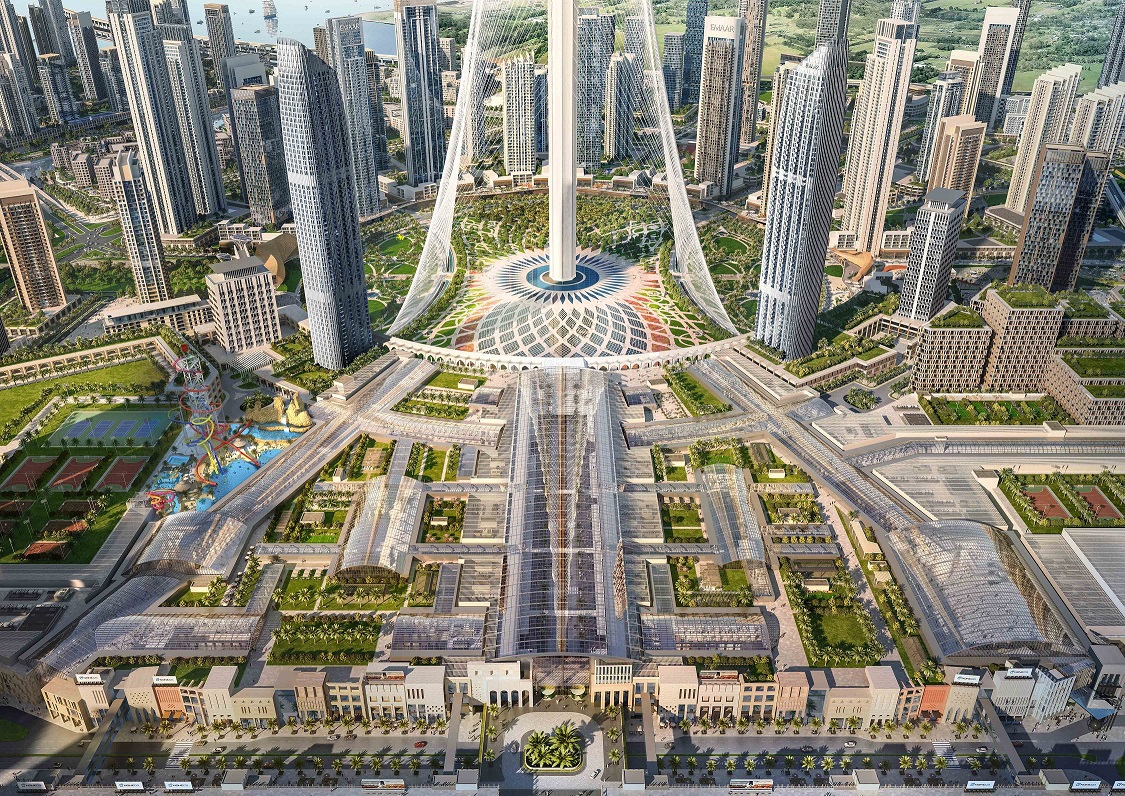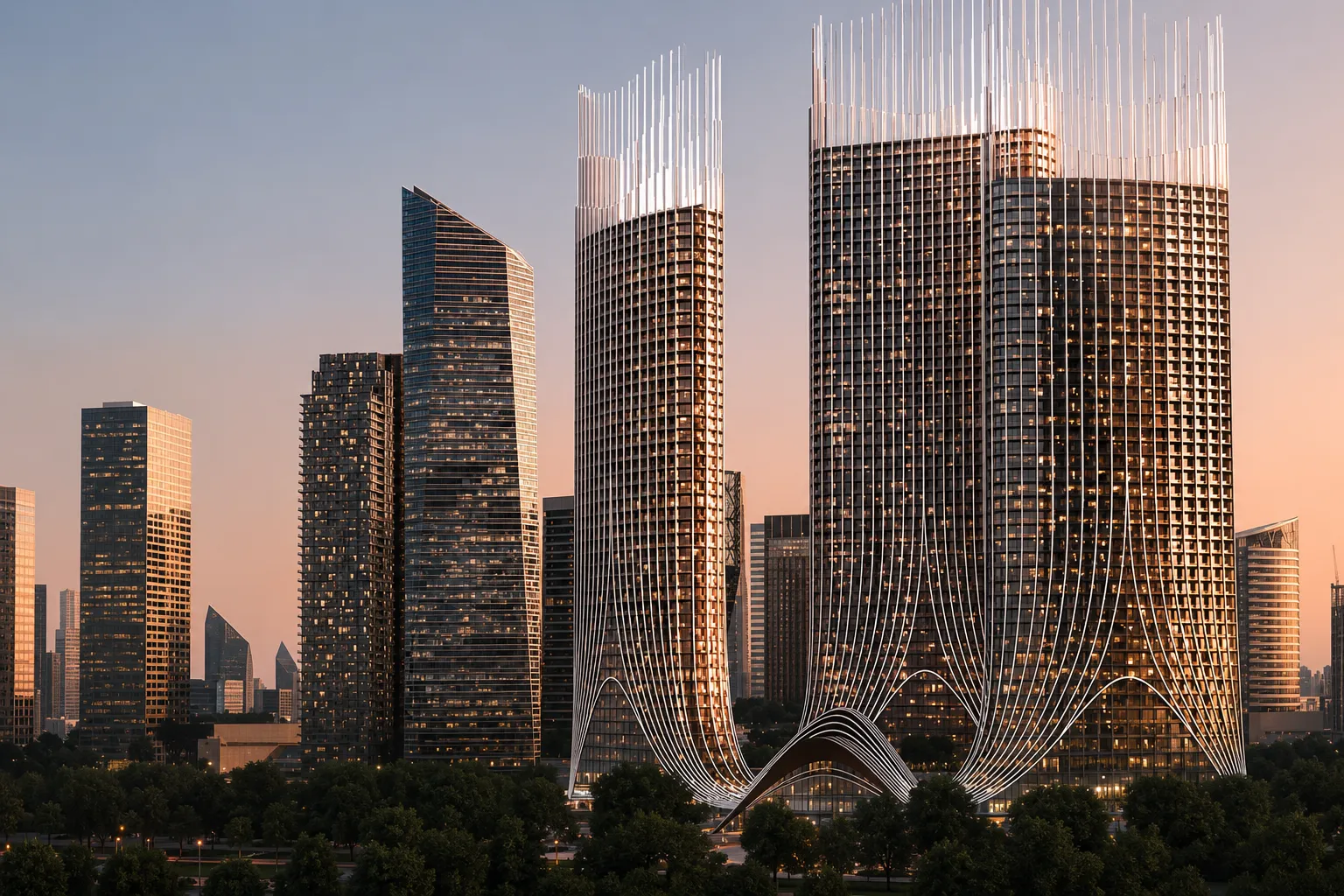
Dubai has evolved from a regional trading centre into a dynamic real estate market. Modern infrastructure, investor-friendly regulation and global connectivity have made Dubai investment property an important asset class. Buyers now seek assets that can produce rental income, preserve capital and benefit from long-term urban development.
The market offers apartments, villas, townhouses, branded residences, commercial units and off-plan developments. Some buyers want immediate cash flow; others target appreciation through early purchases in emerging communities.
A successful strategy requires more than choosing an attractive building. Investors must evaluate location, developer reputation, tenant demand, service charges, ownership regulations and exit potential. This guide presents a professional, future-ready approach.
Why Dubai Investment Property Attracts Global Buyers
Dubai combines economic ambition with an international lifestyle. Growth in finance, tourism, technology, logistics and professional services supports employment and housing demand across multiple segments.
Foreign buyers can purchase freehold property in designated areas and register ownership through the Dubai Land Department. This framework gives eligible international investors the ability to sell, lease, transfer or inherit property. Regulation by the Dubai Land Department and the Real Estate Regulatory Agency also encourages transparency.
Market diversity is another advantage. Investors can choose apartments, family homes, waterfront residences, branded projects or commercial spaces. Dubai real estate investment opportunities are also supported by new transport links, community facilities and business destinations.
Defining the Investment Objective
Before selecting a property, investors should define the result they want. The main objectives are rental income, capital appreciation and portfolio diversification.
Income-focused investors generally prioritise completed properties in established communities. They examine occupancy, annual rent, management requirements and operating costs. Net returns should be calculated after service charges, maintenance, management fees and possible vacancy.
Growth-focused investors may prefer emerging locations or off-plan projects. Buying early can capture value from infrastructure and community development, but requires analysis of delivery timelines, developer history and competing supply.
Diversification investors may combine apartments, family homes and commercial assets to balance income, risk and long-term value.
Property Types Available to Investors
Apartments
Apartments are highly active investment assets. Studios and one-bedroom units attract professionals and couples, while larger apartments suit families and executives. Smaller units can provide good liquidity in connected areas.
Affordability alone should not determine a purchase. Building quality, layout, parking, facilities, management standards and surrounding supply can significantly affect rental and resale performance.
Villas and Townhouses
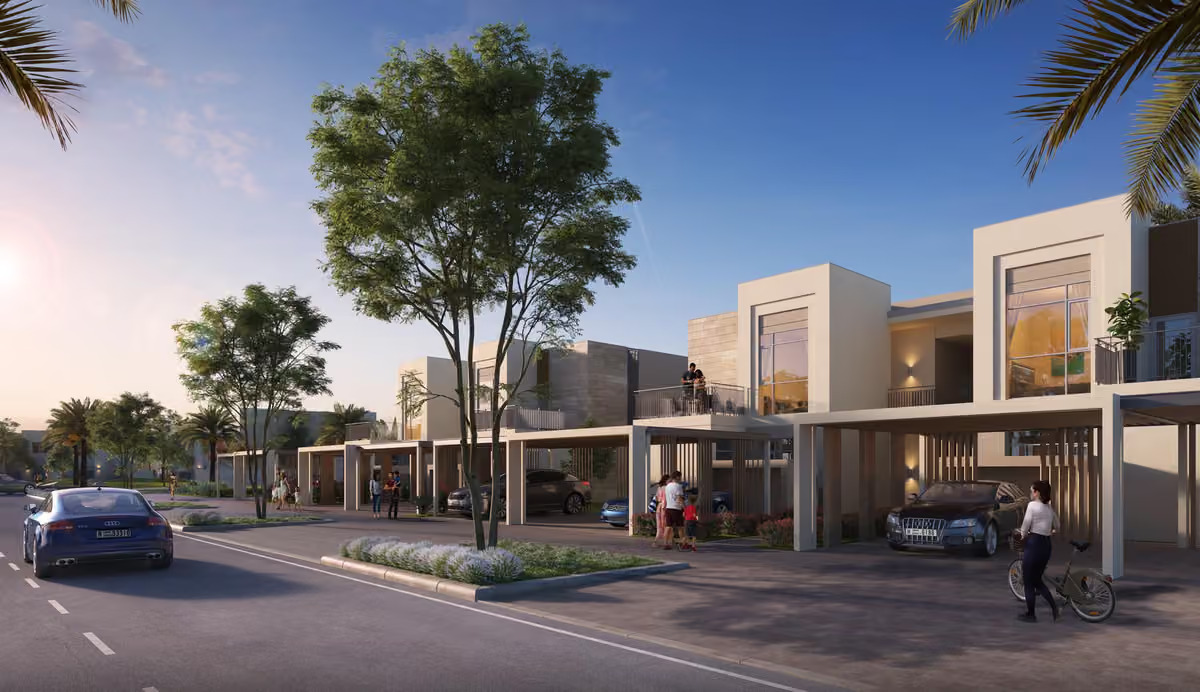
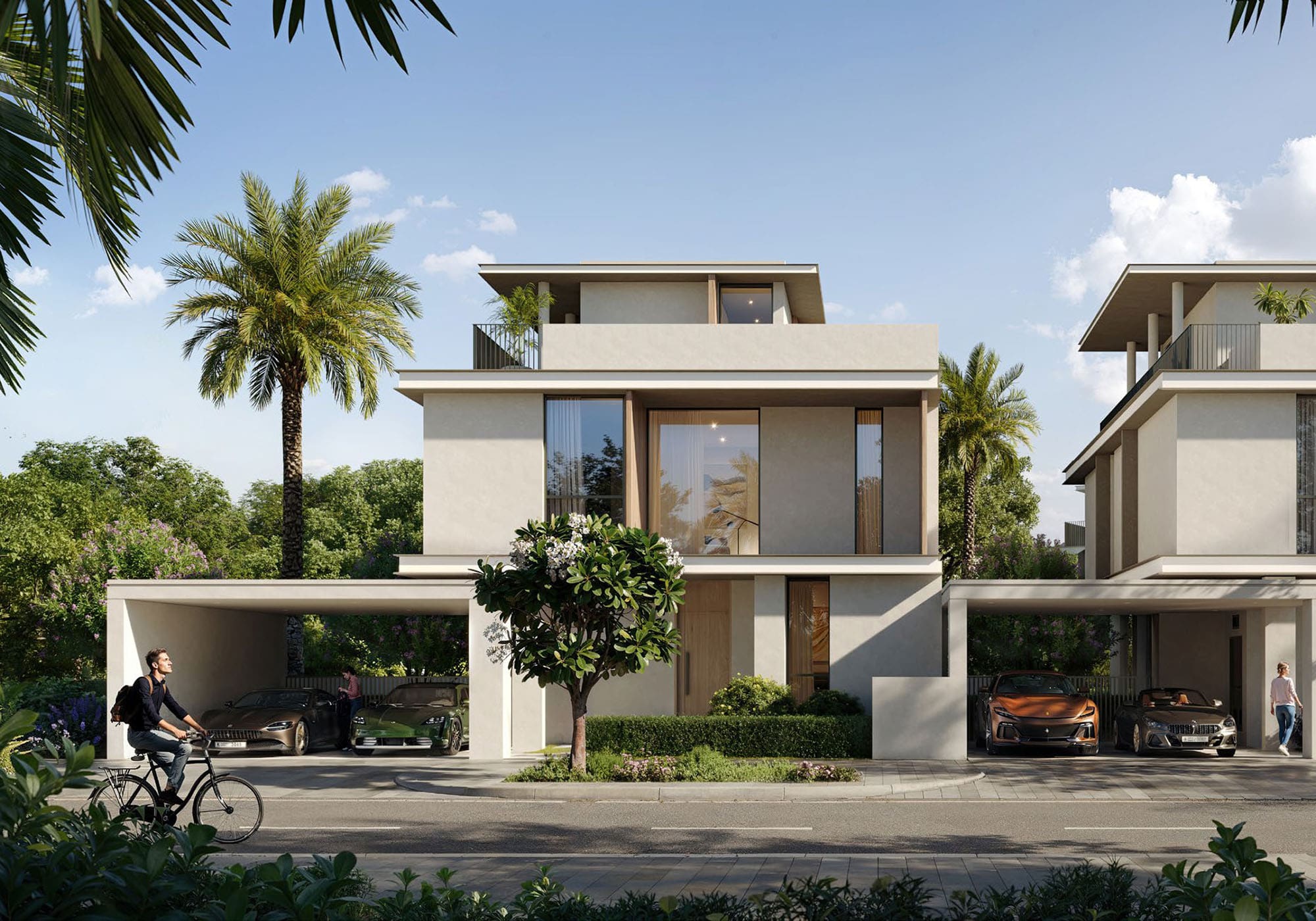
Villas and townhouses appeal to families seeking space, privacy and community facilities. They can support stable long-term tenancies in neighbourhoods with schools, parks, retail centres and convenient road access.
Their return profile may differ from apartments. Rental yield can be moderate, while scarcity, land value and family demand may support appreciation. Maintenance responsibilities and community charges must be reviewed.
Branded and Luxury Residences
Branded residences combine property with hospitality and global brand recognition. Investors should assess the operator, management structure, service charges, competing supply and future resale audience.
Commercial Property
Offices, retail units and warehouses can provide longer leases. Performance depends on business activity, tenant quality, accessibility and lease structure, so specialised due diligence is essential.
Ready Property Versus Off-Plan Investment
Ready properties are completed units that can be inspected, occupied or leased soon after purchase. They suit investors seeking immediate income and clearer information about condition, rental demand and ongoing expenses.
A ready unit may already have a tenant. Buyers should review the tenancy contract, rental record, condition and outstanding service charges before transfer.
Off plan investment property Dubai opportunities follow a different model. Buyers purchase before completion and normally pay through construction-linked instalments. This can reduce the initial capital requirement and create appreciation potential before handover.
Performance depends on the developer, registration, escrow arrangements, construction progress, location and future supply. A well-selected project needs clear demand drivers, credible delivery and a practical exit strategy.
Identifying High ROI Property in Dubai
A high ROI property in Dubai is not simply the unit with the highest advertised percentage. Real performance depends on net income, acquisition expenses, vacancy, maintenance, service charges, finance costs and resale potential.
Investors should examine:
- Annual rent against the total acquisition cost
- Service charges and maintenance expenses
- Vacancy and tenant turnover
- Management and furnishing costs
- Mortgage and registration expenses
- Future community supply
- Resale demand and liquidity
Location remains central. Properties near employment, schools, transport and retail generally attract more tenants. Established districts may cost more, while emerging locations may offer stronger growth. The right choice depends on time horizon and risk tolerance.
A slightly lower gross yield may be more dependable when the property has stronger occupancy, better management and greater resale demand.
Key Dubai Investment Locations
Dubai Marina
Dubai Marina offers waterfront living, high-rise residences and strong expatriate demand. Restaurants, leisure facilities and public transport support long-term and short-term rentals. Building quality, views and service charges should be compared carefully.
Downtown Dubai
Downtown Dubai provides global recognition, premium residences and access to major landmarks. It attracts executives, tourists and luxury buyers. Investors should focus on quality, scarcity and long-term positioning.
Business Bay
Business Bay combines homes, offices, hotels and waterfront development. Its location supports professional and corporate demand, although building quality and operating costs vary.
Jumeirah Village Circle
Jumeirah Village Circle offers apartments, townhouses and family facilities at comparatively accessible entry points. It attracts tenants seeking community living. Investors should examine future supply, layout efficiency, management and connectivity.
Dubai Hills Estate
Dubai Hills Estate is a master-planned community with parks, schools, retail and varied housing. Its integrated environment appeals to families and long-term residents, supporting rental stability as the area matures.
Dubai South
Dubai South is a long-term growth corridor connected to aviation, logistics, exhibitions and residential development. It can suit patient investors who assess infrastructure timelines, employment growth and future housing supply.
Legal and Financial Considerations
Investors planning to buy investment property in Dubai UAE should complete due diligence before signing. Ownership status, project registration, title documentation and broker licensing should be verified through relevant authorities.
For off-plan purchases, buyers should confirm project registration and approved payment arrangements. For ready properties, they should check the title deed, seller authority, service-charge position, physical condition and tenancy status.
Mortgage buyers should obtain pre-approval and understand rates, down payments, valuations and settlement conditions. Cash buyers should calculate the full acquisition cost. Independent professional advice can reduce risk for overseas buyers.
Rental Strategies and Tenant Demand
Dubai rental yield properties can serve long-term tenants, short-term guests or corporate occupiers. Each model has different costs and management requirements.
Long-term leasing can provide predictable income with lower operational intensity. Short-term rentals may generate higher nightly revenue in tourism areas, but require furnishing, cleaning, marketing, guest support and seasonal occupancy management.
The property should match its likely tenant. A studio near a business hub may suit professionals, while a townhouse near schools can attract families. Correct audience positioning improves occupancy and limits turnover.
Building a Future-Ready Strategy
Dubai’s property market is increasingly influenced by technology, sustainability and changing lifestyles. Smart-home systems, energy efficiency, remote-working facilities, electric-vehicle infrastructure and integrated digital services are becoming more important.
Future-ready investors should study how a property will compete after completion, not only how it appears at launch. Efficient layouts, durable materials, reliable connectivity and practical amenities can improve long-term relevance.
Transport projects, employment zones and tourism districts can reshape demand, but sustainable value usually comes from accessibility, community quality and controlled supply.
A balanced portfolio could include a ready apartment for income, an off-plan unit for growth and a family home for stability. This approach spreads risk across property types, locations and investment timelines.
Common Investment Mistakes
Buying only because of a discount or flexible payment plan is a common mistake. Payment convenience does not guarantee rental demand or capital growth.
Ignoring service charges can also weaken results. High operating costs reduce net yield, especially in buildings with extensive amenities. Investors should avoid unrealistic rental forecasts and compare actual listings, transactions and occupancy patterns.
Weak developer selection, limited location research and the absence of an exit plan can damage performance. Every purchase should answer three questions: Who will rent the property, who may buy it later, and what will keep it competitive in five or ten years?
Conclusion
Dubai investment property offers meaningful opportunities for income, capital appreciation and international diversification. Its freehold framework, global connectivity, modern infrastructure and broad housing demand make the market attractive to both new and experienced investors.
Strong outcomes depend on disciplined selection. Buyers should compare ready and off-plan options, calculate net returns, assess developer credibility, study tenant demand and understand legal and operating costs. Successful investing is not driven by hype; it is built on data, location quality, long-term relevance and a clear objective.
As Dubai becomes smarter, more connected and more sustainable, investors who focus on future demand rather than short-term promotion will be better positioned to create resilient property value.