Dubai has rewritten the rules of property ownership. In most global markets, buying a home means a large cash deposit or a long, interest-heavy mortgage. In Dubai, a well-structured Dubai property payment plan lets you secure a prime address with a modest down payment and spread the rest over years — often without paying a single dirham in interest. As the emirate moves into a new era of branded residences, AI-designed communities, and record off-plan launches, understanding how these payment structures work has become the single most important skill for any buyer or investor.
This guide breaks down every plan type, the percentages behind them, the regulations that protect your money, and the real costs involved — so you can choose the structure that fits your goals and your cash flow.
What Is a Dubai Property Payment Plan?
A Dubai property payment plan is an agreement between a buyer and a developer to pay for a property in scheduled installments rather than a single lump sum. Instead of handing over the full price upfront, you pay an initial booking deposit, followed by a series of payments linked either to construction milestones or to fixed calendar dates.
These plans are most common for off-plan property — homes that are still under construction. The developer effectively finances the purchase over the term of the plan, usually interest-free, which is why zero interest property payment options in Dubai have become such a powerful draw for first-time buyers and seasoned investors alike. Rather than competing with banks, Dubai's developers compete with each other on flexibility, and the buyer wins.
The appeal is simple. A property worth AED 1,000,000 no longer demands AED 1,000,000 in savings. You might pay 20% at booking and spread the remaining 80% across three to five years, aligning your outgoings with your income instead of draining your capital in one move.
Why Flexible Payment Plans Define Dubai's Market
Dubai's real estate sector is unique in the sheer variety of developer payment plans for Dubai homes. With well over 150 new project launches in a single year and demand pouring in from local and international investors, developers have engineered structures for every buyer profile.
The advantages are clear:
- Lower barrier to entry. Many plans require just a 10–20% deposit, far below the 20–30% banks typically demand for a mortgage on a ready property.
- Interest-free financing. Most developer plans carry no interest, sidestepping bank rates and strict lending criteria entirely.
- Cash-flow control. Spreading the cost lets you keep capital free for other investments, renovations, or simply a healthier financial buffer.
- Early-bird pricing. Buying off-plan locks in today's price, with the potential for capital appreciation by the time the keys are handed over.
These flexible Dubai property installment plans have turned property ownership from a privilege of the wealthy into a realistic goal for young professionals and global investors building a portfolio.
The Main Types of Payment Plans in Dubai
Not all plans are created equal. Choosing the right one depends on whether you are an end-user who wants to move in, or an investor optimizing returns. Here are the structures that dominate the market.
1. Construction-Linked (Milestone-Based) Plans
The most traditional structure. Payments are released in stages tied to verified construction progress — foundation, structure, finishing, and so on. Because installments are triggered by real, audited work, this plan offers strong transparency and is the backbone of most off-plan sales.
2. Post-Handover Payment Plans in Dubai
Among the most popular options today, post-handover payment plans in Dubai let you continue paying for the property after you have received the keys. You typically pay a down payment plus a portion during construction, then settle the balance over a defined period — commonly three, five, or even ten years following handover.
For end-users, this dramatically reduces upfront pressure. For investors, it is a masterstroke: rental income from the completed unit can cover the post-handover installments, effectively letting the property pay for itself.
3. The 1% Monthly Payment Plan
A genuinely innovative structure, pioneered in the region by Danube Properties and now offered by several developers. After a down payment of around 20%, you pay just 1% of the property's value each month over a fixed period, usually six to eight years. On a AED 1,000,000 apartment, that is roughly AED 10,000 a month — comparable to rent, but building equity instead of a landlord's. It is the clearest example of an easy payment schedule for Dubai real estate and is ideal for buyers who want predictability without a heavy upfront commitment.
4. Rent-to-Own Plans
Designed for ready, move-in properties and aimed at end-users, rent-to-own lets your monthly rent count toward eventual ownership. A lease agreement converts you from tenant to owner once the agreed terms are met — perfect for those who lack the lump sum for a traditional purchase but want to stop renting indefinitely.
5. Mortgage Financing (The Alternative)
While not a developer plan, a mortgage is the main alternative. It grants immediate legal ownership but carries interest, requires a 20% down payment for expats (15% for UAE nationals), and is subject to bank approval and rate fluctuations. Many buyers blend the two — using a payment plan during construction, then a mortgage for the final handover balance.
Understanding the Payment Ratios
Most plans are expressed as a ratio showing the split between what you pay during construction and what you pay at or after handover. Here is how the common structures compare:
| Plan Ratio | Paid During Construction | Paid at / After Handover | Best Suited For |
|---|---|---|---|
| 10:90 | 10% | 90% | Buyers wanting minimal upfront cost |
| 20:80 | 20% | 80% | First-time buyers |
| 40:60 | 40% | 60% | Balanced investors |
| 50:50 | 50% | 50% | Mid-range cash flow |
| 60:40 | 60% | 40% | Investors with staged capital |
| 70:30 | 70% | 30% | Lower handover exposure |
| 80:20 | 80% | 20% | Buyers minimizing final payment |
The right ratio depends on your liquidity, your mortgage strategy, and your risk tolerance. A 60/40 plan eases construction-stage cash but demands more at completion, while an 80/20 plan front-loads payments to leave only a small balance at handover.
The Regulations That Protect Your Money
This is where Dubai separates itself from less mature markets — and where smart buyers do their homework. Several entities safeguard every transaction:
- Dubai Land Department (DLD): The government authority that registers all property transactions and collects the official fees.
- RERA (Real Estate Regulatory Agency): The regulator that licenses developers, mandates escrow accounts, and monitors construction progress.
- Escrow accounts: Every off-plan project must hold buyer payments in a project-specific escrow account. Developers can only access these funds as verified construction milestones are met — your primary protection against default. This system is mandated under Law No. 8 of 2007 and reinforced by Law No. 13 of 2017.
- Oqood: The interim property register that records your off-plan purchase before a title deed exists, protecting you from double-selling.
- Sale and Purchase Agreement (SPA): The legally binding contract specifying price, payment schedule, handover date, and penalties. Always review it carefully, ideally with a property lawyer.
- Title Deed: The final ownership document issued on completion.
Before paying anything, verify the project's RERA registration and active escrow account using the Dubai REST or myDLD app. A legitimate easy payment schedule for Dubai real estate always runs through these protections — if a developer asks you to pay into a personal account rather than escrow, walk away.
The Real Costs Beyond the Price
A complete picture of any Dubai property payment plan includes the fees that sit alongside the headline price:
- 4% DLD registration fee (often partly shared with the developer)
- AED 580 DLD administrative fee
- Oqood registration fee (around AED 1,000+ for off-plan)
- Booking / reservation fee (typically 5–10% of the price)
- Service charges (post-handover, calculated per square foot)
- NOC and assignment fees (2–5% of value if you resell before handover)
- Mortgage and valuation fees (only if financing the balance)
Budgeting for these upfront prevents unwelcome surprises and keeps your installment plan genuinely affordable.
Who These Plans Are For
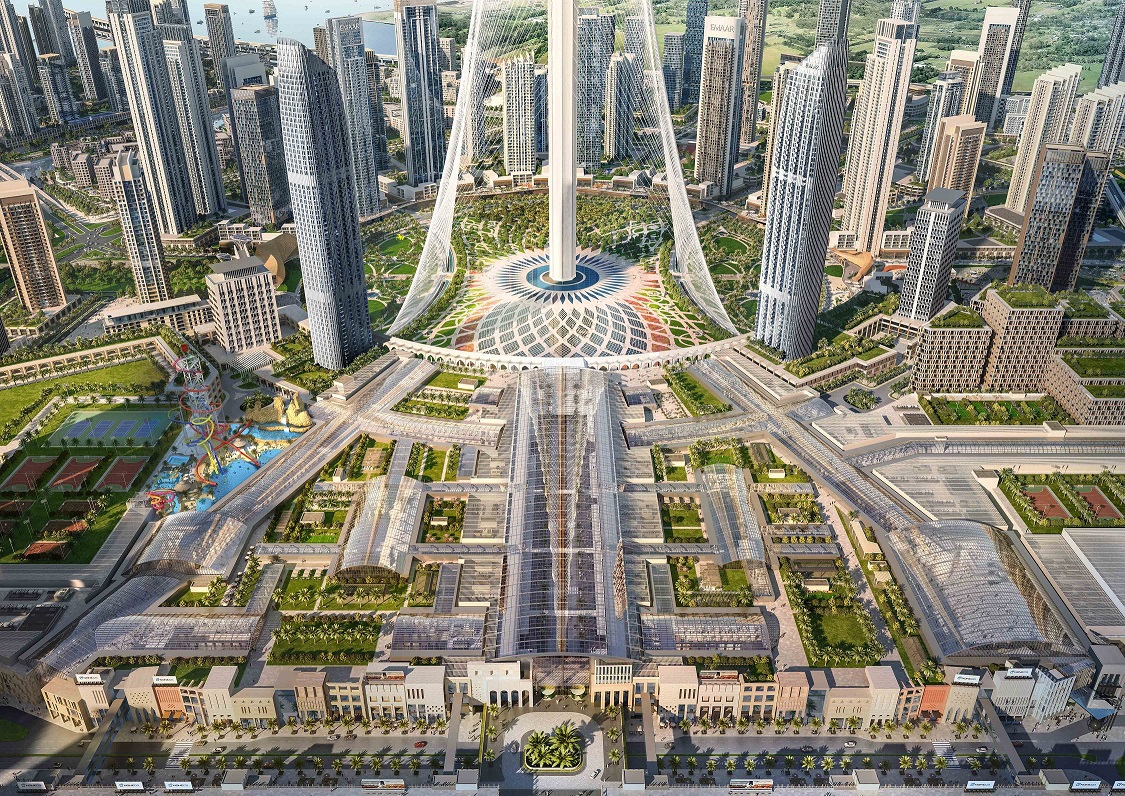
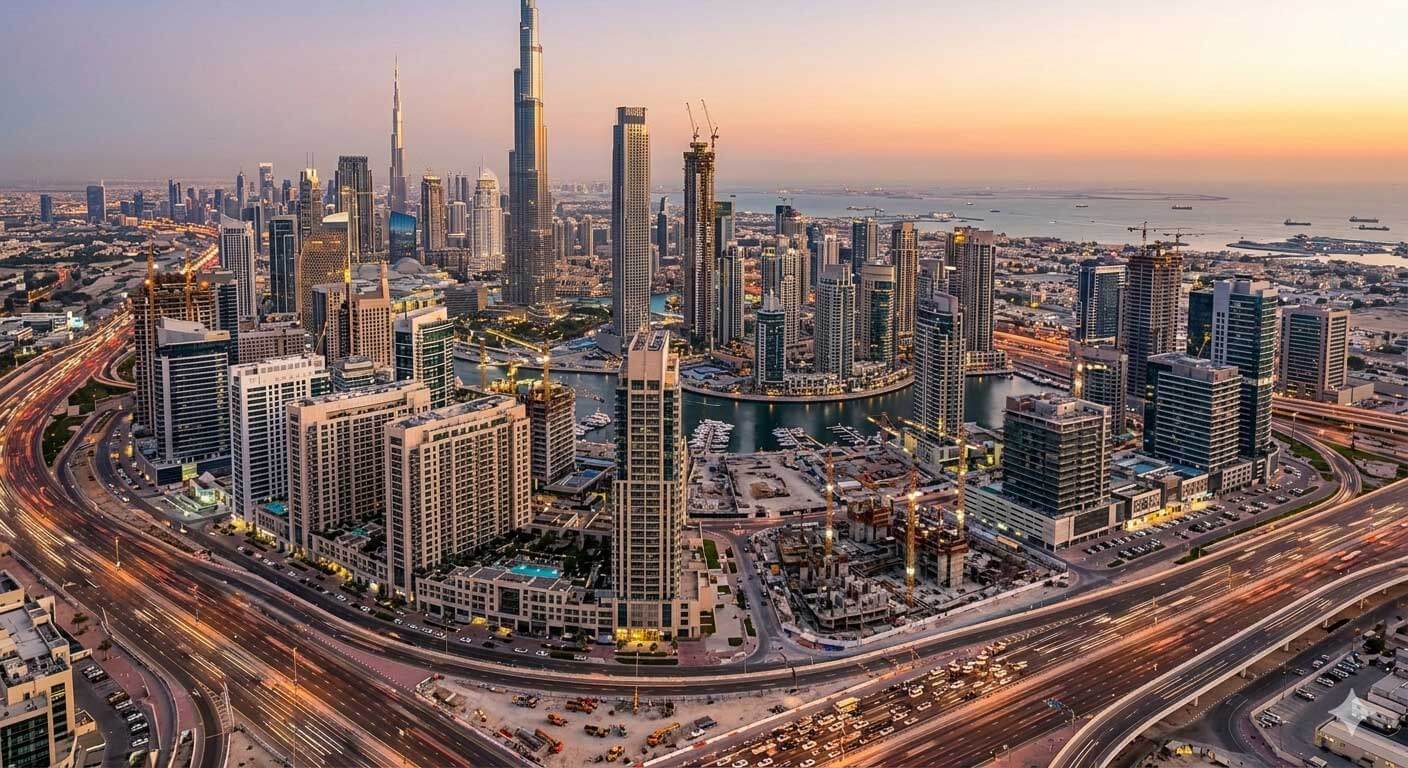
Dubai's freehold areas allow foreign nationals to own property outright, and flexible plans are tailored to a wide range of buyers — first-time owners, seasoned investors, expats, non-residents, and end-users alike. Communities such as Downtown Dubai, Dubai Creek Harbour, Business Bay, Jumeirah Village Circle, Dubai Hills, and Emaar Beachfront all offer projects with varied developer payment plans for Dubai homes.
There is also a powerful incentive layer: a property purchase of AED 750,000 or more can qualify you for a two-year residence visa, while AED 2 million unlocks the coveted ten-year Golden Visa. Combined with Dubai's zero capital gains tax, zero annual property tax, and zero tax on rental income, the financial logic is compelling.
A Glimpse of the Future
The next chapter of Dubai real estate is already taking shape. Developers are extending tenures to seven and ten years, blending post-handover flexibility with smart-home and sustainability features, and using digital platforms to make verification instant. As branded residences, AI-planned districts, and tokenized ownership models mature, flexible Dubai property installment plans will only grow more creative — but the fundamentals of escrow protection, RERA oversight, and transparent scheduling will remain the bedrock of buyer confidence.
Conclusion
A Dubai property payment plan is more than a financing tool — it is the gateway that makes one of the world's most dynamic property markets accessible to ordinary buyers and ambitious investors alike. By understanding the plan types, the ratios, the regulatory safeguards, and the true costs, you can move through your purchase with confidence and choose a structure that turns the dream of owning in Dubai into a smart, future-ready reality