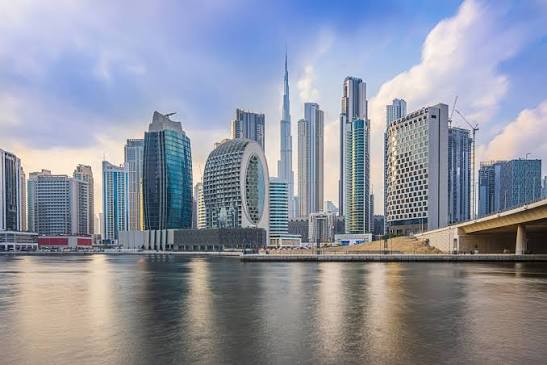
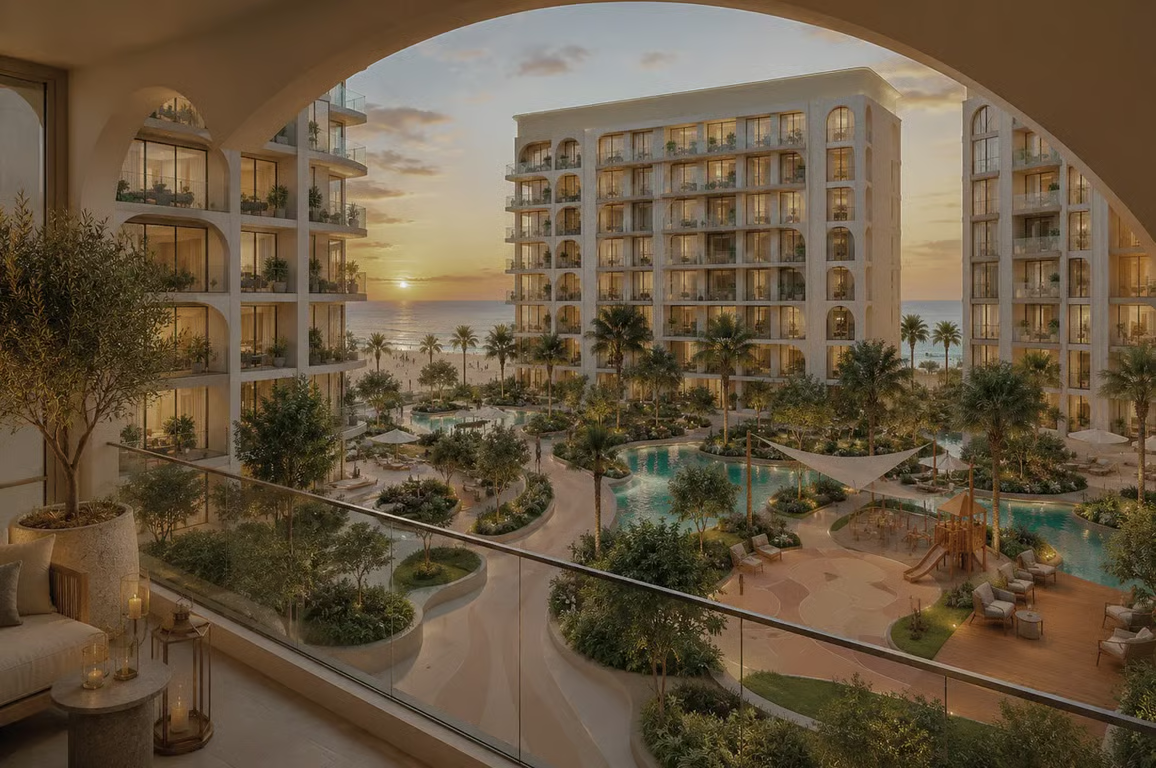
Dubai Real Estate Insights
Dubai Real Estate Investment Opportunities
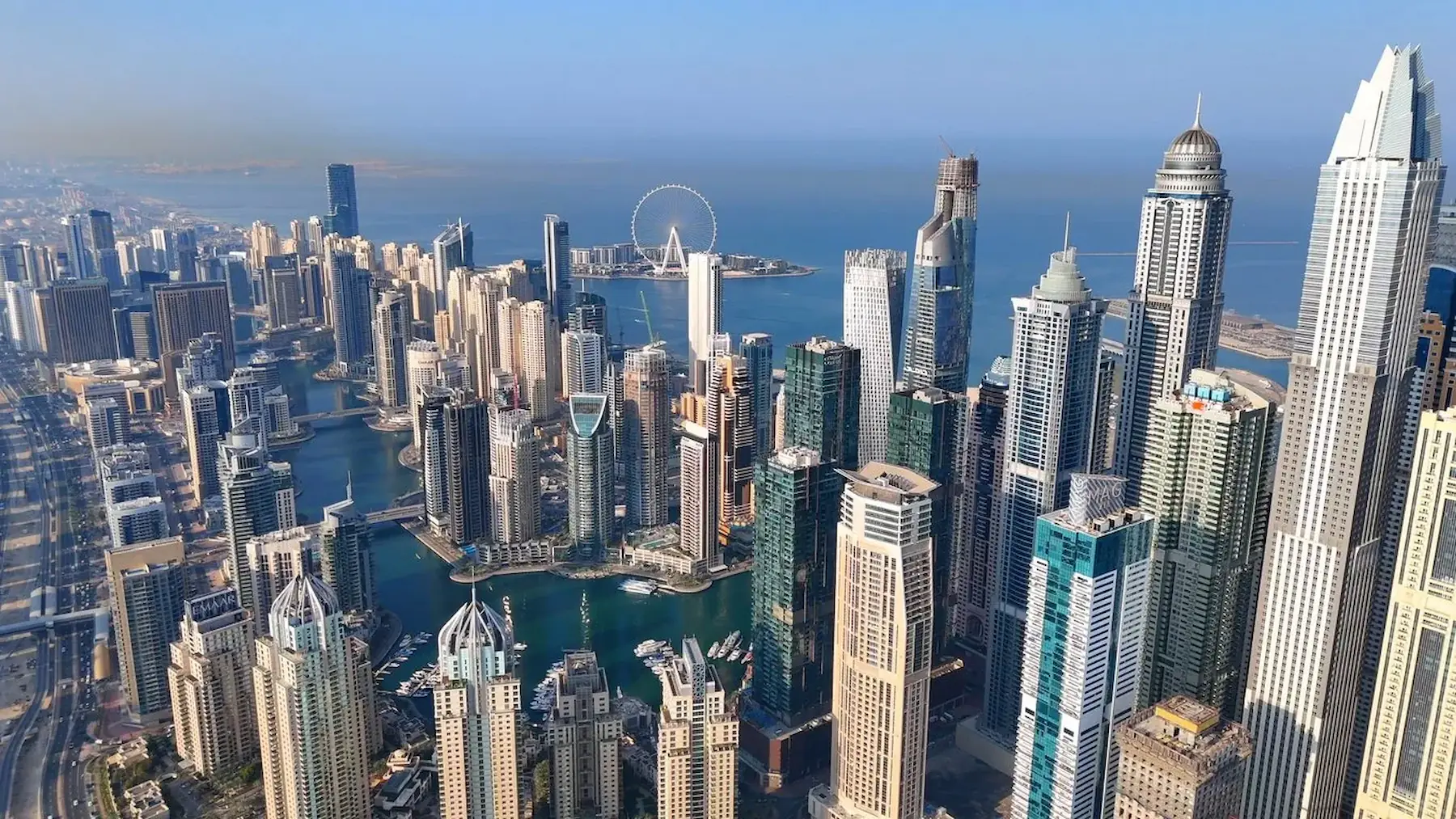
Dubai real estate investment opportunities attract international buyers seeking rental income, portfolio diversification, and long-term capital appreciation. Yet successful investing requires more than choosing a fashionable address. Buyers must examine transaction evidence, ownership rules, service charges, development pipelines, and the financial performance of individual properties.
From established waterfront apartments to emerging master-planned communities, Dubai offers options for different budgets and investment horizons. This guide explains how to compare opportunities, measure returns, understand risks, and identify properties aligned with your financial objectives.
Understanding Dubai’s Property Investment Market in 2026-2027
Dubai’s real estate market recorded more than 270,000 transactions worth over AED 917 billion in 2025, according to an official Dubai government announcement. The figures demonstrate market activity, but they do not guarantee future price growth or profits for individual owners.
The Dubai Economic Agenda D33, international business activity, tourism, and infrastructure investment influence housing demand. Nevertheless, financing costs, global uncertainty, and incoming residential supply can affect rents and property prices. Investors should investigate recent comparable transactions instead of assuming historical trends will continue unchanged.
A market assessment combines prices, achievable rents, building condition, projected supply, and holding period. Dubai Land Department transaction records provide valuable evidence for informed decisions.
Best Real Estate Investment Opportunities in Dubai
The Best Real Estate Investment Opportunities in Dubai depend on whether an investor prioritises recurring income, potential appreciation, flexibility, or personal use.
Residential Apartments
Studio, one-bedroom, and two-bedroom apartments can attract working professionals, couples, and smaller households. Homes near employment districts, Metro stations, supermarkets, and community facilities may appeal to more tenants. Compare floor plans, parking, annual service charges, and competing units within the same building.
Villas and Townhouses
Family-oriented developments offer spacious interiors, gardens, and neighbourhood amenities. Villas and townhouses may attract longer-term tenants seeking schools, parks, and privacy. Evaluate landscaping expenses, repairs, community rules, and maintenance obligations before calculating projected returns.
Waterfront and Luxury Properties
Dubai Marina, Palm Jumeirah, Dubai Creek Harbour, and Dubai Islands offer different waterfront investment propositions. Beach access, views, management standards, and exclusivity influence asking prices. However, a prestigious address does not necessarily generate the highest net rental yield.
Commercial Real Estate
Offices and retail premises provide exposure to business tenants. Lease duration, fit-out responsibilities, vacant periods, permitted property uses, and tenant creditworthiness need separate analysis. Commercial and residential investments should not be compared using headline yields alone.
Best Areas to Invest in Dubai Real Estate
Selecting the Best Areas to Invest in Dubai Real Estate involves matching neighbourhood fundamentals with a specific investment strategy.
- Jumeirah Village Circle (JVC): Apartments serving varied budgets and household types. Review building quality, rental competition, access roads, and service charges.
- Business Bay: A mixed-use district close to Downtown Dubai, attracting residents seeking offices, restaurants, and urban convenience. Compare canal-facing and inland buildings.
- Dubai Marina: An established waterfront community with dining, leisure, and public transport links. Examine building age, maintenance standards, and holiday-home restrictions.
- Dubai South: A longer-horizon proposition associated with logistics, aviation, and development around Al Maktoum International Airport. Evaluate existing rental demand alongside future plans.
- Downtown Dubai: A premium location associated with Burj Khalifa and retail destinations. Higher acquisition costs require especially careful net-yield calculations.
- Dubai Creek Harbour: Master-planned waterfront residences with varied construction phases. Consider completed amenities and additional units expected to enter the market.
Also examine Jumeirah Lakes Towers for Metro access, Al Furjan for families, and Dubai Hills Estate for amenities. No area consistently outperforms every other neighbourhood.
High ROI Properties for Sale in Dubai: Calculating Real Returns
Searching for High ROI Properties for Sale in Dubai requires separating promotional rental-yield claims from realistic cash flow. Gross rental yield compares annual rent with purchase price, while net yield accounts for operating expenses.
Imagine an apartment costing AED 1,000,000 and generating AED 75,000 in annual rent. Its gross rental yield is 7.5%. If service charges, management, maintenance, and estimated vacancy together cost AED 15,000 annually, its simplified net yield is 6%, before financing and other acquisition expenses.
Before purchasing, assess:
- Actual comparable rents rather than optimistic advertisements.
- Annual building service charges and maintenance reserves.
- Vacancy periods, tenant turnover, and management expenses.
- Purchase fees, financing arrangements, and possible selling costs.
- Tenant demand and competition from newly completed homes.
Mortgage investors should also calculate cash-on-cash returns and monthly debt payments. A property advertising an attractive gross yield may produce disappointing net cash flow after interest and repairs.
Off Plan Property Investment Opportunities in Dubai
Off Plan Property Investment Opportunities in Dubai attract buyers seeking staged payments and exposure to developments before completion. Emaar, DAMAC, Sobha Realty, Nakheel, and Binghatti are among the developers active in Dubai, although product quality and delivery conditions vary by project.
Before committing, verify the developer’s credentials, project registration, escrow account, construction status, proposed handover date, and contract terms. Dubai Land Department and the Real Estate Regulatory Agency oversee important aspects of the sector, while Oqood is associated with off-plan property registration.
Payment flexibility does not eliminate construction delays, market changes, or resale restrictions. An anticipated rental figure for a future building remains an estimate until the property is completed and comparable tenancies exist.
Ready properties offer different advantages: physical inspections, known building conditions, clearer comparable rents, and potentially earlier tenancy income. Buyers should check occupancy, title documentation, outstanding charges, and any existing lease. Neither strategy is universally superior.
Can Foreign Investors Buy Property in Dubai?
Foreign nationals may acquire freehold property in designated Dubai areas, subject to applicable legal requirements. Buyers should confirm ownership designation, review contracts, verify the seller or developer, and budget for Dubai Land Department registration fees and other transaction charges.
Eligible property investment may also support a UAE Golden Visa application. Dubai Land Department describes a property-investor route involving qualifying ownership worth at least AED 2 million, with additional documentation and conditions. Residence approval is not automatic, and applicants should verify current eligibility before relying on this benefit.
Rental owners should understand Ejari registration and relevant tenancy requirements. Seek professional advice for complex purchases, mortgages, or cross-border tax considerations.
The Future of Dubai Real Estate Investment
Dubai’s 2040 Urban Master Plan focuses on connected communities, public spaces, accessibility, and coordinated urban development. Planned expansion at Al Maktoum International Airport contributes to Dubai South’s longer-term infrastructure narrative, but announced projects do not guarantee surrounding property appreciation.
Technology is also changing property ownership. Digital transaction services, energy-efficient construction, smart-building systems, and data-driven valuation can improve transparency and operating efficiency. Investors should distinguish measurable benefits, such as reduced maintenance requirements, from marketing language about futuristic lifestyles.
Future performance will depend on jobs, population movement, tourism, interest rates, housing completions, and broader economic conditions. Tracking these indicators helps investors avoid decisions based only on short-term headlines.
How to Choose the Right Property Investment
Begin with a budget covering the property price, transaction fees, financing, and emergency reserves. Decide whether steady rental income or long-term appreciation matters most. Then shortlist communities using documented sales, rents, transport access, tenant profiles, and forthcoming supply.
Inspect completed homes; for off-plan purchases, study the developer’s delivery history and contract obligations. Model optimistic, baseline, and conservative scenarios, including weaker rents or prolonged vacancies. Finally, prepare an exit strategy that considers resale costs and the possibility of holding longer than intended.
Why Choose Orange Spaces for Dubai Real Estate Investment?
Orange Spaces helps investors explore Dubai real estate investment opportunities through market insights and personalised property guidance. The focus is on finding options aligned with each buyer’s budget, objectives, and long-term plans.
- Market insight: Understand established communities and emerging investment locations.
- Property selection: Compare suitable off-plan and ready properties.
- Investment guidance: Review rental potential, ownership costs, and location fundamentals.
- Personalised support: Shortlist properties based on your priorities and investment horizon.
Conclusion
Dubai real estate investment opportunities encompass income-oriented apartments, family homes, waterfront residences, and developing districts. The strongest investment is not necessarily the newest or most expensive; it is one supported by verified market evidence, realistic return assumptions, sound documentation, and a strategy suited to the buyer.
By comparing neighbourhood fundamentals, assessing net yields, reviewing project credentials, and monitoring Dubai’s infrastructure plans, investors can make more informed decisions. Sustainable results depend on disciplined research and ongoing portfolio evaluation, not promises of guaranteed returns.
FAQ
Frequently Asked Questions
What are the best real estate investment opportunities in Dubai in 2026?
The best real estate investment opportunities in Dubai include off-plan apartments, ready properties, luxury villas, and waterfront residences. Areas such as JVC, Dubai Marina, Business Bay, and Dubai South offer different investment advantages depending on rental demand, budget, and long-term growth potential
Which areas in Dubai offer high ROI property investments?
Jumeirah Village Circle (JVC), Business Bay, Dubai Marina, and Jumeirah Lakes Towers are popular areas for rental property investment. Actual ROI varies depending on property prices, rental income, service charges, occupancy rates, and market conditions
Is investing in off-plan property in Dubai profitable?
Off-plan property investment in Dubai can offer capital appreciation potential and flexible developer payment plans. However, profitability depends on purchase price, developer reliability, construction timelines, market demand, and resale conditions. Returns are not guaranteed
Can foreigners buy property in Dubai and qualify for a Golden Visa?
Yes. Foreign investors can purchase freehold properties in designated Dubai areas. Property investors may also qualify for a UAE Golden Visa through eligible real estate ownership valued at AED 2 million or more, subject to government requirements and approval
Why is Dubai considered an attractive destination for real estate investment?
Dubai attracts property investors through its international business environment, modern infrastructure, designated freehold ownership areas, and diverse residential developments. Rental income opportunities, long-term urban planning, and economic diversification support its investment appeal, although market risks remain