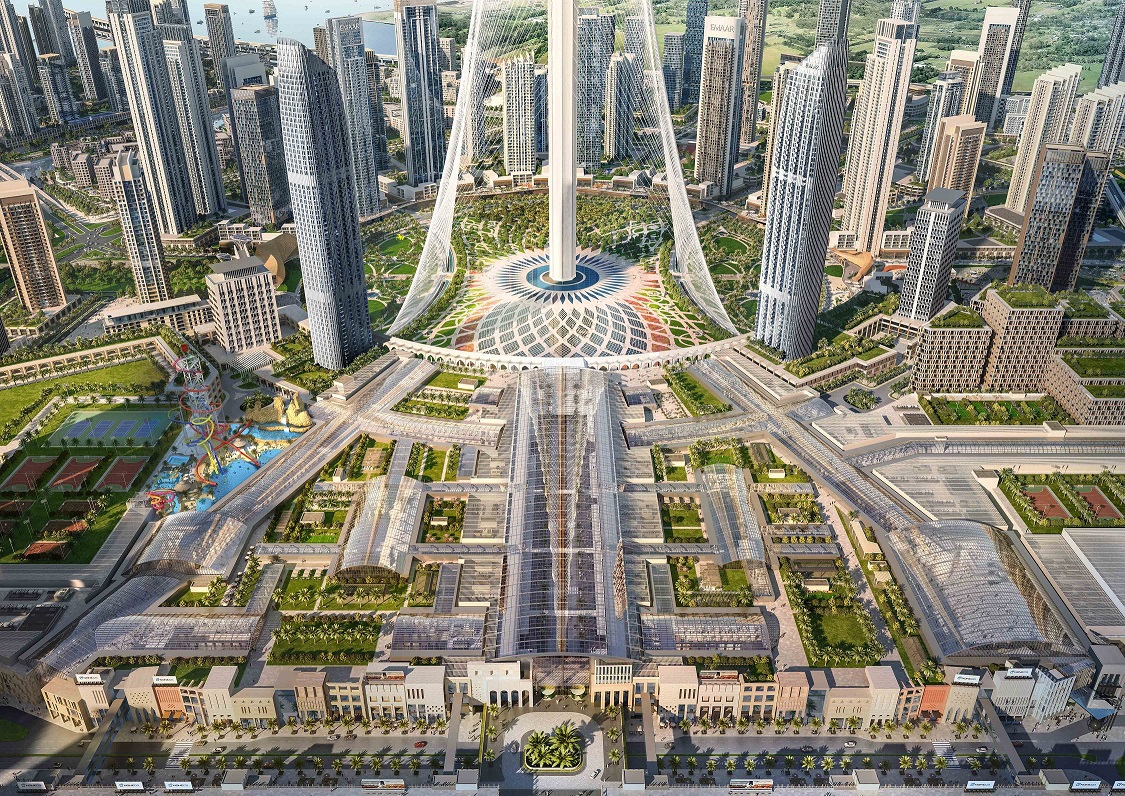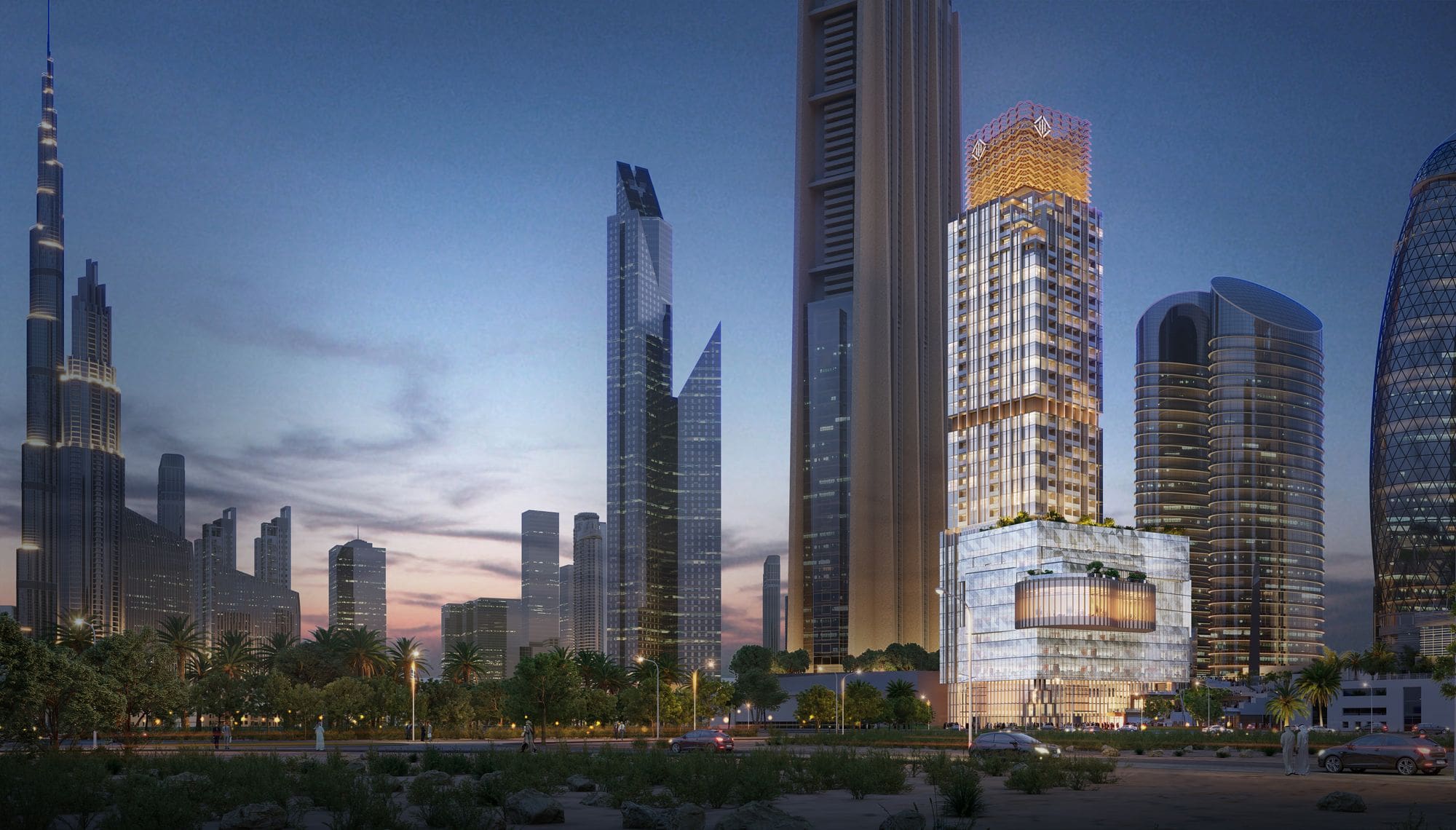
Dubai Real Estate ROI is a central consideration for buyers seeking rental income, capital growth and portfolio diversification. The city combines global connectivity, infrastructure, tax efficiency, population growth and residential and commercial assets. However, strong returns do not come from purchasing any available property. Investors must understand how income, costs, location, property type, tenant demand and market timing work together. A disciplined approach to Dubai property investment returns helps buyers compare opportunities, reduce risk and build a portfolio for performance and future value.
What Dubai Real Estate ROI Really Means
Return on investment measures how efficiently a property generates profit compared with the money invested. In Dubai real estate, ROI may come from recurring rental income and capital appreciation. Some investors prioritise cash flow, while others focus on emerging districts where values may rise.
A complete assessment should include acquisition expenses, service charges, maintenance, management fees, financing costs, vacancy periods and selling costs. This prevents gross income from being mistaken for true profit.
Dubai property investment returns can differ between properties in the same community. Unit size, floor level, view, layout, building quality, handover status and service-charge structure influence income and resale demand.
Real Estate ROI Calculation for Dubai Property
A basic Real estate ROI calculation compares net profit with the total amount invested.
ROI = Net Profit ÷ Total Investment Cost × 100
For a rental property, net profit generally means annual rental income after recurring expenses. Total investment cost may include the purchase price, registration charges, agency fees, financing expenses, furnishing and initial improvements.
Investors should calculate both gross and net returns:
- Gross rental yield: Annual rent divided by the property purchase price. This offers a quick comparison but excludes expenses.
- Net rental yield: Annual rent minus ownership and operating costs, divided by total investment. This provides a more reliable picture of profitability.
A forward-looking approach also includes scenario analysis. Investors can calculate conservative, expected and optimistic outcomes using different occupancy levels, rental growth assumptions and resale values.
Understanding Dubai Property Rental Yield
Dubai property rental yield is used to evaluate income-generating real estate. It shows how much annual rent a property produces relative to its acquisition value.
Smaller apartments often generate stronger yields because their purchase cost may be lower while demand remains high. Studios and one-bedroom apartments can appeal to professionals, couples and short-term residents near employment and lifestyle hubs.
Villas and townhouses may offer lower percentage yields in some communities, but they can attract family tenants and support longer occupancy. They may also provide stronger appreciation where land supply is limited.
Commercial properties can deliver attractive returns, although they require knowledge. Lease structures, business demand, fit-out requirements, vacancy periods and sector-specific risks need careful study.
Key Factors That Influence Dubai Real Estate ROI
Location and Accessibility
Location remains a powerful driver of rental demand and resale value. Properties near business districts, transport links, schools, healthcare, retail, leisure destinations and major roads may attract a wider tenant base.
Future infrastructure is equally important. Metro extensions, commercial zones, airports and master-planned communities can change how buyers and tenants perceive a location. Investors should study what exists today and what is planned.
Property Type and Unit Configuration
The right property type depends on the target tenant and investment objective. A studio near an employment hub may offer strong occupancy, while a family townhouse near schools may support longer tenancy.
Layouts also matter. Efficient floor plans, balconies, storage, natural light, workspaces and flexible rooms can improve tenant appeal. Practical design may influence occupancy as much as luxury finishes.
Service Charges and Maintenance
High service charges can reduce net returns even when rental income appears attractive. Investors should review building fees, community charges, maintenance requirements and property age.
Newer buildings may need fewer repairs, but premium amenities can increase charges. Older properties may have lower purchase prices yet require renovation. The best choice balances appeal with manageable ownership costs.
Tenant Demand and Vacancy Risk
Consistent tenant demand supports stable income and reduces vacancy. Investors should identify whether a community attracts professionals, families, tourists, students or corporate tenants.
A property matching local demand is more likely to rent quickly. Furnished apartments may suit tourism-driven or business locations, while larger unfurnished homes may suit long-term families.
High ROI Properties Dubai Investors Commonly Consider
High ROI properties Dubai buyers examine are not defined by luxury alone. They combine a competitive entry price, strong demand, manageable costs and resale liquidity.
- Studios and one-bedroom apartments: These units can attract a broad tenant base and deliver efficient rental income relative to purchase value.
- Properties in established communities: Mature districts offer completed amenities, known demand and visible transaction history.
- Off-plan properties in growth areas: Selected developments may offer flexible payment plans, modern specifications and appreciation potential.
- Family-focused townhouses: Communities near schools, parks and daily services can attract longer-term tenants seeking space.
- Well-managed buildings: Strong facility management and reliable maintenance can protect rental demand and resale value.
The goal is not simply to choose the highest advertised yield. Sustainable ROI depends on income quality, operating efficiency, market depth and exit potential.
Best ROI Areas Dubai Investors Should Evaluate
The Best ROI areas Dubai offers vary according to budget, tenant profile and holding period. Affordable communities may provide stronger rental yields, while premium districts may deliver better capital preservation.
Jumeirah Village Circle attracts attention because of its apartment supply, family-friendly environment and road access. Dubai Silicon Oasis can appeal to professionals and technology-sector employees. International City is recognised for accessible entry points and demand for smaller units.
Dubai Marina, Downtown Dubai and Palm Jumeirah attract buyers seeking premium locations, international recognition and tourism demand. Acquisition costs may be higher, but quality properties can benefit from liquidity and global appeal.
Emerging zones such as Dubai South may offer future growth linked to infrastructure, employment and population expansion. Investors should compare current demand with future supply rather than relying only on announcements.
Off-Plan Versus Ready Property ROI
Off-plan and ready properties offer different return profiles.
Off-plan investments may provide lower initial entry requirements, staged payment plans and appreciation potential during construction. Modern layouts, energy-efficient systems and smart-home features can strengthen tenant appeal. However, investors must assess developer reputation, progress, handover timing, supply and resale conditions.
Ready properties can generate immediate rental income and allow buyers to inspect the unit, building and community. Existing rental data, service-charge records and occupancy trends make analysis more concrete. Ready properties may require a larger upfront payment or renovation.
A balanced portfolio may include ready assets for current cash flow and selected off-plan units for future growth.
Strategies to Improve Dubai Property Investment Returns
- Buy for tenant demand, not personal preference: Select layouts, locations and amenities that match the likely tenant group.
- Calculate net returns before committing: Include fees, service charges, maintenance, management, finance and vacancy assumptions.
- Choose efficient properties: Practical layouts, reasonable charges and strong building management can outperform costlier alternatives.
- Maintain and upgrade intelligently: Preventive maintenance, modern interiors and energy-efficient improvements can support rent and resale value.
- Diversify locations or property types: A mixed portfolio can reduce dependence on one community, tenant segment or market cycle.
The Future of Dubai Real Estate ROI
The next phase of Dubai Real Estate ROI will be shaped by data, sustainability, mobility and intelligent property management. Investors will increasingly compare rental performance, transactions, occupancy and community supply before buying.
Smart buildings, energy-efficient systems and digital tenant services may influence operating costs and desirability. Communities designed around public transport, wellness, green spaces and mixed-use convenience may attract stronger demand.
Artificial intelligence and predictive analytics will improve forecasting by modelling rent, vacancy, appreciation and risk. Yet technology will not replace due diligence. Developer quality, legal review, property condition and local knowledge remain essential.
Common Risks That Can Reduce ROI
Dubai property investment carries risks including oversupply, construction delays, high service charges, unexpected repairs, financing pressure, rental restrictions and weaker resale demand.
Investors should avoid guaranteed-return language without reviewing the terms. A realistic strategy uses conservative assumptions and maintains a reserve for vacancies and maintenance.
An exit plan is equally important. Buyers should know whether they intend to hold for income, sell after appreciation or refinance. Clear objectives simplify property selection and performance measurement.
Conclusion
Dubai Real Estate ROI depends on more than rental income or a promising location. Strong performance comes from accurate calculations, sensible acquisition costs, tenant demand, efficient management, future infrastructure and a clear exit strategy.
Investors seeking reliable Dubai property investment returns should compare net income rather than advertised yield, evaluate established and emerging areas, and select properties that remain useful to tenants. By understanding Dubai property rental yield, studying High ROI properties Dubai offers, evaluating the Best ROI areas Dubai presents and applying a disciplined Real estate ROI calculation, buyers can make informed decisions.
The most successful strategy is future-focused but grounded in evidence. A property should perform today, adapt to changing tenant expectations and retain value as Dubai evolves into a smarter, more connected and globally competitive city.