Dubai Real Estate Insights
Investment Properties for Sale in Dubai

Dubai has established itself as a prominent destination for real estate investment, attracting local and international buyers seeking rental income, long-term property ownership, and capital appreciation. With modern infrastructure, diverse residential communities, and a well-regulated property market, the emirate offers opportunities for investors with different financial goals.
Exploring Investment Properties for Sale in Dubai allows buyers to consider everything from contemporary apartments in established neighbourhoods to luxury waterfront residences and off-plan developments in emerging communities.
Whether purchasing a first investment property or expanding an existing portfolio, understanding market conditions, location advantages, property types, and rental demand is essential for making informed investment decisions.
Why Invest in Dubai Real Estate?
Dubai offers several advantages that contribute to its attractiveness as an international property investment destination. Its business-friendly environment, strategic geographical location, and ongoing infrastructure development support a diverse real estate sector.
The city also attracts professionals, entrepreneurs, business owners, and families seeking residential accommodation, creating demand across different rental market segments.
Key Advantages of Dubai Property Investment
- Freehold ownership: Foreign investors can purchase properties in designated freehold areas.
- Rental income opportunities: Residential properties can generate recurring income through long-term or short-term leasing, subject to applicable regulations.
- Modern infrastructure: Established transport networks, healthcare facilities, schools, and shopping destinations support residential demand.
- Diverse property options: Investors can explore apartments, villas, townhouses, and off-plan developments.
- International connectivity: Dubai's airports and business centres make the city accessible to investors worldwide.
- Long-term development: Expanding residential districts and infrastructure projects create opportunities for future growth.
These advantages make Dubai attractive to buyers pursuing both rental returns and long-term property investment strategies.
Best Locations for Investment Properties for Sale in Dubai
Selecting the right location is one of the most important aspects of property investment. Accessibility, tenant preferences, lifestyle amenities, and future development plans can influence rental demand and resale potential.
1. Business Bay
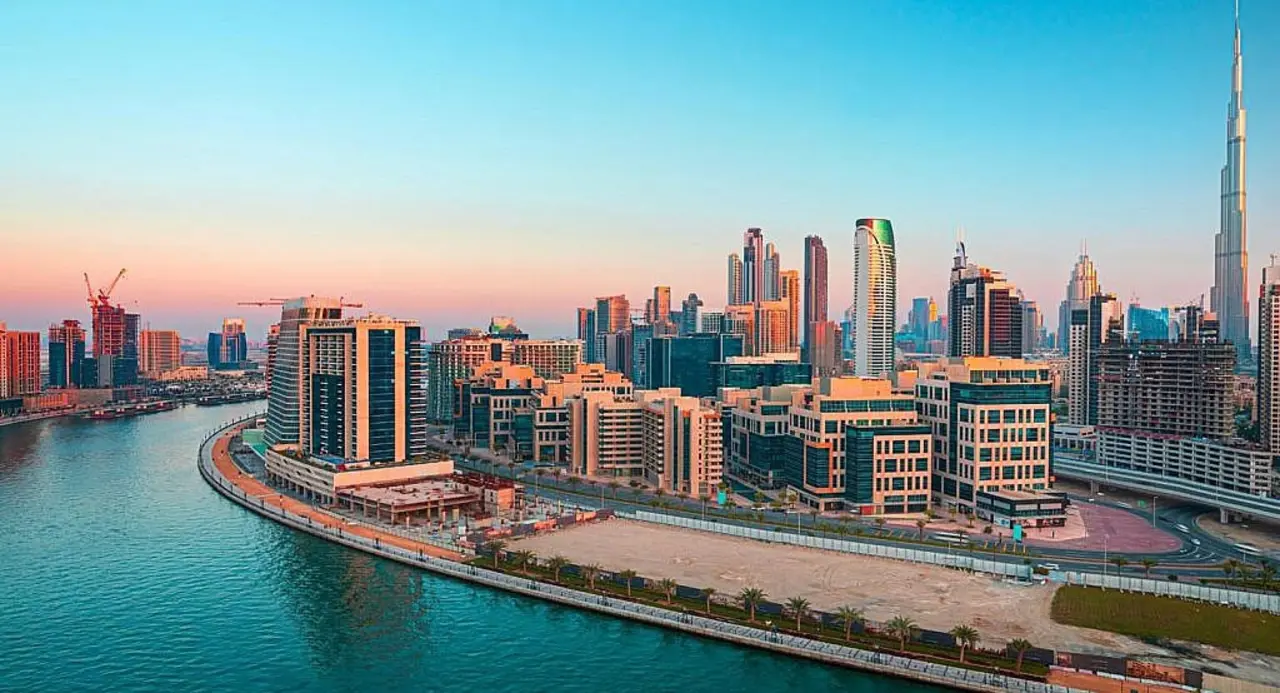
Business Bay is a prominent mixed-use district offering residential apartments, commercial properties, and lifestyle amenities. Its proximity to Downtown Dubai and established business centres attracts working professionals and corporate tenants.
Investors considering apartments in Business Bay can explore properties suited to urban living, with access to restaurants, transport connections, and commercial facilities.
2. Dubai Marina
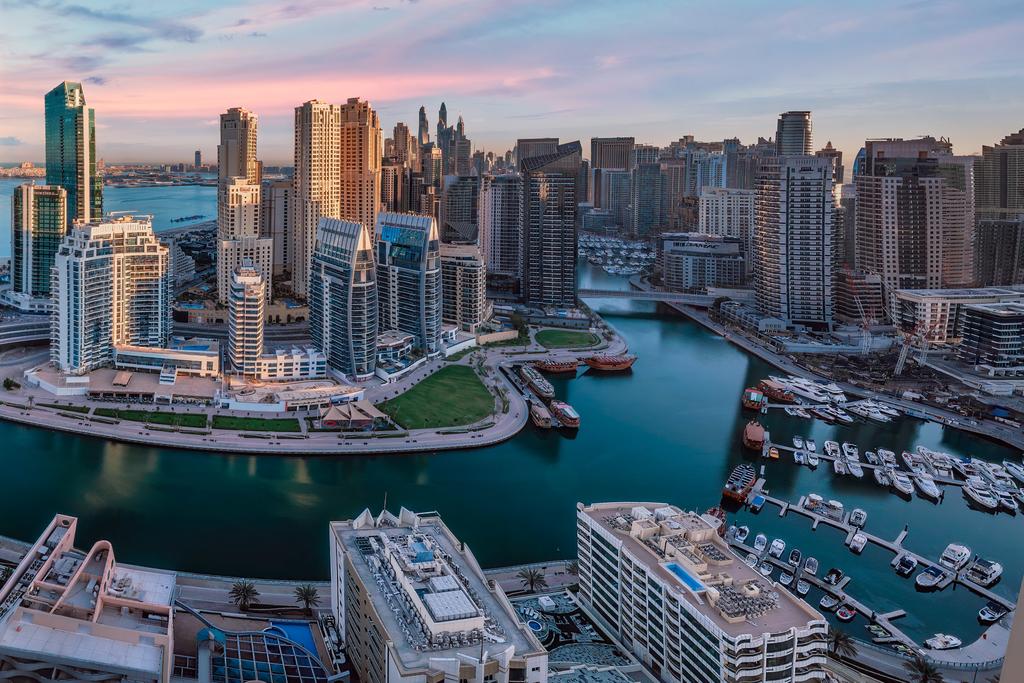
Dubai Marina remains a recognised waterfront residential destination known for its high-rise apartments, marina views, and vibrant lifestyle.
Its combination of leisure attractions, retail destinations, and transport connectivity makes it appealing to residents who prefer an established waterfront community.
3. Jumeirah Village Circle
Jumeirah Village Circle, commonly known as JVC, offers a variety of residential apartments and townhouses.
The community attracts tenants seeking practical layouts, neighbourhood amenities, and access to major road networks.
Investors exploring rental properties in Dubai often evaluate JVC because of its extensive residential inventory and broad tenant market.
4. Dubai Hills Estate
Dubai Hills Estate is a master-planned residential community offering apartments, townhouses, and villas.
Its landscaped spaces, educational institutions, retail facilities, and recreational amenities appeal to families and professionals.
The community can be considered by investors targeting longer-term residential tenancies.
5. Dubai South
Dubai South is an evolving residential and business district associated with logistics, aviation, and infrastructure development.
Its location near Al Maktoum International Airport and Expo City Dubai creates a distinct investment proposition.
However, investors should carefully assess project completion schedules, infrastructure delivery, and future residential supply before purchasing.
Types of Investment Properties Available in Dubai
Dubai's property market provides multiple ownership opportunities suitable for different investment objectives.
Residential Apartments
Apartments are among the most widely considered options for property investment in Dubai.
Studio, one-bedroom, two-bedroom, and larger apartments attract different tenant categories depending on the community.
Investors often evaluate apartments because they may offer:
- Broad rental demand across residential districts
- Professional property management options
- Different furnishing and leasing strategies
- Opportunities for portfolio diversification
- Access to established community facilities
Luxury Villas and Townhouses
Villas and townhouses appeal to investors seeking family-oriented properties with additional living space, privacy, and outdoor facilities.
Communities such as Dubai Hills Estate, Arabian Ranches, and DAMAC Hills offer established residential environments suited to family accommodation.
Property specifications, community maintenance, and proximity to schools can influence tenant demand.
Off-Plan Properties
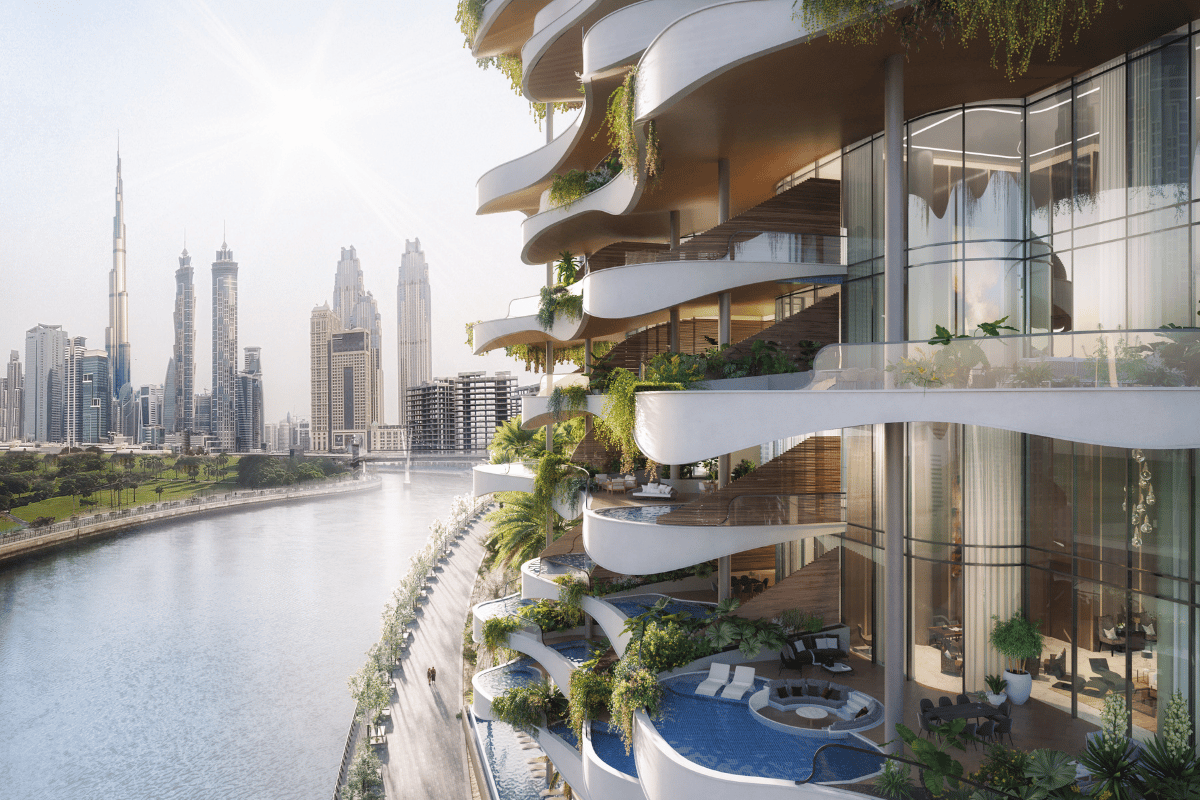
Off-Plan Investment Properties in Dubai refer to properties purchased before construction is completed.
These developments allow buyers to select units in newly planned residential projects and communities.
When evaluating off-plan opportunities, investors should review the developer's track record, construction progress, project registration, contractual commitments, and expected handover schedule.
Ready-to-Move Properties
Ready properties are completed residential units that may be available for immediate occupancy or leasing.
They allow investors to inspect the property, evaluate its condition, and compare actual rental transactions before making purchasing decisions.
For buyers prioritising near-term rental income, completed properties may offer advantages over developments still under construction.
Understanding Rental Income and Capital Appreciation
Investors typically purchase real estate for rental income, capital appreciation, or a combination of both.
Rental Income Potential
Rental income depends on location, property type, building quality, tenant demand, and market conditions.
Properties near employment centres, transport links, schools, and lifestyle destinations may attract a broader tenant base.
Investors should distinguish between gross rental yield and net rental yield. Net returns account for expenses such as service charges, maintenance, vacancy periods, and property management.
Long-Term Capital Appreciation
Capital appreciation occurs when a property's market value increases over time.
Potential influencing factors include infrastructure expansion, community maturity, demand growth, and improvements in surrounding facilities.
However, property values can also decline. Investors should avoid assuming that every emerging neighbourhood or new development will deliver capital growth.
Off-Plan vs Ready Properties: Which Is Better for Investment?
Choosing between off-plan and ready properties depends on the investor's time horizon and risk tolerance.
Off-plan developments may appeal to buyers looking for newly designed residences, modern facilities, and longer investment timelines.
Ready properties generally provide greater visibility into existing community conditions, property quality, and achievable rental income.
Buyers should compare construction-related risks, resale flexibility, expected rental commencement, and ownership obligations before selecting either option.
Neither category is automatically superior. The most suitable investment depends on individual objectives and the characteristics of the property.
Important Factors to Consider Before Buying Investment Property in Dubai
Successful real estate investment requires more than selecting an attractive building or popular location.
Property Location and Connectivity
Review access to business districts, metro stations, highways, schools, hospitals, and shopping destinations.
Developer Reputation
For newly developed properties, investigate the developer's history of completed projects, construction quality, and delivery performance.
Rental Market Performance
Analyse comparable rental transactions, vacancy levels, tenant profiles, and competing residential supply.
Maintenance and Service Charges
Building operating costs and maintenance obligations can influence net rental performance.
Legal Documentation
Confirm ownership eligibility, title information, project registration, and relevant approvals through the appropriate authorities.
Investment Time Horizon
Determine whether the intended ownership period supports the investment strategy, taking into account potential market fluctuations and resale conditions.
A structured evaluation process helps investors compare opportunities on consistent terms.
Can Foreign Investors Buy Properties in Dubai?
Yes. Foreign nationals can purchase property in designated freehold areas of Dubai, subject to applicable legal requirements.
Dubai's real estate registration framework provides formal procedures for recording ownership through the Dubai Land Department.
International investors should verify the ownership status of a particular development and understand the documentation required for registration.
Engaging qualified property professionals and obtaining independent legal advice can help buyers navigate the transaction process.
Dubai Real Estate Investment Outlook for 2026
Dubai's property market continues to offer a diverse range of investment opportunities, although market activity varies across locations and property segments.
Recent transaction data indicates that off-plan developments remain a major part of residential sales activity, while ready-property transactions are also important to market liquidity. Investors are increasingly required to distinguish between individual project fundamentals rather than relying solely on citywide market trends.
Established districts may appeal to investors prioritising existing rental demand, while developing locations can attract buyers with longer investment horizons.
In either case, disciplined property selection, realistic rental assessments, and careful evaluation of future supply remain central to informed investment decisions.
Conclusion
Exploring Investment Properties for Sale in Dubai provides access to a diverse real estate market with opportunities across established residential communities, luxury developments, and emerging investment destinations.
Whether considering apartments, townhouses, villas, or off-plan properties, selecting the right investment requires a clear understanding of market conditions, rental potential, and long-term ownership objectives.
FAQ
Frequently Asked Questions
1. Is Dubai a good location for real estate investment?
Dubai offers an established property market, international connectivity, freehold ownership opportunities, and diverse residential communities. Investment suitability depends on location, property performance, ownership costs, and individual financial objectives.
2. Which areas are suitable for property investment in Dubai?
Business Bay, Dubai Marina, JVC, Dubai Hills Estate, and Dubai South are among the locations investors can evaluate. The appropriate choice depends on rental objectives, preferred property type, and investment duration.
3. Can foreigners purchase investment properties in Dubai?
Yes. Foreign investors can acquire properties in designated freehold areas, subject to applicable regulations and ownership registration requirements.
4. Are off-plan properties suitable for long-term investment?
Off-plan properties can suit investors with longer holding periods who are comfortable with construction timelines and development-related risks. Developer credibility and contractual terms should be carefully examined.
5. What should investors check before purchasing property in Dubai?
Investors should assess location, rental demand, ownership documentation, developer reputation, maintenance obligations, future supply, and expected net returns before committing to a purchase.