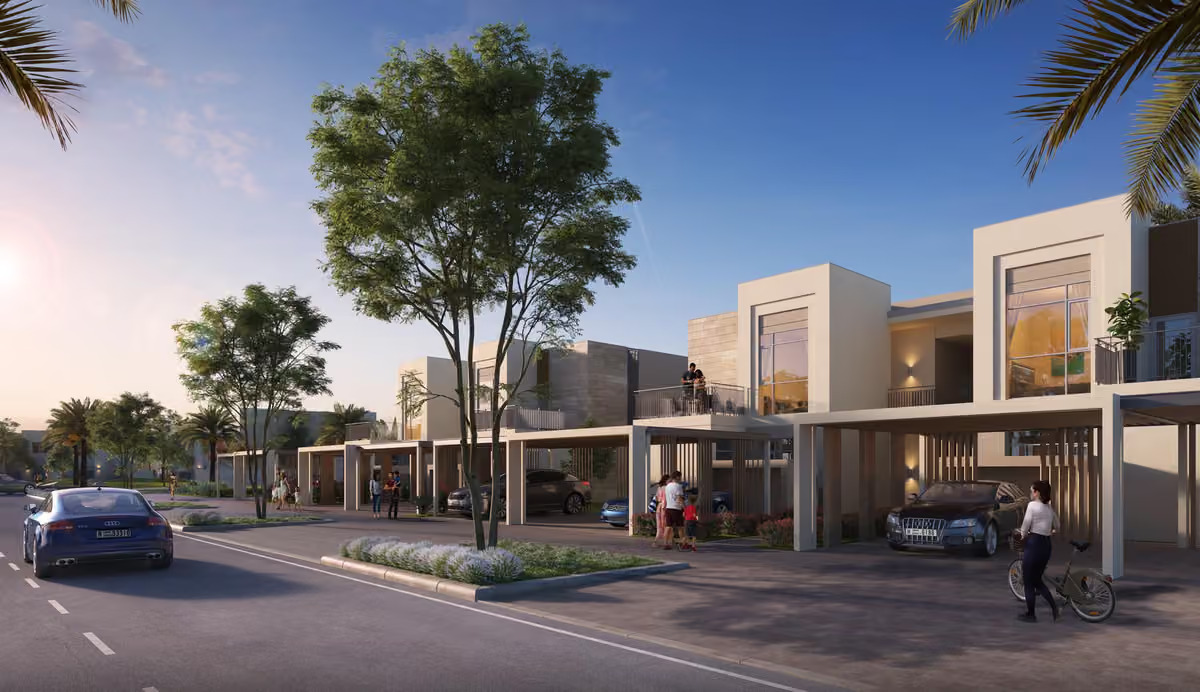
Dubai is a dynamic commercial destination supported by population growth, tourism, new communities and modern infrastructure. Buying a Retail Property for Sale in Dubai can provide rental income, business visibility and capital appreciation.
Retail property should not be selected only by price or appearance. Strong investments combine customer demand, access, visibility, permitted activity and practical business requirements. Buyers must also understand ownership, service charges, fit-out needs, tenancy conditions and future supply.
This guide explains how to evaluate Dubai retail property and make a future-focused investment decision.
Why Invest in Dubai Retail Property?
Dubai’s retail market serves residents, tourists and office workers. New communities require supermarkets, pharmacies, restaurants, cafés, salons, clinics and convenience stores, creating demand for well-positioned shops.
A Dubai retail property investment may offer rental income and capital growth. Performance depends on location, tenant demand, purchase price, annual costs and surrounding development.
Growing Residential Communities
New apartment towers, villa developments and mixed-use districts create demand for essential services. Retail shops that serve daily community needs may attract stable tenants and repeat customers.
Communities with high occupancy, limited retail supply and planned infrastructure can offer stronger potential than areas with excessive vacancies.
Tourism and Business Activity
Properties near hotels, attractions, offices and transport links may serve a wider customer base, supporting restaurants, cafés, fashion outlets and convenience stores.
Buyers should determine whether demand is consistent or shaped by tourism seasons and business hours.
Types of Retail Property Available
The term Commercial retail space Dubai covers several formats with different operating requirements, tenants and investment potential.
Street-Facing and Ground-Floor Shops
Street-facing shops offer direct access, signage and visibility. Ground-floor units in residential buildings may benefit from a built-in customer base.
These properties can suit supermarkets, pharmacies, salons, cafés, laundries, clinics and everyday service businesses.
Mall and Community Retail Units
Mall units benefit from organised footfall, security and parking. Community spaces serve nearby residents and can provide regular demand.
Investors should review operating hours, service charges, tenant restrictions, fit-out rules and management policies.
Showrooms and Large Retail Spaces
Showrooms require wide frontage, high ceilings, storage and vehicle access. They may suit furniture, electronics, automotive and luxury brands.
Loading areas, delivery routes, parking and signage rights are especially important for larger units.
Important Property Features to Check
When comparing Shops for sale in Dubai, buyers should look beyond size and price. Physical and operational features directly influence leasing potential.
- Frontage and visibility
Wide glass frontage improves product display and brand exposure. Corner units may provide visibility from multiple directions and stronger signage opportunities. - Parking and accessibility
Convenient parking encourages customer visits. Step-free access, nearby public transport and easy entry are important for clinics, restaurants and family-oriented businesses. - Utilities and power capacity
Restaurants, cafés, salons and medical businesses may need additional electrical load, water, drainage, gas and ventilation. Confirm these provisions before purchasing. - Loading and storage
Delivery access and back-of-house storage help retailers manage stock efficiently. Poor service access may create operational problems after leasing. - Signage permission
External branding, illuminated signs and building directory placement can improve customer discovery. Buyers should confirm all restrictions with management.
Location, Footfall and Catchment
A prime community name does not guarantee retail success. Investors should evaluate the exact unit position, surrounding population, customer movement and competing businesses.
Residential and Office Catchment
A large occupied residential population can create demand for groceries, healthcare, food and personal services. Office districts may support cafés, restaurants and convenience shops during weekdays.
Buyers should review completed buildings, occupancy rates, future handovers and the number of competing units nearby.
Pedestrian and Vehicle Traffic
Visit the property during weekday mornings, evenings and weekends. This helps verify whether advertised high footfall reflects real customer movement.
Main-road visibility is valuable, but customers must also be able to enter, park and leave conveniently.
Transport and Nearby Amenities
Retail units near metro stations, bus routes, schools, hotels, hospitals and entertainment destinations may attract a broader audience.
Future infrastructure can improve demand, but investors should rely on confirmed plans rather than speculative promises.
Popular Areas for Retail Property
Dubai offers opportunities across established business districts and developing residential communities.
Business Bay and Jumeirah Lake Towers
Business Bay combines offices, homes and hotels, while Jumeirah Lake Towers offers residential towers, workplaces and metro access. Both areas support varied retail and service businesses.
Jumeirah Village Circle and Arjan
Jumeirah Village Circle and Arjan continue to expand as residential destinations. Community-focused retail units may benefit from growing populations and demand for daily services.
Dubai Marina and Dubai Hills Estate
Dubai Marina offers waterfront tourism and a large residential population. Dubai Hills Estate provides modern community planning, retail destinations and long-term residential growth.
Emerging Communities
Dubai South, Meydan, Al Furjan and Dubai Silicon Oasis may offer future opportunities. Investors should assess construction progress, occupancy, infrastructure and planned retail supply.
Freehold Ownership and Legal Checks
Freehold retail units Dubai may allow eligible buyers to own commercial property in designated areas. Freehold ownership can provide the right to lease, sell or occupy the property.
Before purchasing, buyers should verify the title deed, registered unit size, seller identity, ownership status and outstanding liabilities. Off-plan buyers should review project registration, escrow arrangements, payment schedules and handover commitments.
The property must also support the intended commercial activity. A standard retail unit may not automatically be approved for a restaurant, clinic, salon or other specialised use.
Ready, Off-Plan, Vacant or Tenanted
Ready Retail Property
A completed unit can be inspected before purchase. Buyers can evaluate the real frontage, access, parking, surroundings and building occupancy.
Ready property may also offer faster leasing or business setup.
Off-Plan Retail Property
Off-plan units may provide staged payment plans and access to new developments. Risks include delays, uncertain footfall and future retail oversupply.
Developer history, construction progress and community planning should be reviewed carefully.
Vacant Retail Property
A vacant shop provides flexibility to choose a tenant or use the unit directly. However, investors must budget for marketing, fit-out and vacancy periods.
Tenanted Retail Property
A tenanted unit may generate income from the transfer date. Buyers should review annual rent, lease expiry, payment history, renewal rights, escalation clauses and Ejari registration.
Shell-and-Core Versus Fully Fitted
Shell-and-core units offer design flexibility but require additional spending, approvals and time before occupation. Investors should obtain realistic fit-out estimates before calculating returns.
Fully fitted shops may reduce setup time, but the existing layout and equipment must suit the future tenant. Outdated or highly specialised interiors may require expensive modifications.
Calculating Retail Investment Returns
A High ROI commercial property Dubai opportunity should be evaluated using realistic net income rather than promotional yield figures.
- Gross rental yield
Divide annual rent by the purchase price and multiply by 100. This is useful for comparison but excludes ownership costs. - Net rental yield
Deduct service charges, maintenance, management fees, insurance and expected vacancy. Net yield provides a more accurate performance measure. - Total acquisition cost
Include registration expenses, professional fees, financing costs, applicable taxes and fit-out requirements. - Tenant and vacancy risk
A stable tenant at sustainable rent can be more valuable than an unusually high rent that may not continue.
Service Charges and Building Management
Service charges can significantly reduce net income. They may cover security, cleaning, common-area maintenance, landscaping, building systems and management.
Buyers should request recent statements, confirm outstanding amounts and compare charges with similar properties. They should also assess parking control, cleanliness, maintenance quality, delivery procedures and operating restrictions.
Due Diligence Before Buying
Legal due diligence should verify ownership, contracts, registered area, tenancy documents and unpaid liabilities. Technical inspection should review power, air conditioning, drainage, water, ventilation and fire safety.
Commercial due diligence should compare sale prices, achievable rents, vacancy levels and competing supply. Investors should understand which businesses the community genuinely needs.
Independent valuation, legal advice and commercial property expertise can reduce risk, especially for high-value or specialised retail units.
The Future of Dubai Retail Property
Dubai retail is becoming more connected, data-driven and flexible. Smart buildings, artificial intelligence, digital payments and customer analytics will influence how retail properties operate.
Future-ready shops may include smart energy management, automated access, digital wayfinding and integrated delivery areas. Omnichannel businesses will also require click-and-collect zones, storage and last-mile logistics access.
Walkable mixed-use communities that combine homes, offices, leisure and transport may create stronger everyday retail ecosystems. Flexible layouts will help owners adapt to changing tenant demand.
Conclusion
Buying a Retail Property for Sale in Dubai can provide attractive commercial potential when the investment is supported by research and due diligence.
The strongest properties combine genuine customer demand, clear ownership, suitable utilities, visible frontage, manageable service charges and sustainable rental income.
By evaluating location, footfall, permitted use, tenant quality and net yield, investors can select retail assets that are practical today and positioned for Dubai’s future growth.