Dubai’s waterfront property market is entering a new phase, and Dubai Islands is becoming one of its most closely watched destinations. Investors searching for ROI in Dubai Island are evaluating rental income, capital appreciation, payment flexibility, developer quality and future infrastructure.
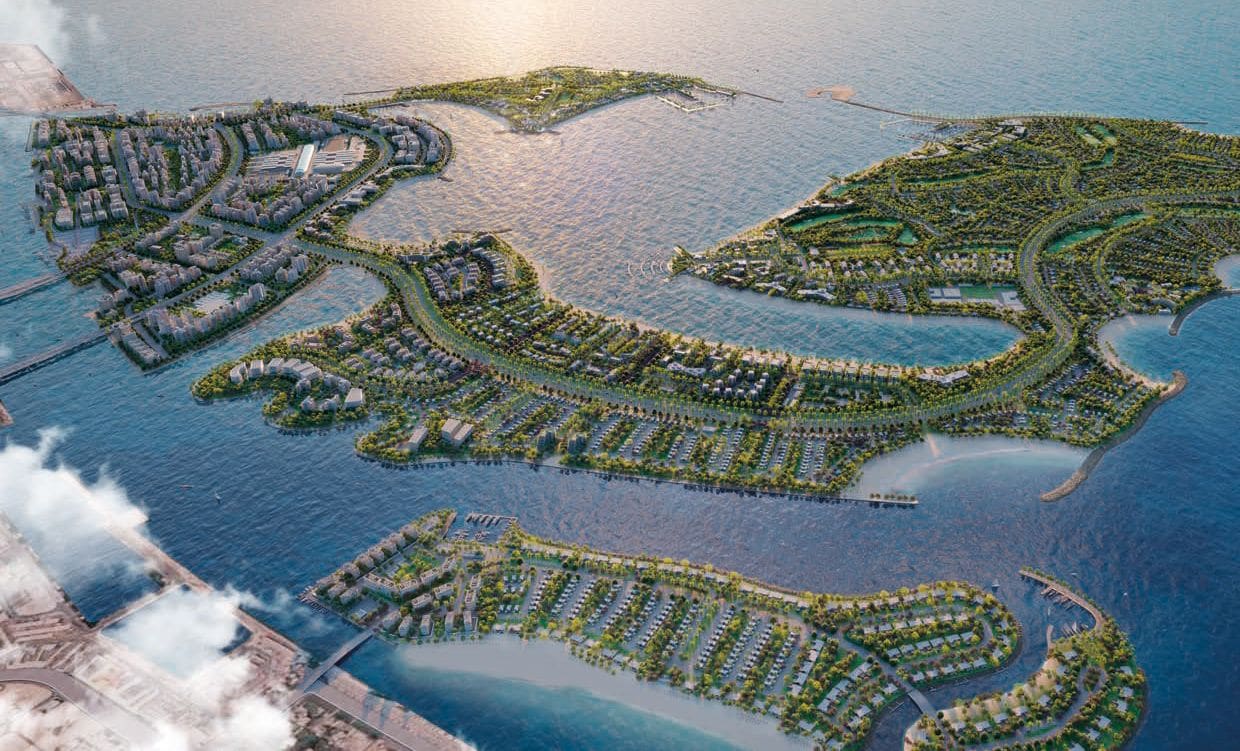
The official destination name is Dubai Islands. Developed as five interconnected islands, the community is designed around waterfront residences, beaches and resorts. Nakheel states that the master plan provides more than 60 kilometres of waterfront and over 20 kilometres of beaches.
What Does ROI in Dubai Island Mean?
Return on investment measures how effectively a property generates profit compared with the total amount invested. In real estate, the calculation should include more than annual rent. A reliable assessment considers the purchase price, registration expenses, service charges, furnishing, maintenance, property management, financing costs and vacancy periods.
A basic formula is:
ROI = Net annual return ÷ Total property investment × 100
Gross rental yield only compares yearly rent with the property price. Net ROI provides a more realistic result because it deducts ongoing expenses. Two apartments may advertise similar rent, but the property with lower service charges, better occupancy and fewer maintenance requirements may deliver the stronger actual return.
Investors should treat Dubai Islands property ROI as a combination of recurring rental income and potential value appreciation rather than relying on one promotional percentage.
Why Dubai Islands Has Long-Term Investment Potential
Dubai Islands has several characteristics that can support investment performance. Waterfront land is naturally limited, while demand for beach access, open views and resort-style amenities can remain strong among residents, tourists and international purchasers. Properties with private beach access, attractive promenades and well-managed leisure facilities may achieve stronger tenant appeal than comparable inland properties.
The destination is aligned with the Dubai 2040 Urban Master Plan. The wider plan prioritises green spaces, public beaches, connected communities, walkability and sustainable mobility. This direction supports lifestyle-focused districts where people can live and access recreation.
Future potential should not be treated as guaranteed profit. Investors must examine the development stage, surrounding construction, project delivery timeline and realistic demand for each unit type.
Key Drivers of Dubai Islands Investment Returns
Rental demand
Rental demand is a central driver of ROI in Dubai Island. Waterfront apartments can attract professionals, couples and families. Demand will vary according to completion status, beach access, views, furnishing, amenities and connectivity.
A compact apartment may generate dependable long-term income, while a larger or highly furnished unit may suit the holiday market. The correct strategy depends on purchase cost and operating expenses rather than property size alone.
Capital appreciation
Capital appreciation refers to the increase in a property’s market value over time. In an emerging destination, appreciation may be influenced by infrastructure completion, new hotels, retail openings, landscaped areas, road improvements and community maturity.
Early buyers may benefit from lower launch-stage pricing, but they also accept construction and delivery risk. Investors purchasing later may pay a premium, although they gain greater clarity about the finished environment and actual rental demand.
Waterfront scarcity
Waterfront properties usually carry a location premium because sea-facing land cannot be expanded indefinitely. Within Dubai Islands, units with unobstructed views, direct beach access, efficient layouts and high-quality public spaces may preserve their desirability. Scarcity alone is not enough; a poorly designed unit with high annual fees can still underperform.
Tourism and hospitality growth
Hotels, resorts, restaurants, marinas and entertainment destinations can increase visitor activity and support short-term rental demand. A successful hospitality ecosystem may create opportunities for holiday-home owners. Yet seasonal occupancy, cleaning expenses, platform charges and management fees must be included before estimating net returns.
Rental Yield Dubai Islands Investors Should Analyse
Rental yield Dubai Islands calculations should begin with evidence rather than optimistic projections. Investors should compare asking rents, registered rental information, similar completed buildings and realistic occupancy assumptions. Dubai Land Department provides rental and service-charge tools that can help owners review market information and approved recurring fees.
Before purchasing, calculate:
- Expected annual rent under a long-term lease
- Expected occupancy and average nightly rate for short-term letting
- Annual service charges and building-management expenses
- Furnishing, maintenance and replacement costs
- Property-management and marketing fees
- Mortgage interest, insurance and vacancy allowance
A project offering the highest advertised rent may not deliver the highest net income. Efficiency matters.
Off-Plan Versus Ready Properties
Off-plan properties can appeal to investors seeking flexible payment plans and potential appreciation before handover. Buying during an early launch may provide competitive prices, preferred views and a wider choice of layouts. Dubai’s escrow framework regulates payments for off-plan projects and protects purchaser funds, but buyers must still verify project registration, construction progress and the developer’s delivery record.
Ready properties offer immediate inspection and the possibility of faster rental income. Buyers can examine the actual view, building quality, service charges, resident experience and achievable rent. The entry price may be higher, but uncertainty is generally lower.
The better option depends on the investor’s timeline. An appreciation-focused buyer may prefer a carefully selected off-plan project, whereas an income-focused investor may prioritise a completed property with demonstrated tenant demand.
Choosing High ROI Properties Dubai Islands
High ROI properties Dubai Islands are not defined by luxury finishes alone. Strong candidates balance purchase price, location, layout efficiency, operating cost and tenant appeal.
Investors should prioritise:
- Reputable developers with transparent delivery histories
- Functional layouts with minimal wasted space
- Beach, marina or open-water views that justify a premium
- Sensible service charges relative to amenities
- Payment plans aligned with available cash flow
- Handover dates that match the investment strategy
- Buildings suitable for resale and rental demand
Studios and one-bedroom apartments may provide accessible entry points and broader tenant pools. Two- and three-bedroom properties may appeal to families and longer-staying residents. Penthouses, branded residences and villas can achieve substantial absolute returns, but they require larger capital commitments and may have a narrower resale audience.
Short-Term and Long-Term Rental Strategies
A long-term lease can provide predictable annual income, lower guest turnover and simpler management. It may suit investors who prefer stability and reduced operational involvement. Success depends on tenant demand, lease renewal, maintenance quality and competitive rent.
Short-term rentals may generate higher gross revenue in strong tourism periods. Waterfront access, quality furnishing, professional photography, responsive guest management and hotel-style amenities can improve performance. Nevertheless, investors must account for cleaning, utilities, booking commissions, licensing, furnishing depreciation and vacant nights.
The best approach is to model conservative, expected and optimistic scenarios. A property should remain financially manageable even when occupancy or rent falls below the initial forecast.
Best Investment Projects Dubai Islands: Selection Criteria
Identifying the best investment projects Dubai Islands requires project-level comparison rather than selecting a property solely because it is near the water. Investors should compare the developer, construction status, payment plan, handover schedule, unit mix, beach distance, view protection, amenity quality and estimated service charges.
The surrounding master plan matters as much as the building. A residence near completed roads, promenades, hospitality venues and community facilities may achieve demand sooner than an isolated project dependent on future development. Investors should also investigate whether nearby plots could obstruct views or introduce competing supply.
A professional comparison should include price per square foot, expected annual rent, total acquisition cost, net-yield estimate, projected holding period and likely resale audience.
Risks That Can Reduce ROI
Every investment includes uncertainty. Dubai Islands investors should evaluate construction delays, changing market conditions, high service charges, rental vacancies, oversupply within a unit category and lower-than-expected resale liquidity.
Financing can also affect returns. A mortgage may increase purchasing capacity, but interest and bank charges reduce net cash flow. Investors using instalment plans must ensure future payments remain affordable if market conditions change.
Another risk is confusing premium branding with financial performance. Extensive amenities can attract tenants, yet they can also increase annual costs. Investors should ask whether each feature genuinely supports rent and resale value.
A Futuristic Outlook for Dubai Islands
The future of waterfront investment will increasingly be shaped by smart-building systems, energy efficiency, digital property management, sustainable landscapes and data-led decisions. Buyers may place greater value on buildings that reduce energy consumption, simplify maintenance and offer seamless resident services.
Dubai Islands is positioned as a future-focused waterfront destination connected to Dubai’s goals for sustainable urban growth and quality of life. As infrastructure, hospitality and public spaces develop, the community may become more attractive to residents and visitors. Investors who combine early-market awareness with disciplined financial analysis may be better placed to benefit.
Conclusion
ROI in Dubai Island should be assessed through a complete investment framework. Rental income, appreciation potential, waterfront scarcity, developer credibility and future community growth are important, but so are service charges, vacancy, management expenses and project-delivery risk.
The most promising opportunity is not automatically the cheapest or most luxurious unit. It is the property purchased at a defensible price, supported by genuine demand and matched to a clear rental or resale strategy. By comparing net returns, property types, project quality and long-term development plans, investors can make informed decisions and pursue sustainable Dubai Islands investment returns.