The UAE has developed into one of the most attractive property markets for international buyers seeking long-term investment opportunities, rental income, lifestyle benefits and portfolio diversification. With modern infrastructure, globally connected cities, high-quality residential developments and regulations that allow foreign property ownership in designated areas, the country continues to attract buyers from across Europe, Asia, Africa and the wider Middle East.
For investors exploring UAE real estate investment for foreigners, understanding where foreigners can buy, what types of properties are available and how the purchasing process works is essential before making a decision.
Property ownership laws can differ between individual emirates. Dubai, Abu Dhabi and other markets each operate under their own regulatory frameworks, so international buyers should evaluate both the property and the applicable ownership rules before proceeding. The UAE Government confirms that regulations concerning property ownership by expatriates differ from one emirate to another.
This guide explains the main factors foreign investors should consider when entering the UAE property market.
Why UAE Real Estate Attracts Foreign Investors
The UAE's appeal extends beyond its modern residential towers and luxury communities. The country has developed an investment environment supported by international connectivity, business-friendly policies, infrastructure development and a large expatriate population.
Dubai and Abu Dhabi, in particular, attract residents, professionals, entrepreneurs and investors from around the world. This international population supports demand across residential apartments, villas, townhouses and selected commercial properties.
Several factors strengthen the appeal of UAE property investment.
Modern Infrastructure
World-class airports, highways, public transport networks, business districts, schools, hospitals, retail destinations and lifestyle attractions contribute significantly to the appeal of UAE property.
Infrastructure expansion can also influence the long-term prospects of emerging residential communities, particularly when new transport connections, commercial districts or leisure destinations are being developed nearby.
Diverse Property Market
Foreign buyers can access a wide variety of real estate depending on the emirate and ownership regulations.
Available options may include:
- Apartments
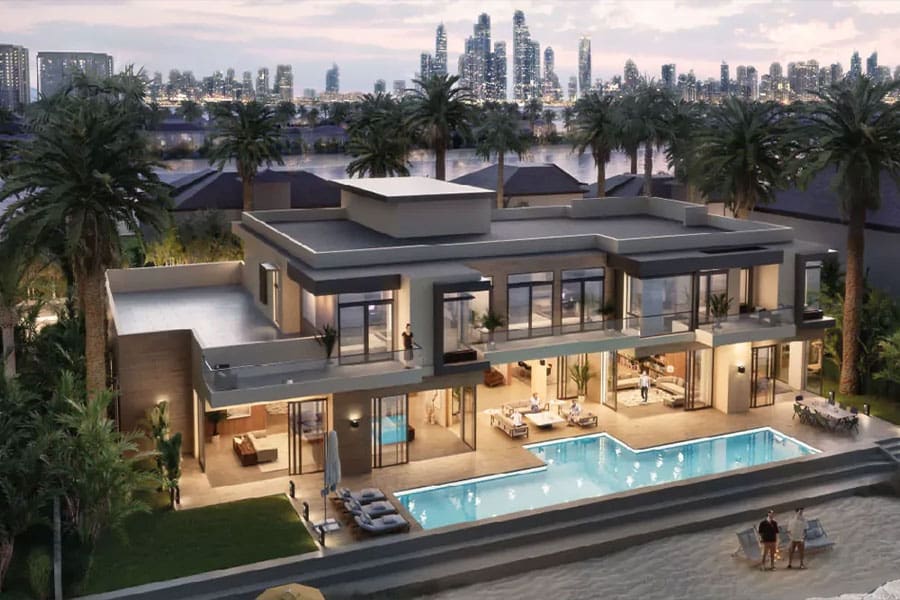
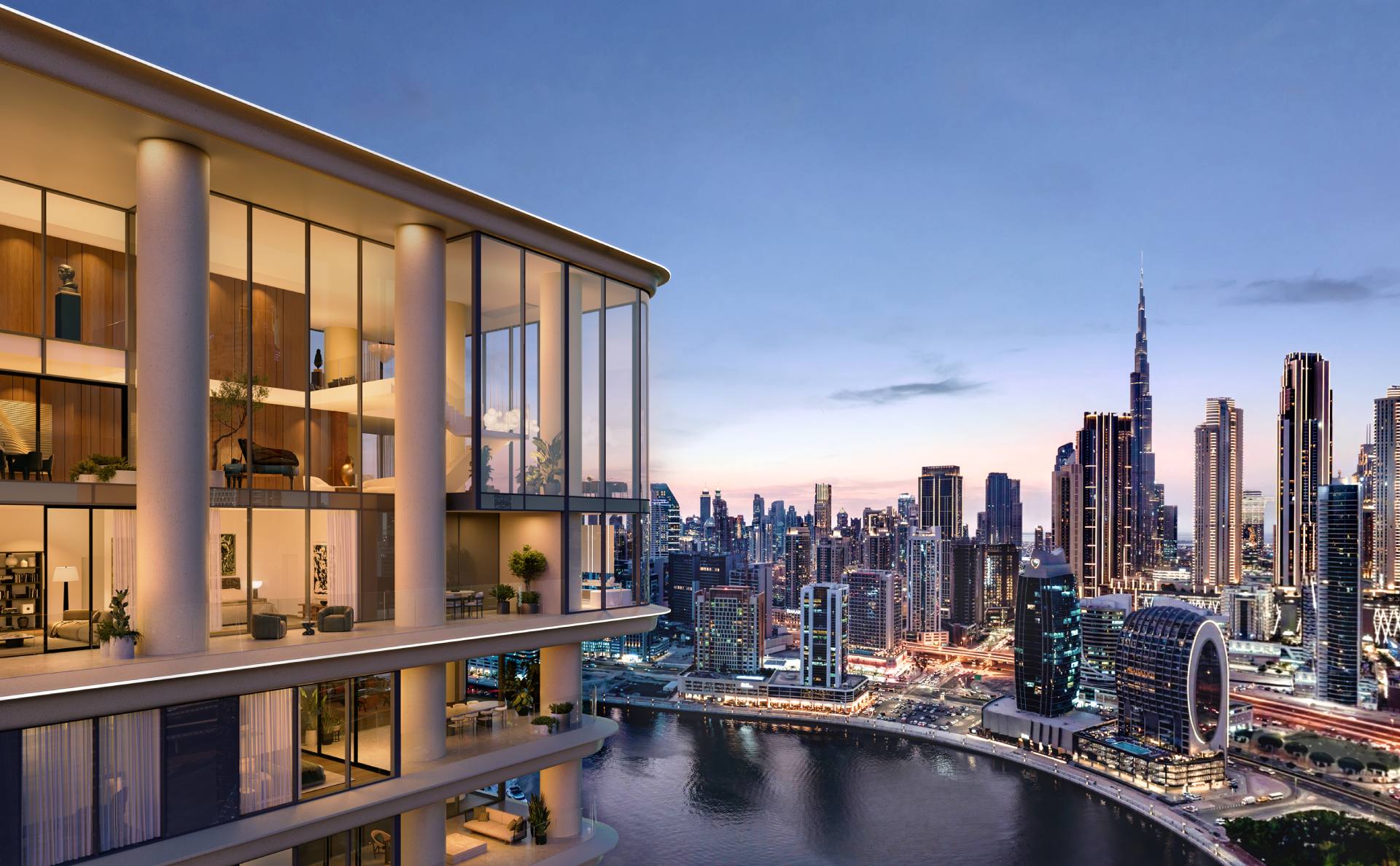
- Waterfront residences
- Villas
- Townhouses
- Branded residences
- Off-plan developments
- Ready properties
- Holiday-home investment properties
- Selected commercial properties
This diversity allows investors to choose assets based on their individual objectives rather than following a single investment model.
Can Foreigners Buy Property in the UAE?
Yes. Foreign nationals can purchase property in the UAE, but ownership rules depend on the emirate and the location of the property.
Foreign investors should therefore avoid assuming that ownership rules are identical across the country.
Foreign Property Ownership in Dubai
Dubai is one of the most established markets for international property ownership.
Foreign nationals may purchase freehold property within designated freehold areas. Dubai Land Department states that foreigners are entitled to own property in freehold areas.
Within these designated locations, non-UAE nationals may generally obtain freehold ownership without a time restriction. Certain usufruct and long-term lease rights of up to 99 years are also recognised under Dubai's property regulations.
Foreign ownership opportunities are available across numerous established and developing communities, giving overseas buyers access to residential, waterfront, lifestyle and investment-oriented areas.
Dubai Land Department also provides property-status information that indicates whether a property falls within a freehold location available to all nationalities.
Foreign Property Ownership in Abu Dhabi
Abu Dhabi also allows foreign property ownership within designated investment areas.
Following amendments to Abu Dhabi's property regulations, non-UAE nationals may own and acquire property rights within approved investment zones.
International buyers interested in Abu Dhabi should confirm that the specific project and location fall within an area where foreign ownership is permitted.
Ownership Rules in Other Emirates
Other emirates may operate different systems involving freehold ownership, usufruct rights or long-term property rights.
Because regulations vary, international buyers considering Sharjah, Ras Al Khaimah, Ajman or other emirates should verify the applicable rules for their nationality, project and property type before signing a purchase agreement.
Best Property Types for Foreign Investors in the UAE
Choosing the right property type is one of the most important aspects of successful UAE real estate investment for foreigners.
Different assets suit different investment strategies.
Apartments
Apartments remain one of the most accessible investment categories for international buyers.
They are widely available across central business districts, waterfront destinations, established residential communities and newly developing neighbourhoods.
Apartments can appeal to investors targeting professionals, couples, expatriate families and short- or long-term tenants depending on the location.
Villas and Townhouses
Villas and townhouses may appeal to investors seeking properties oriented towards families and longer-term residents.
Communities offering schools, landscaped spaces, retail facilities, parks and convenient road connections can generate particularly strong interest among family tenants and end users.
Waterfront Properties
Waterfront real estate is an important part of the UAE's premium property market.
Residences near beaches, marinas, canals or island developments may appeal to both international investors and lifestyle buyers looking for distinctive surroundings.
However, investors should consider more than the view alone. Accessibility, community planning, future supply and developer reputation should also be assessed.
Off-Plan Properties
Off-plan property refers to real estate purchased before construction is completed.
Foreign investors are often attracted to off-plan developments because they can enter newly launched communities and projects at earlier stages of development.
Before buying, investors should study the developer's track record, project registration, construction progress, expected completion timeline, community master plan and contractual terms.
Ready Properties
Ready properties allow investors to inspect the completed unit and surrounding community before purchasing.
They may also provide an opportunity to begin leasing the property relatively quickly after acquisition and registration.
For investors prioritising immediate rental potential, established ready communities can therefore be worth considering.
Popular UAE Locations for International Property Investors
Location selection should always be based on investment objectives.
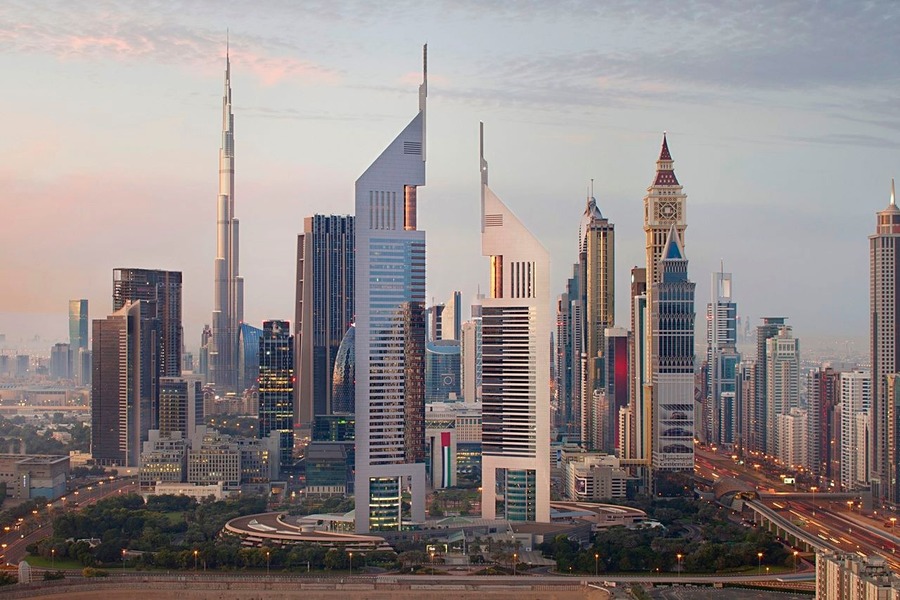
In Dubai, international buyers frequently evaluate established and emerging districts based on employment access, transport connections, lifestyle facilities, tenant demand and future infrastructure.
Examples include areas around Downtown Dubai, Dubai Marina, Business Bay, Dubai Creek Harbour, Dubai Hills Estate, Dubai South and various waterfront destinations.
Abu Dhabi provides investment opportunities in locations including Yas Island, Saadiyat Island, Al Reem Island, Al Raha Beach and other designated investment zones. The UAE Government identifies several Abu Dhabi investment areas where foreign ownership is permitted.
Instead of selecting a location based purely on popularity, buyers should examine the individual community's supply pipeline, property type, target tenant profile and long-term development plan.
Benefits of UAE Real Estate Investment for Foreigners
The UAE property market offers several characteristics that make it relevant to international investors.
Potential Rental Income
A large expatriate population creates rental demand across many UAE residential communities.
Properties located close to commercial districts, schools, transport infrastructure and leisure destinations may attract a broad range of tenants.
Actual rental performance, however, varies significantly by location, building quality, property size, service charges and market conditions.
Long-Term Capital Growth Potential
Property values may benefit from population growth, infrastructure investment, community development and increasing demand over time.
Areas undergoing significant transformation may offer longer-term opportunities, although investors should evaluate development timelines carefully rather than assuming that every emerging location will appreciate equally.
Portfolio Diversification
Foreign real estate can provide investors with exposure beyond their domestic property or financial markets.
For investors building internationally diversified portfolios, UAE real estate can serve as one component alongside other investment assets.
Strong Lifestyle Appeal
The UAE combines residential communities with beaches, restaurants, retail destinations, international schools, entertainment venues and business centres.
This lifestyle environment can support demand from both investors and residents looking to establish a long-term base in the country.
Step-by-Step Process for Foreigners Buying UAE Property
Although procedures vary between emirates and between ready and off-plan properties, the buying journey generally involves several key stages.
1. Define Your Investment Objective
Decide whether your main goal is rental income, long-term appreciation, personal residence, holiday use or portfolio diversification.
Your objective will influence the most suitable location and property type.
2. Choose the Emirate and Community
Compare different locations based on connectivity, planned infrastructure, community development, tenant demand and foreign ownership eligibility.
3. Verify Ownership Eligibility
Confirm that foreign nationals are permitted to own the specific property.
In Dubai, international buyers should verify that the property is located within an authorised freehold area.
4. Research the Developer or Seller
For off-plan properties, investigate the developer's project history and reputation.
For ready properties, verify ownership documents, property status and any relevant obligations attached to the unit.
5. Review the Purchase Agreement
Investors should carefully examine payment obligations, completion conditions, transfer procedures and contractual responsibilities before signing.
Independent professional advice may be appropriate for investors unfamiliar with UAE property regulations.
6. Complete Registration
Property ownership should be officially registered with the relevant authority.
In Dubai, real estate transactions involving ownership or transfer must be registered with Dubai Land Department to establish legal ownership rights.
Financing UAE Property as a Foreign Investor
Some international buyers use mortgage financing when purchasing UAE property.
Financing eligibility varies according to the bank, buyer's residency status, income, nationality, credit profile and selected property.
Non-resident investors may face different lending requirements from UAE residents.
Investors considering finance should therefore compare mortgage eligibility and lending conditions before reserving a property rather than assuming that financing will automatically be available.
Is UAE Property Suitable for International Investors?
The UAE provides a mature and increasingly international real estate environment with opportunities across residential, lifestyle and investment-focused communities.
Dubai offers extensive freehold ownership opportunities for foreign nationals, while Abu Dhabi permits foreign ownership within designated investment areas. Other emirates have their own regulations and ownership structures.
The strongest opportunities will depend on the investor's objectives, budget, desired holding period and risk tolerance.
Rather than simply searching for the most popular development, investors should focus on properties supported by sustainable demand, strong connectivity, reputable development and clear legal ownership structures.
Conclusion
UAE real estate investment for foreigners offers international buyers access to one of the Middle East's most dynamic property markets. From modern city apartments and waterfront residences to villas, townhouses and large master-planned communities, investors can explore options suited to a wide range of strategies.
However, successful investment requires careful research. Ownership regulations vary between emirates, and factors such as developer reputation, location quality, future supply, rental demand and legal registration should all form part of the decision-making process.
For international buyers evaluating opportunities across the UAE, Orange Spaces UAE can help identify suitable properties, compare communities and understand the buying journey from initial property selection through to ownership.