Dubai real estate has evolved into one of the most powerful and structured property ecosystems in the world, driven by strong regulation, global investor demand, and continuous infrastructure expansion. Positioned between Europe, Asia, and Africa, Dubai is no longer just a luxury destination—it is a high-performance real estate investment hub offering capital growth, rental income stability, and long-term wealth creation.
Today, the Dubai property market is shaped by a combination of government-backed transparency, freehold ownership opportunities, world-class developers, and data-driven investment strategies. Whether it is residential apartments, waterfront villas, or commercial assets, Dubai continues to attract investors seeking both lifestyle and financial returns.
This guide provides a complete, entity-rich understanding of Dubai real estate, structured around market dynamics, investment zones, developers, legal frameworks, and future growth drivers.
Dubai Real Estate Ecosystem Overview
The Dubai real estate ecosystem is governed and regulated by key authorities that ensure transparency, investor protection, and structured growth.
At the core of this ecosystem are:
- Dubai Land Department (DLD)
- Real Estate Regulatory Agency (RERA Dubai)
These institutions ensure that every transaction—whether off-plan or ready property—is legally secured through systems such as title deeds, escrow accounts, and digital registration platforms.
Key market attributes:
- Transparent ownership registration system
- Government-backed escrow protection for off-plan projects
- Strong investor visa linkage through property ownership
- Digitally managed transaction systems
- Stable currency environment (AED pegged to USD)
Major Property Types in Dubai Real Estate
Dubai real estate is structured across multiple asset classes, each serving different investment goals.
Residential Properties
Residential real estate dominates the market and includes apartments, villas, townhouses, and branded residences.
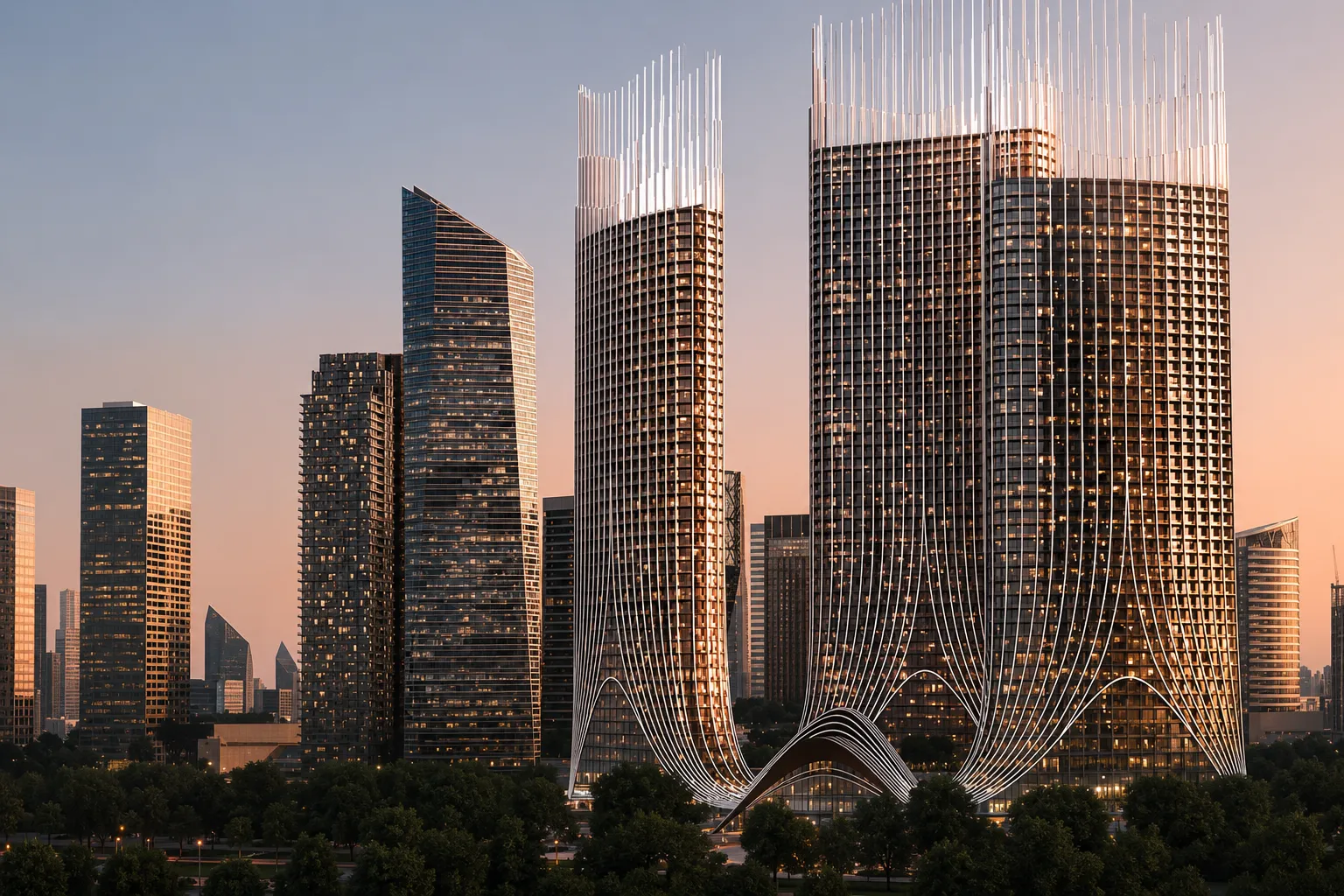
- Apartments in high-rise communities
- Waterfront villas in luxury zones
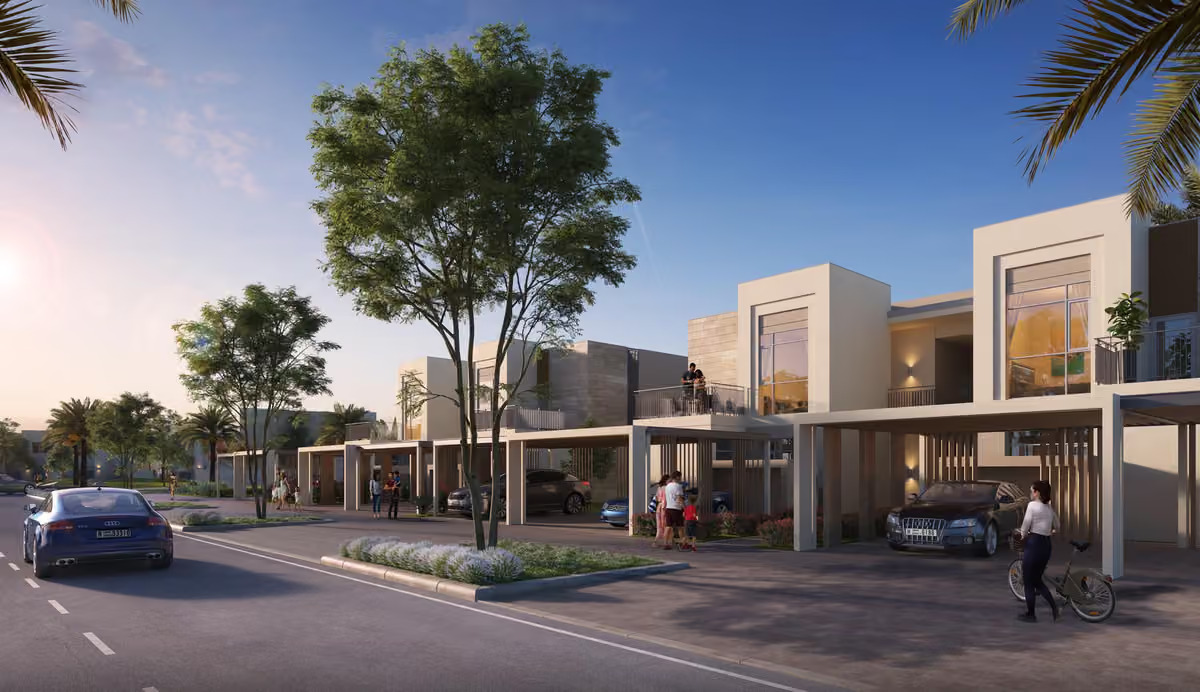
- Townhouses in gated communities
- Branded residences managed by global hospitality brands
Key attributes:
- Rental yield between 5%–10%
- High occupancy demand in prime zones
- Strong short-term rental potential
- Flexible ownership for foreign investors
Commercial Properties
Commercial real estate supports Dubai’s growing business ecosystem.
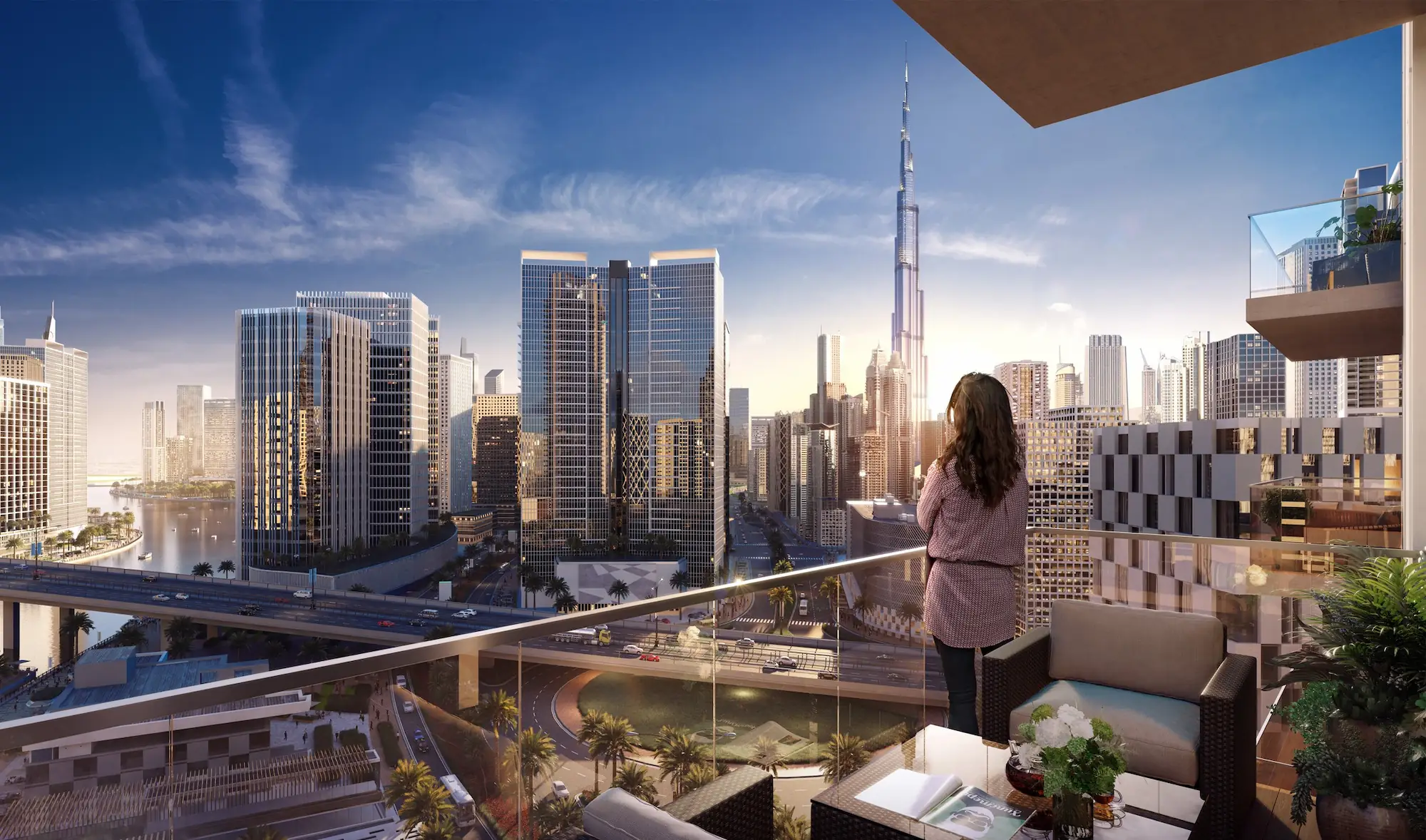
- Office spaces in Business Bay and DIFC
- Retail shops in malls and high streets
- Warehouses in logistics zones
- Industrial land in Dubai South
Key attributes:
- Long-term lease stability
- Business licensing integration
- High demand from multinational companies
- Strategic logistics advantage
Off-Plan Properties
Off-plan investments remain one of the most popular segments in Dubai real estate.
- Early-stage project investment
- Developer payment plans
- High capital appreciation potential
Attributes:
- Lower entry price compared to ready properties
- Flexible installment plans
- Strong resale potential after launch
- Escrow-protected investment structure
Key Locations Driving Dubai Real Estate Growth
Location is one of the strongest ranking and investment factors in Dubai real estate.
Premium Luxury Zones
These areas define high-end living and global investor appeal:
- Palm Jumeirah
- Downtown Dubai
- Dubai Marina
Attributes:
- High rental income from tourism
- Strong capital appreciation
- Global brand recognition
- Premium lifestyle amenities
Growth Investment Zones
These areas offer strong ROI potential for mid-range investors:
- Dubai South
- Jumeirah Village Circle
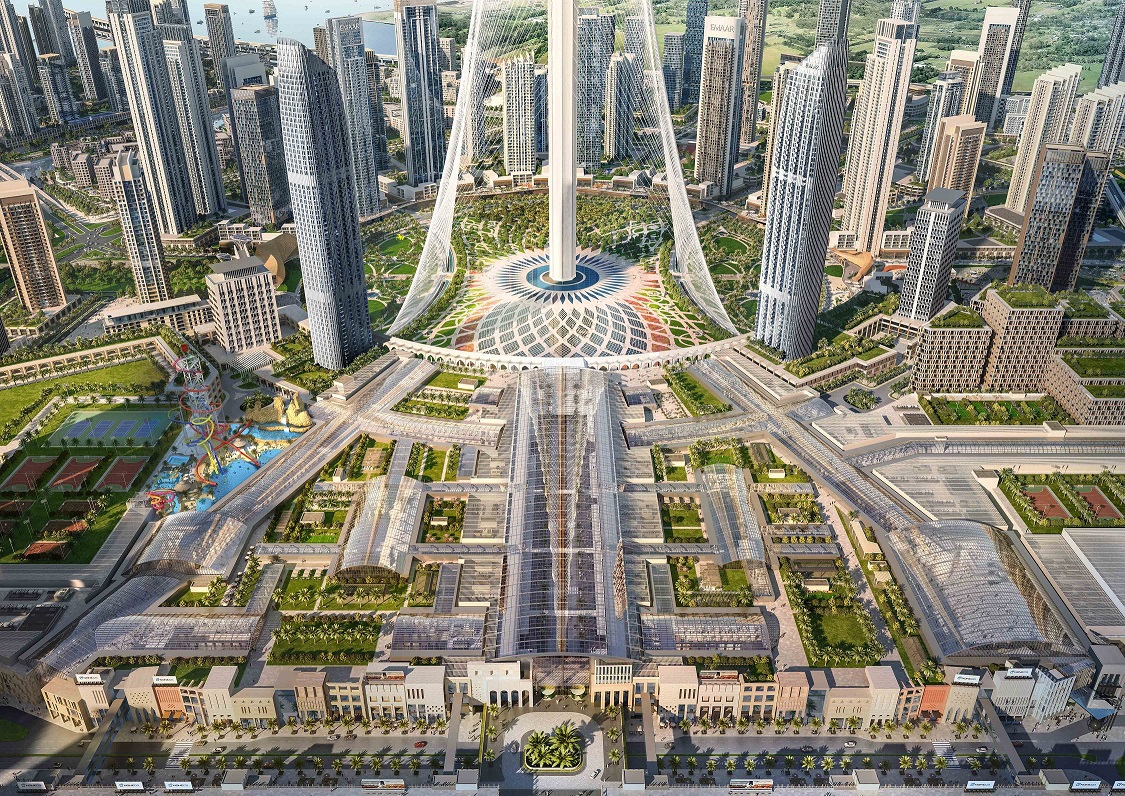
- Dubai Creek Harbour
Attributes:
- Lower entry pricing
- Infrastructure-led appreciation
- Strong rental demand from professionals
- Long-term capital growth potential
Leading Developers in Dubai Real Estate
Developers are a core trust signal in the Dubai property market.
- Emaar Properties
- DAMAC Properties
- Nakheel
- Sobha Realty
- Meraas
Attributes:
- Project delivery record
- Construction quality standards
- Payment plan flexibility
- Global investor trust
- Community development scale
Dubai Real Estate Investment Opportunities
Dubai continues to rank as one of the most attractive global investment destinations due to its structured returns and economic stability.
Key opportunities include:
- High ROI residential apartments
- Luxury waterfront villas
- Off-plan development projects
- Short-term rental properties (Airbnb model)
- Commercial office investments
Investment Attributes:
- Rental yields typically higher than global average
- Strong capital appreciation in emerging zones
- Tax-free rental income environment
- High liquidity resale market
- Investor visa eligibility through property ownership
This makes Dubai property investment opportunities one of the strongest global wealth-building strategies today.
Dubai Rental Property Market
The Dubai rental property market is one of the most active segments in the region, driven by expat population growth and tourism.
Key Drivers:
- High expatriate workforce population
- Short-term tourism demand
- Business migration to Dubai
- Flexible rental laws
- Continuous supply of new residential units
Market Attributes:
- Annual rental contracts (long-term leasing)
- Holiday homes and short-term rentals
- Strong occupancy in Marina, Downtown, and JVC
- Rental yield competitiveness compared to global cities
This makes Dubai rental property market highly attractive for passive income investors.
Legal and Ownership Framework
Dubai real estate operates under a structured legal system ensuring investor protection:
- Title Deed registration via DLD
- Escrow account protection for off-plan buyers
- Ejari tenancy registration system
- Oqood certification for off-plan ownership
- RERA-regulated brokerage system
Attributes:
- Secure ownership verification
- Transparent transaction lifecycle
- Reduced investment risk
- Foreign ownership in freehold zones
Infrastructure Driving Future Growth
Dubai’s real estate growth is strongly linked to infrastructure expansion:
- Dubai Metro expansion network
- Al Maktoum International Airport development
- Expo City Dubai transformation
- New waterfront mega-projects
- Smart city and digital governance systems
Attributes:
- Increased property value corridors
- Improved connectivity
- Rising population inflow
- Tourism-driven demand boost
Future Outlook of Dubai Real Estate
Dubai real estate is transitioning into a data-driven, globally integrated investment market.
Future trends include:
- Smart homes and AI-integrated communities
- Sustainable green developments
- Branded luxury residences expansion
- Increased institutional investor participation
- Tokenized and digital property ownership models
This evolution positions Dubai as a long-term global leader in real estate innovation.
Conclusion
Dubai real estate is no longer just a regional property market—it is a global investment ecosystem built on regulation, innovation, and high-return opportunities. With strong developers, world-class infrastructure, and investor-friendly policies, Dubai continues to outperform many global cities in both rental yield and capital appreciation.
Whether focusing on Dubai off plan properties, luxury real estate Dubai, or long-term rental assets, the market offers structured pathways for both new and experienced investors.
For those seeking diversification, wealth growth, and stability, Dubai remains one of the most strategic real estate destinations in the world.