Dubai Real Estate Insights
Dubai Real estate investment guide
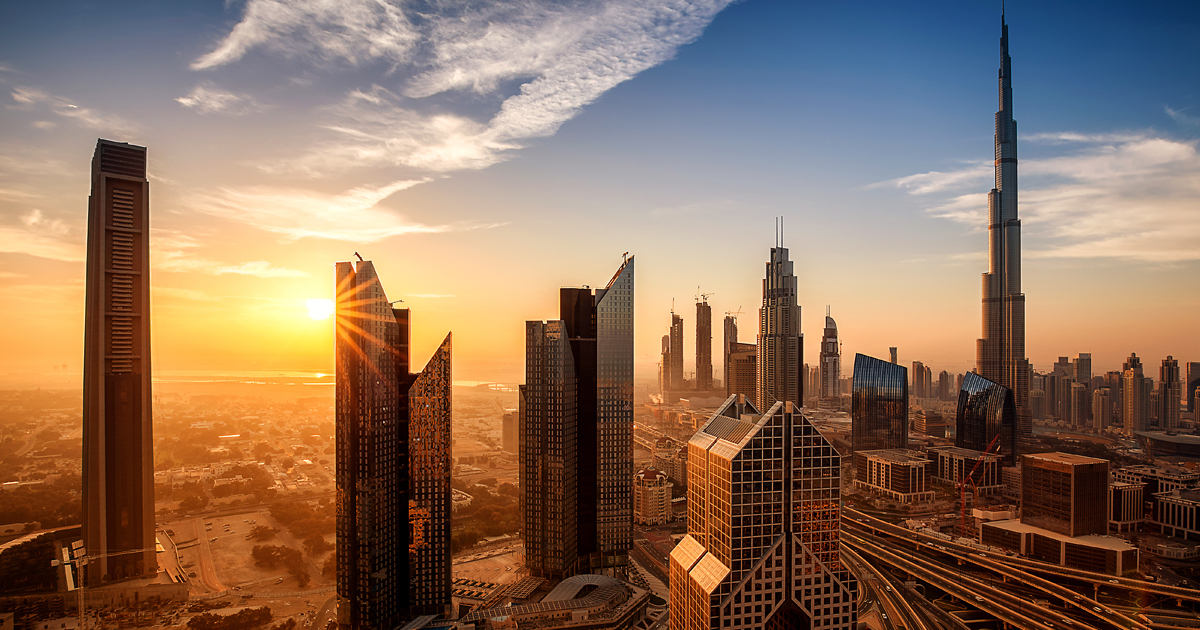
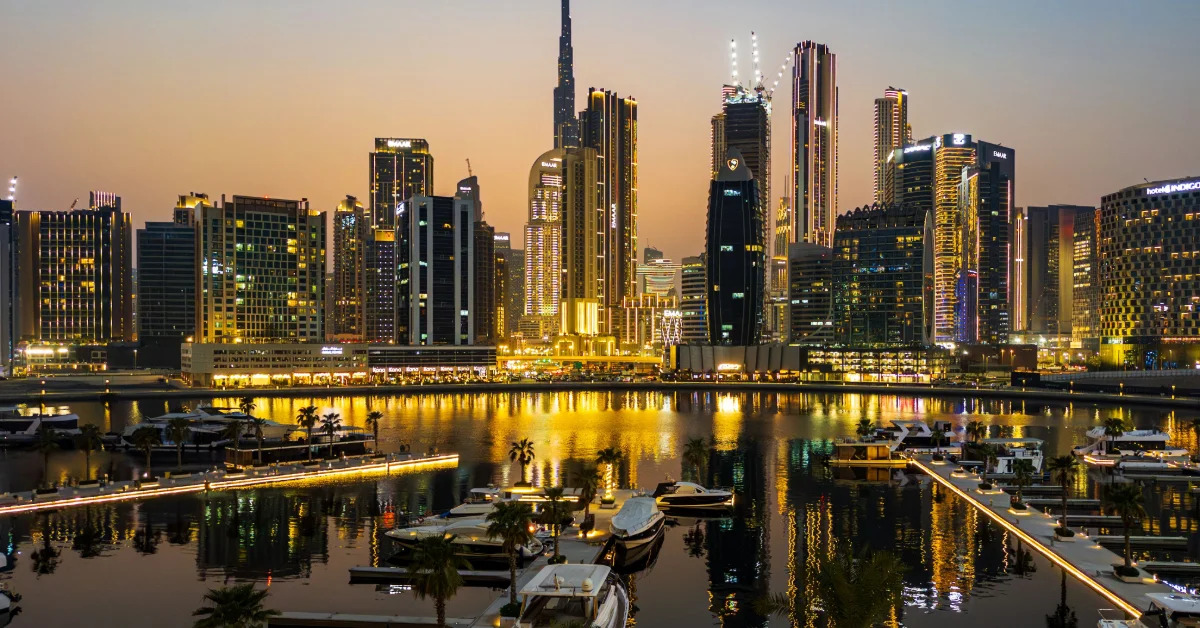
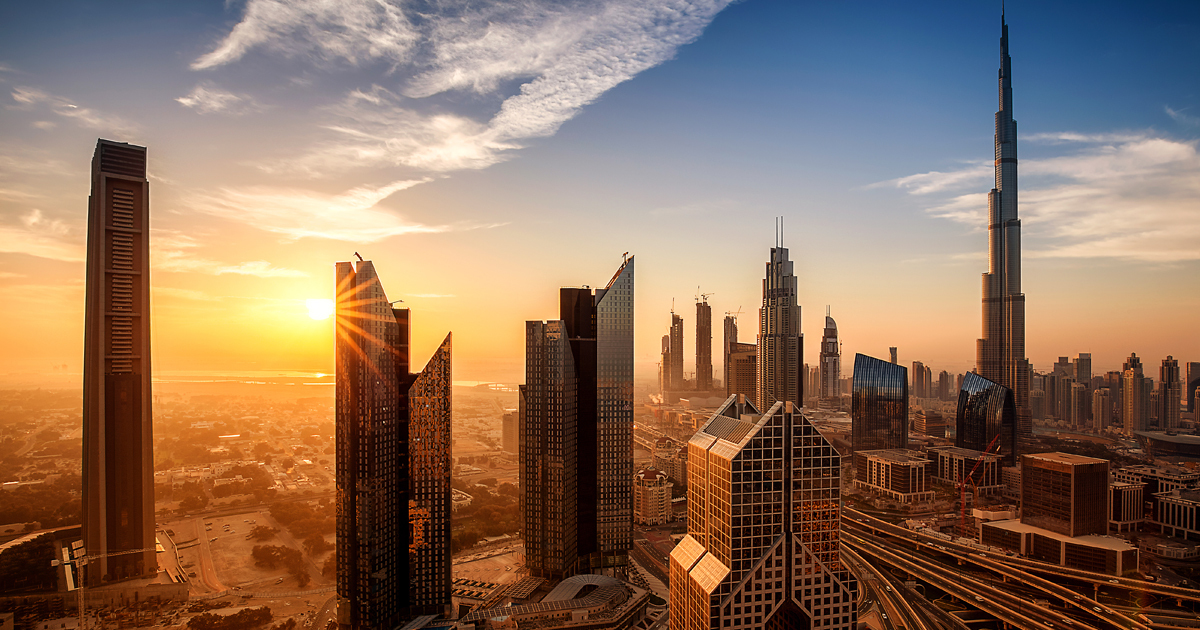
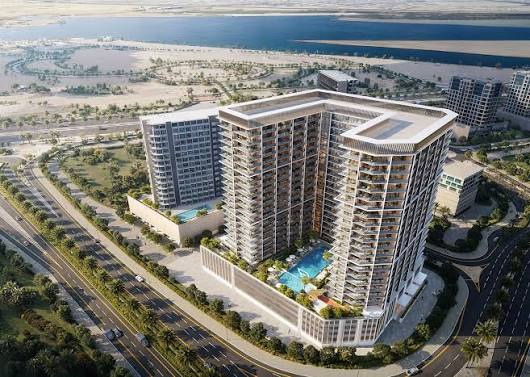
Dubai has established itself as one of the world's most attractive destinations for property investment, offering modern infrastructure, internationally recognised developments, and diverse real estate opportunities. Whether purchasing a residential apartment, luxury villa, or commercial property, investors can explore a market supported by economic diversification, international connectivity, and a structured regulatory environment.
This Dubai Real Estate Investment Guide provides essential information about investment opportunities, property ownership, popular locations, rental returns, and long-term market potential. Understanding these factors can help both first-time buyers and experienced investors make informed decisions in Dubai's evolving property market.
Why Dubai Is a Leading Destination for Real Estate Investment
Dubai continues to attract international property investors because of its strategic location, business-friendly environment, and high-quality lifestyle. The emirate connects major global markets and supports growing industries, including finance, technology, tourism, logistics, and international trade.
Dubai Land Department reported strong real estate activity in the first quarter of 2026, reflecting continued investor participation and demand across several property segments.
Several advantages contribute to Dubai's investment appeal:
- Strategic global location: Dubai provides convenient connections between Asia, Europe, and Africa.
- Modern infrastructure: Developed transport networks, healthcare facilities, educational institutions, and shopping destinations support residential demand.
- Diverse property opportunities: Investors can explore apartments, townhouses, villas, branded residences, and commercial spaces.
- International ownership opportunities: Foreign nationals can purchase property in designated freehold areas.
- Established rental market: Demand from professionals, families, and international residents creates opportunities for rental income.
- Long-term urban development: Infrastructure improvements and expanding communities support the city's economic transformation.
These advantages make Dubai appealing to investors seeking both income-generating properties and potential long-term capital appreciation.
Understanding the Dubai Real Estate Market
A successful property investment begins with understanding market conditions. Dubai's real estate sector includes several segments, each serving different investment objectives.
Residential properties remain important because of demand from individuals, professionals, and families relocating to Dubai. Meanwhile, commercial properties can attract businesses seeking offices, retail premises, and operational facilities.
The Dubai property market also includes off-plan developments and completed properties. Off-plan investments involve purchasing units before construction is finished, while ready properties provide the opportunity for immediate occupancy or rental, subject to availability and legal requirements.
Investors should examine transaction activity, rental performance, population trends, infrastructure development, and future housing supply before selecting a property.
Understanding local market cycles is equally important because property values and rental demand can fluctuate according to economic conditions and neighbourhood characteristics.
Best Areas for Real Estate Investment in Dubai
Location is one of the most influential factors in determining rental demand, property desirability, and future resale potential. Dubai offers several established and emerging communities with different investment characteristics.
Downtown Dubai
Downtown Dubai is recognised for its iconic skyline, luxury residences, shopping destinations, and proximity to major business districts. The area attracts residents who value central locations and premium urban living.
Dubai Marina
Dubai Marina offers waterfront apartments, modern residential towers, restaurants, and lifestyle amenities. Its established residential environment attracts professionals and international tenants seeking convenient access to leisure facilities.
Business Bay
Business Bay combines commercial developments with residential buildings and hospitality facilities. Its proximity to Downtown Dubai makes it relevant for investors targeting professionals and urban residents.
Dubai Hills Estate
Dubai Hills Estate is a master-planned community offering apartments, villas, landscaped parks, and family-oriented facilities. Its residential character appeals to families and long-term occupants.
Jumeirah Village Circle
Jumeirah Village Circle, commonly known as JVC, provides apartments, townhouses, parks, and neighbourhood amenities. Its expanding residential environment makes it worth considering for investors researching rental opportunities.
Dubai Creek Harbour
Dubai Creek Harbour features contemporary waterfront developments and residential communities with access to leisure destinations. Investors may evaluate the area's development pipeline and long-term lifestyle appeal.
The most suitable investment location depends on personal objectives, expected tenant demand, property type, and holding period.
Types of Properties Available for Investment in Dubai
Dubai's property market accommodates different investor preferences through a broad selection of residential and commercial property categories.
Apartments are commonly considered by investors targeting professionals, couples, and smaller households. Their rental performance depends on location, building management, amenities, and surrounding infrastructure.
Villas offer larger living spaces, private outdoor areas, and family-oriented environments. They can appeal to households seeking privacy and long-term accommodation.
Townhouses provide an alternative between apartments and detached villas. Many townhouse communities include landscaped surroundings, recreational facilities, and convenient access to schools.
Luxury waterfront properties attract buyers seeking distinctive locations, architectural quality, and premium residential experiences.
Commercial properties include offices, retail spaces, and other business premises. These investments require additional assessment of business demand, tenant arrangements, and property management responsibilities.
Selecting the appropriate property category requires balancing income expectations, maintenance obligations, tenant preferences, and potential resale demand.
Off-Plan vs Ready Properties: Which Is Better for Investment?
An essential consideration in any Dubai Real Estate Investment Guide is understanding the differences between off-plan and completed properties.
Off-plan properties are purchased during the development stage. Investors can explore newly launched communities, contemporary architectural designs, and modern residential amenities.
However, project completion schedules, construction progress, contractual conditions, and future market supply require careful evaluation.
Ready properties, on the other hand, allow investors to inspect the completed building, surrounding community, and existing facilities before purchasing.
These properties may also provide earlier rental opportunities when occupancy and leasing conditions permit.
For off-plan investments, buyers should verify project registration and escrow arrangements through relevant official channels. Dubai's regulatory framework requires project escrow accounts to manage payments collected for qualifying off-plan developments.
Ultimately, the choice between off-plan and ready property depends on investment objectives, financial planning, risk tolerance, and preferred ownership timelines.
Property Ownership Rules for Foreign Investors in Dubai
Dubai provides international investors with opportunities to acquire real estate in designated freehold communities.
Foreign buyers can own qualifying properties within approved freehold areas, subject to applicable laws and registration procedures.
The Dubai Land Department is responsible for registering property transactions and maintaining official real estate records. Proper registration is essential for establishing and protecting ownership rights.
Investors should understand the following considerations before completing a purchase:
- Confirm whether the property is located within an approved freehold ownership area.
- Verify the developer's registration and the project's legal status.
- Review the property's title deed or relevant initial registration documentation.
- Understand the sales agreement and contractual obligations.
- Examine applicable service charges and ongoing ownership responsibilities.
- Use authorised channels for documentation and transaction registration.
Some property investments may also support eligibility for long-term UAE residency, depending on the applicable immigration rules and individual circumstances. Eligibility should always be confirmed through official authorities.
Understanding Rental Yield and Capital Appreciation
Property investors generally evaluate two important sources of potential returns: rental income and capital appreciation.
Rental yield measures rental income relative to the property's value. Investors should distinguish between gross rental yield and net rental yield because operating expenses affect actual investment performance.
Net rental returns may be influenced by service charges, maintenance, vacancy periods, property management expenses, and other ownership costs.
Capital appreciation refers to an increase in property value over time. Factors influencing appreciation may include community development, connectivity improvements, housing demand, building quality, and market conditions.
Neither rental income nor capital growth is guaranteed.
Investors should assess the overall performance of an asset rather than relying exclusively on advertised rental yields or projected appreciation.
A balanced strategy considers income stability, property quality, future supply, and the ability to sell the investment when required.
Important Factors to Consider Before Investing in Dubai Property
Conducting thorough research is essential when evaluating Dubai's property market.
The following factors can influence investment performance:
- Developer reputation: Review previous developments, construction quality, and delivery history.
- Community infrastructure: Assess transport connections, schools, healthcare facilities, and retail destinations.
- Rental demand: Evaluate the property's suitability for the intended tenant demographic.
- Future development: Research planned infrastructure projects and competing residential supply.
- Property condition: Inspect completed units and assess potential maintenance requirements.
- Regulatory compliance: Confirm ownership documentation, project registration, and transaction procedures.
- Exit strategy: Consider resale liquidity and the intended investment holding period.
Professional guidance, independent research, and proper documentation can help investors reduce avoidable risks.
Future Outlook for Dubai Real Estate Investment
Dubai's long-term property outlook is influenced by population growth, economic diversification, infrastructure development, and evolving residential preferences.
The Dubai Economic Agenda D33 and Dubai Real Estate Strategy 2033 provide broader strategic direction for economic and property-sector development.
Meanwhile, emerging residential communities, digital property services, sustainable building practices, and improved urban mobility are shaping how investors evaluate opportunities.
Dubai Land Department's introduction of an integrated initial registration platform in September 2026 also reflects the sector's increasing adoption of digital processes.
Nevertheless, future performance will depend on economic conditions, property supply, financing availability, and demand.
Investors should therefore maintain realistic expectations, diversify where appropriate, and regularly review their investment strategies.
Conclusion
Dubai continues to provide diverse opportunities for local and international property investors through its established regulatory environment, expanding infrastructure, and broad selection of residential communities.
This Dubai Real Estate Investment Guide highlights the importance of selecting suitable locations, understanding ownership regulations, evaluating rental performance, and considering long-term market developments.
Successful property investment requires informed decisions, realistic expectations, and a clear understanding of potential risks.
At Orange Spaces UAE, we help buyers and investors explore Dubai's property market with professional guidance, market knowledge, and personalised assistance. Whether considering a modern apartment, family villa, or off-plan development, our focus is helping clients identify opportunities aligned with their property investment objectives.
FAQ
Frequently Asked Questions
1. Is Dubai a good place for real estate investment?
Dubai offers diverse property opportunities, established infrastructure, and an international rental market. However, investment suitability depends on property selection, market conditions, financial objectives, and individual risk tolerance.
2. Can foreigners buy property in Dubai?
Yes. Foreign nationals can purchase qualifying properties in designated freehold areas of Dubai, subject to applicable ownership laws and registration requirements.
3. Is off-plan property a good investment in Dubai?
Off-plan properties may offer long-term investment opportunities, but buyers should evaluate developer reliability, construction timelines, contractual terms, and future market conditions before proceeding.
4. Which Dubai areas are popular for property investment?
Popular communities include Downtown Dubai, Dubai Marina, Business Bay, Dubai Hills Estate, Jumeirah Village Circle, and Dubai Creek Harbour. The most appropriate location depends on investment goals and property preferences.
5. Can Dubai property investors earn rental income?
Yes. Qualifying residential and commercial properties can generate rental income when leased. Actual returns depend on tenant demand, occupancy, maintenance obligations, and operating expenses.