Dubai Real Estate Insights
Top Warehouse Locations for Investment in Dubai
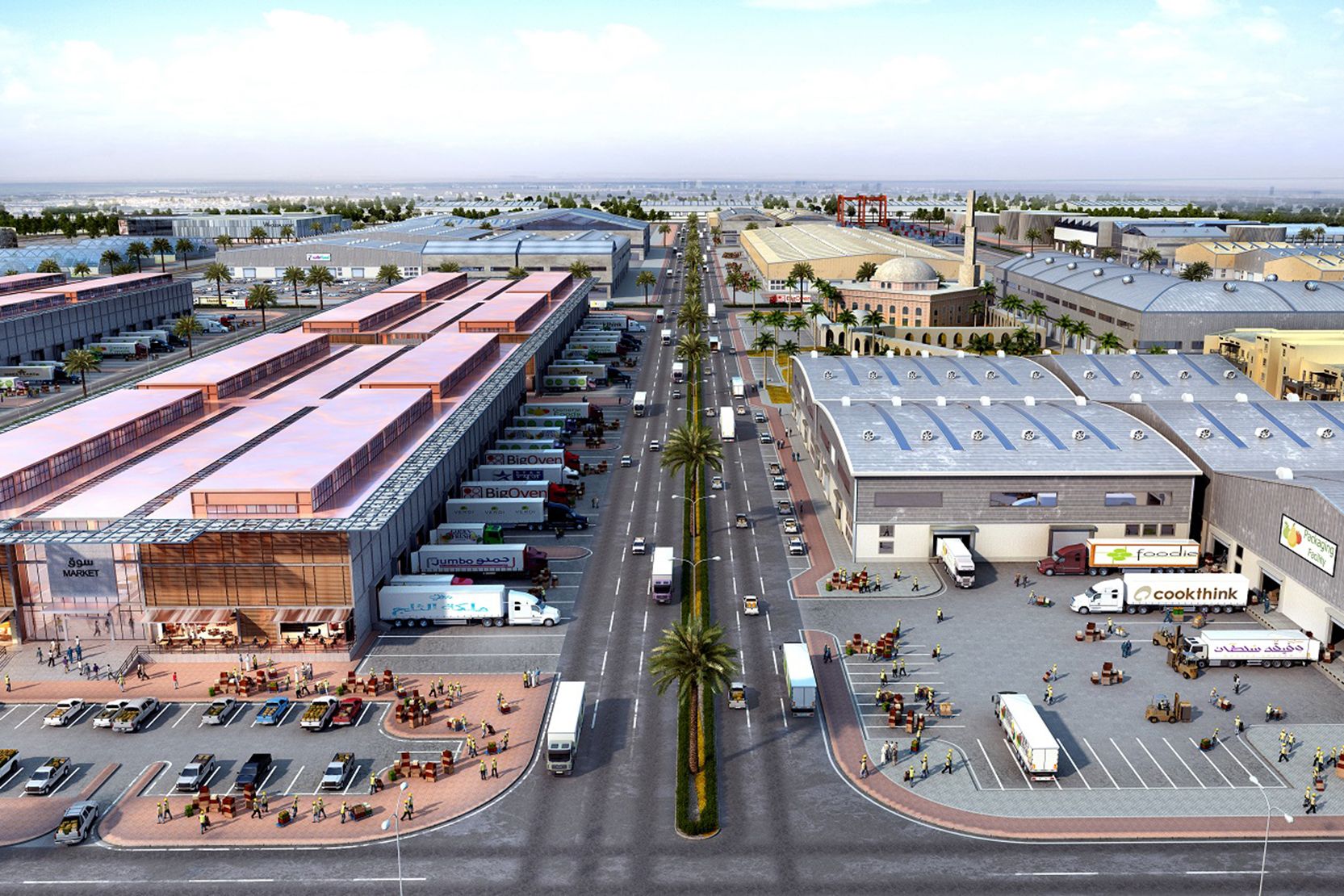
Dubai's position as a global trading centre has created a substantial market for warehouses, distribution facilities and industrial properties. Its seaports, airports and road networks connect local businesses with regional and international customers. Understanding the Top Warehouse Locations for Investment in Dubai is therefore essential for investors seeking rental income, long-term occupancy and exposure to the logistics economy.
However, location alone does not determine performance. Ownership rights, building specifications, tenants and the supply of competing facilities can significantly affect an asset's prospects. This guide examines Dubai's leading industrial districts and the practical considerations behind a well-informed warehouse investment.
Why Dubai's Warehouse Market Matters in 2026
Demand extends beyond traditional storage. Freight forwarders, manufacturers, online retailers and food distributors increasingly need warehouses that support efficient inventory management and reliable deliveries. Knight Frank reported 12.3 million square feet of new industrial and logistics requirements in Dubai during the first half of 2026. Manufacturing and industry accounted for 35.1% of those requirements.
Nevertheless, the market is becoming more selective as new facilities are delivered. Modern specifications and operational efficiency matter alongside transport connectivity. Investors exploring Industrial Warehouse Investment Opportunities in Dubai should therefore assess actual tenant requirements.
Top Warehouse Locations for Investment in Dubai
1. Jebel Ali Free Zone (JAFZA)
JAFZA is a major logistics hub for businesses involved in international trade, freight forwarding and regional distribution. Its proximity to Jebel Ali Port provides practical advantages for container movement and import-export operations. Investors should distinguish company ownership from property ownership: JAFZA's standard pre-built warehouse offering is rental-based, so any proposed acquisition or sublease requires careful verification of the underlying rights.
2. Jebel Ali Industrial Area
Jebel Ali Industrial Area serves mainland manufacturing, trading and warehouse businesses. The port and major road connections make it relevant to companies moving goods across the UAE and wider Gulf region. Industrial units can support assembly, storage and commercial distribution. Before acquiring an interest, investors should examine loading access, utility capacity and permitted activities, as well as the plot-specific ownership or lease terms.
3. Dubai Investments Park (DIP)
Dubai Investments Park combines industrial, logistics and commercial infrastructure within an established mixed-use development. Its tenant ecosystem supports manufacturing, warehouse storage and distribution services. DIP operates through long-term ground leases and subleases; the remaining tenure, consent requirements and transfer conditions can be as important as the physical warehouse itself.
4. Dubai South Logistics District
Dubai South is closely connected to Al Maktoum International Airport and the transport corridor serving Jebel Ali Port. Its logistics ecosystem includes e-commerce operations, contract logistics and bonded freight facilities. The district is particularly relevant to long-term logistics strategies, but investors must differentiate an interest in a property, a development arrangement and a free-zone lease.
5. Al Quoz Industrial Area
Al Quoz benefits from its established location within urban Dubai. Warehouses here can serve retailers, automotive businesses, workshops and last-mile delivery operators needing access to the city's commercial districts. That connectivity can support occupier demand, although older facilities may require refurbishment or more extensive maintenance.
6. Ras Al Khor Industrial Area
Ras Al Khor accommodates wholesale traders, storage operators and industrial service businesses. Investors should compare unit size, loading arrangements and existing lease terms. Ownership eligibility also requires particular care because land rights can vary between individual plots within an industrial district.
7. Dubai Industrial City
Dubai Industrial City is designed for manufacturing and logistics across specialised industrial sectors, including food production, machinery and chemical-related activities. Its infrastructure and access to major roads, Jebel Ali Port and the Etihad Rail freight network strengthen its industrial relevance. Due diligence should focus on utilities, sector-specific permissions and the applicable lease structure.
8. Al Qusais Industrial Area
Al Qusais serves established small and medium-sized businesses, light manufacturers and distributors. Its location in northeastern Dubai provides access to local markets and routes towards Sharjah. Properties can be suited to regional inventory storage, commercial services and smaller-scale logistics. Investors should assess competition from comparable units, building condition and the needs of the likely tenant rather than relying solely on district reputation.
9. National Industries Park
National Industries Park is associated with large-scale manufacturing, logistics and build-to-suit industrial development. Its location within the wider Jebel Ali economic ecosystem can be relevant for businesses requiring specialised facilities and room for expansion. Industrial land is offered through leasing arrangements, so investment analysis must account for development obligations, remaining tenure, permitted construction and the demand for the completed facility.
How to Identify the Best Areas for Warehouse Investment in Dubai
The Best Areas for Warehouse Investment in Dubai depend on the intended tenant. Port-linked logistics operators may prioritise Jebel Ali, while air-freight businesses may favour Dubai South. Manufacturing occupiers can value Dubai Industrial City or DIP, whereas Al Quoz and Ras Al Khor may better serve urban distribution.
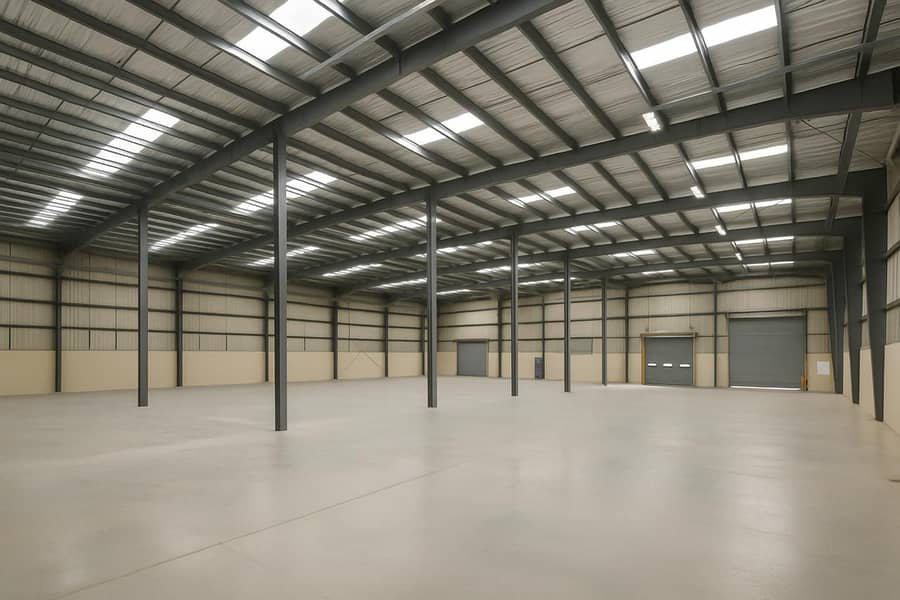
Beyond location, assess clear ceiling height, floor loading, loading docks, truck access, electrical capacity, fire protection and space for expansion. Grade A warehouses can offer operational advantages, but a well-maintained older building may still be appropriate for the right user. Match the asset to occupier needs before comparing financial performance.
Warehouse Returns, Rental Demand and Due Diligence
Searches for High ROI Warehouses in Dubai often focus on advertised rental yields. A credible assessment must go further. Gross yield compares annual rent with acquisition cost, while net yield also reflects operating expenses and expected vacancy. Investors should evaluate existing tenancy agreements, payment history, maintenance obligations, insurance, capital expenditure and lease expiry dates.
Rental growth is not guaranteed. New supply, tenant preferences and differences between modern and older facilities can change achievable rents. Independent valuation, comparable transactions and realistic occupancy assumptions help establish whether an investment offers sustainable income. For Commercial Warehouse Properties in Dubai, durable cash flow is generally more informative than an unsupported headline return.
Can Foreign Investors Buy Warehouses in Dubai?
Some listings advertise Warehouses for Sale in Dubai, but availability does not establish a universal right to acquire the underlying land. Freehold, leasehold and usufruct interests have different legal consequences. The applicable rights depend on the designated plot, the relevant authority and the transaction structure.
For example, Dubai legislation permits qualifying non-UAE nationals to acquire specified long-term lease and usufruct rights in certain industrial plots. Before proceeding, confirm the title or lease, remaining term, licensing status, transfer permissions and permitted industrial use with the appropriate authorities and qualified advisers.
The Future of Dubai Warehouse Investment
The next generation of warehouses will increasingly integrate automated inventory systems, data-led stock management, energy-efficient design and more adaptable storage layouts. E-commerce fulfilment, cold-chain logistics and sophisticated manufacturing can create demand for specialised facilities, while improved freight links may reshape where occupiers choose to operate.
Future-ready properties should be flexible rather than merely technologically impressive. High-quality infrastructure, practical layouts and the ability to accommodate changing tenant requirements can help a building remain competitive as supply chains evolve.
Frequently Asked Questions
1. Which area is best for warehouse investment in Dubai?
There is no single best area. Jebel Ali is relevant for port logistics, Dubai South for airport-related distribution, and Al Quoz for urban access. The preferred location depends on tenants, ownership rights and financial objectives.
2. Can foreigners purchase industrial warehouses in Dubai?
Foreign investors may acquire eligible property interests, but rights differ by plot and jurisdiction. Verify whether the transaction involves freehold title, a lease or usufruct before committing.
3. What affects warehouse rental yields in Dubai?
Rental income, acquisition costs, operating expenses, vacancies, lease terms and building quality influence returns. Market averages cannot replace property-specific financial analysis.
4. Are Grade A warehouses always the better investment?
Not necessarily. Modern facilities may attract demanding logistics tenants, but suitability, acquisition terms and continuing costs determine whether they offer better value than older buildings.
5. How will technology influence warehouse demand?
Automation, smarter inventory systems, cold-chain infrastructure and energy-efficient designs may increase demand for adaptable buildings that support modern distribution and manufacturing operations.
Conclusion
The Top Warehouse Locations for Investment in Dubai represent distinct opportunities rather than a single uniform market. Jebel Ali, Dubai South and Dubai Investments Park serve major logistics and manufacturing requirements, while Al Quoz, Ras Al Khor and other industrial areas support different occupier needs. Successful investment starts with matching location and building specifications to real demand, then verifying legal rights and realistic income assumptions. As Dubai's industrial economy evolves, adaptable, well-connected warehouses are likely to remain important assets for businesses and investors alike.