Dubai Real Estate Insights
Industrial Warehouse Investment Opportunities in Dubai
In this article
Dubai’s industrial and logistics sector is becoming an increasingly important part of the emirate’s real estate landscape. While residential and hospitality assets often receive more attention, warehouses provide investors with a practical opportunity to participate in Dubai’s expanding trade, e-commerce, manufacturing, storage, and distribution economy.
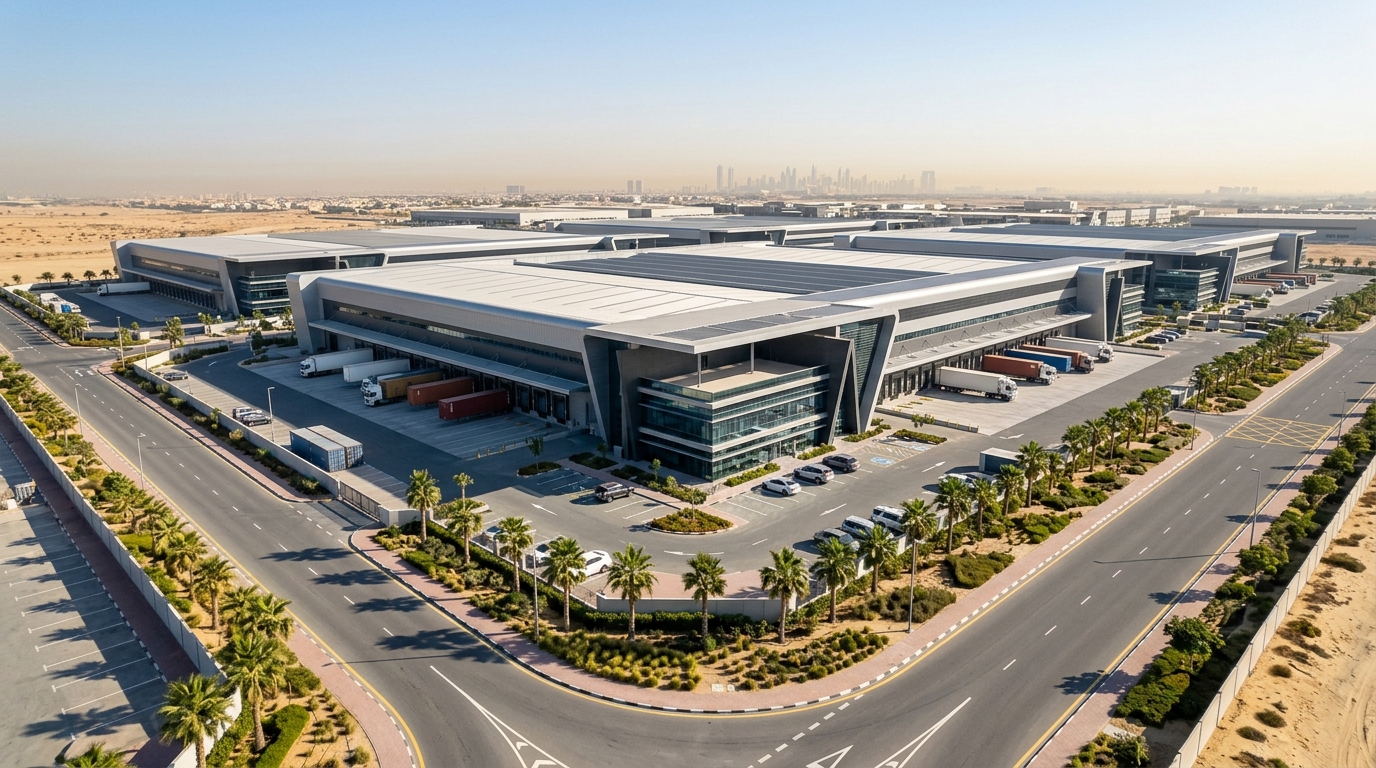
Industrial warehouse investment opportunities in Dubai are supported by the city’s position as a global business gateway. With major ports, airports, free zones, highways, and commercial districts connected through an advanced logistics network, Dubai continues to attract companies that require efficient storage and distribution facilities. For investors, this creates demand for well-located, compliant, and operationally suitable warehouse properties.
Warehouses can serve a broad range of occupiers, including importers, exporters, logistics operators, retailers, e-commerce brands, food distributors, light manufacturers, automotive businesses, and last-mile delivery companies. As business activity becomes faster and more technology-driven, the need for strategically positioned industrial assets is expected to remain relevant.
Why Dubai Is Attractive for Warehouse Investments
Dubai offers a business-friendly environment supported by strong infrastructure, international connectivity, and a diverse commercial economy. Its location between Asia, Europe, and Africa makes it a preferred base for regional trade and supply-chain operations.
Warehouse investments are especially relevant because physical goods still need places to be stored, processed, packed, and delivered. Whether a business handles consumer products, spare parts, construction materials, food supplies, or online orders, a functional warehouse can play a vital role in daily operations.
Key factors driving industrial warehouse investment opportunities in Dubai include:
- Strong demand from logistics and supply-chain companies
- Growing e-commerce and last-mile delivery requirements
- Access to major road networks, ports, and airports
- A diversified economy with active trading and manufacturing sectors
- Availability of mainland and free-zone industrial locations
- Demand for modern storage, cold storage, and light-industrial facilities
- Long-term relevance for businesses dealing with physical inventory
Unlike properties selected mainly for lifestyle appeal, warehouses are often chosen based on operational efficiency. Location, loading access, ceiling height, yard space, power capacity, and transport connectivity can directly influence a tenant’s decision.
Key Locations for Industrial Warehouse Investment Opportunities in Dubai
Dubai has several established industrial and logistics districts, each suited to different business needs. Selecting the right location is one of the most important decisions for an investor.
Al Quoz
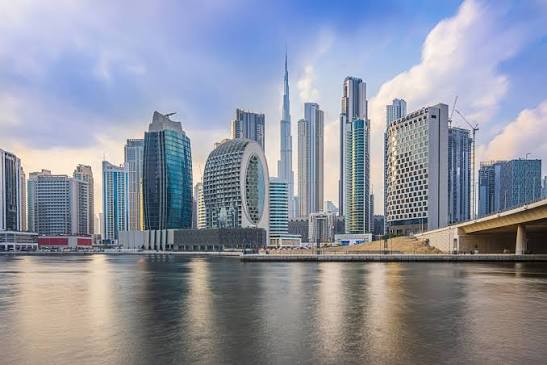
Al Quoz is a well-known industrial area with strong connectivity to central Dubai and major commercial districts. It is popular among businesses requiring easy access to Sheikh Zayed Road, Business Bay, Downtown Dubai, and surrounding urban areas.
Warehouses in Al Quoz can appeal to companies involved in building materials, maintenance services, automotive work, furniture, events, retail support, and distribution. Its central position can be valuable for businesses that need fast access to customers across the city.
Dubai Investment Park
Dubai Investment Park, commonly known as DIP, is a major mixed-use industrial and commercial community. It provides a structured environment for warehouses, factories, offices, showrooms, and logistics operations.
The area is well positioned for businesses operating between Dubai and Abu Dhabi. It also benefits from access to key highways and proximity to Jebel Ali. For investors, DIP can be suitable for tenants seeking larger operational spaces and long-term industrial locations.
Jebel Ali and JAFZA
Jebel Ali is one of Dubai’s most important logistics hubs due to its proximity to Jebel Ali Port, industrial zones, and major transport links. The Jebel Ali Free Zone Authority, or JAFZA, has long been associated with international trade, warehousing, manufacturing, and re-export activity.
Warehouse properties in this area can be attractive to businesses that import goods, manage regional distribution, or require close access to port operations. Investors should understand the ownership structure, licensing requirements, and applicable free-zone regulations before making a decision.
Dubai South
Dubai South is gaining attention as a logistics-focused destination because of its proximity to Al Maktoum International Airport and its planned role in Dubai’s future mobility and trade ecosystem. The area is relevant for aviation, cargo, e-commerce, logistics, and light-manufacturing businesses.
As infrastructure and commercial activity continue to develop, Dubai South may offer investors exposure to an evolving industrial location with long-term potential.
Ras Al Khor and Dubai Industrial City
Ras Al Khor is known for industrial activity, workshops, storage facilities, and access to central Dubai. Dubai Industrial City, meanwhile, is designed to support manufacturing and logistics businesses at scale.
These locations may appeal to investors looking at industrial warehouse investment opportunities in Dubai with a focus on operational occupiers rather than retail-facing tenants.
Warehouse Types Investors Can Consider
Industrial warehouse properties are not all the same. The best asset depends on the target tenant, location, business activity, and technical requirements.
Standard Storage Warehouses
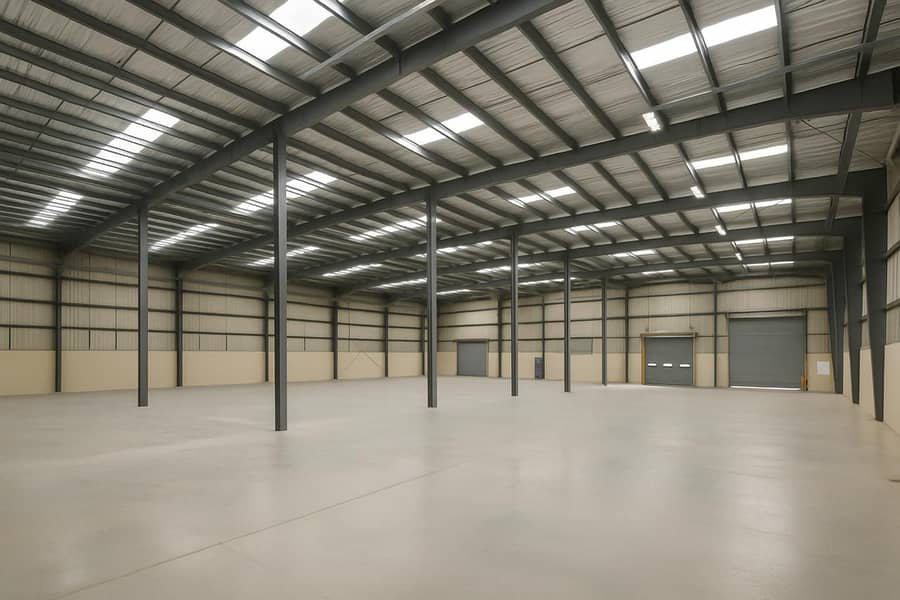
Standard warehouses are designed for general storage and distribution. They may suit trading companies, wholesalers, retailers, and logistics operators that require practical space for inventory management.
Important features often include loading bays, roller shutters, adequate ceiling height, vehicle access, and office space.
Light Manufacturing Warehouses
Light-industrial warehouses are suitable for businesses that assemble, package, repair, fabricate, or process products. These properties may require higher power capacity, ventilation, approvals, and layouts that support machinery or production lines.
Investors should verify the permitted use of the property, especially where manufacturing activity is involved.
Cold Storage Facilities
Cold storage warehouses are designed for temperature-controlled goods such as food, pharmaceuticals, flowers, and certain consumer products. These assets can serve a specialised market, but they also require technical systems, maintenance planning, and reliable compliance standards.
A cold storage facility may offer a differentiated investment proposition when the location and tenant demand are aligned.
Last-Mile Distribution Facilities
Last-mile warehouses are positioned closer to high-density residential and commercial areas. They help businesses deliver goods quickly within Dubai, especially for e-commerce, grocery, and consumer-product orders.
As customer expectations for faster delivery continue to rise, strategically located last-mile facilities may become increasingly valuable.
What Makes a Warehouse Investment Strong?
A warehouse should be assessed as a business asset, not simply as a building. The physical property must support the tenant’s operations effectively.
Investors should consider the following factors:
- Access to highways, ports, airports, and customer markets
- Land size, built-up area, and potential for expansion
- Ceiling height and internal layout
- Loading bays, roller shutters, and truck circulation space
- Availability of parking and staff facilities
- Power capacity, fire safety systems, and utility connections
- Permitted activities and required licences
- Condition of the structure and maintenance requirements
- Lease terms, tenant profile, and occupancy potential
- Compliance with relevant Dubai regulations and safety standards
A warehouse with poor truck access or limited loading capability may not suit a logistics tenant, even if the property appears attractive on paper. Similarly, a modern facility in the wrong location may struggle to match the needs of its intended occupiers.
Demand Drivers for Warehouses in Dubai
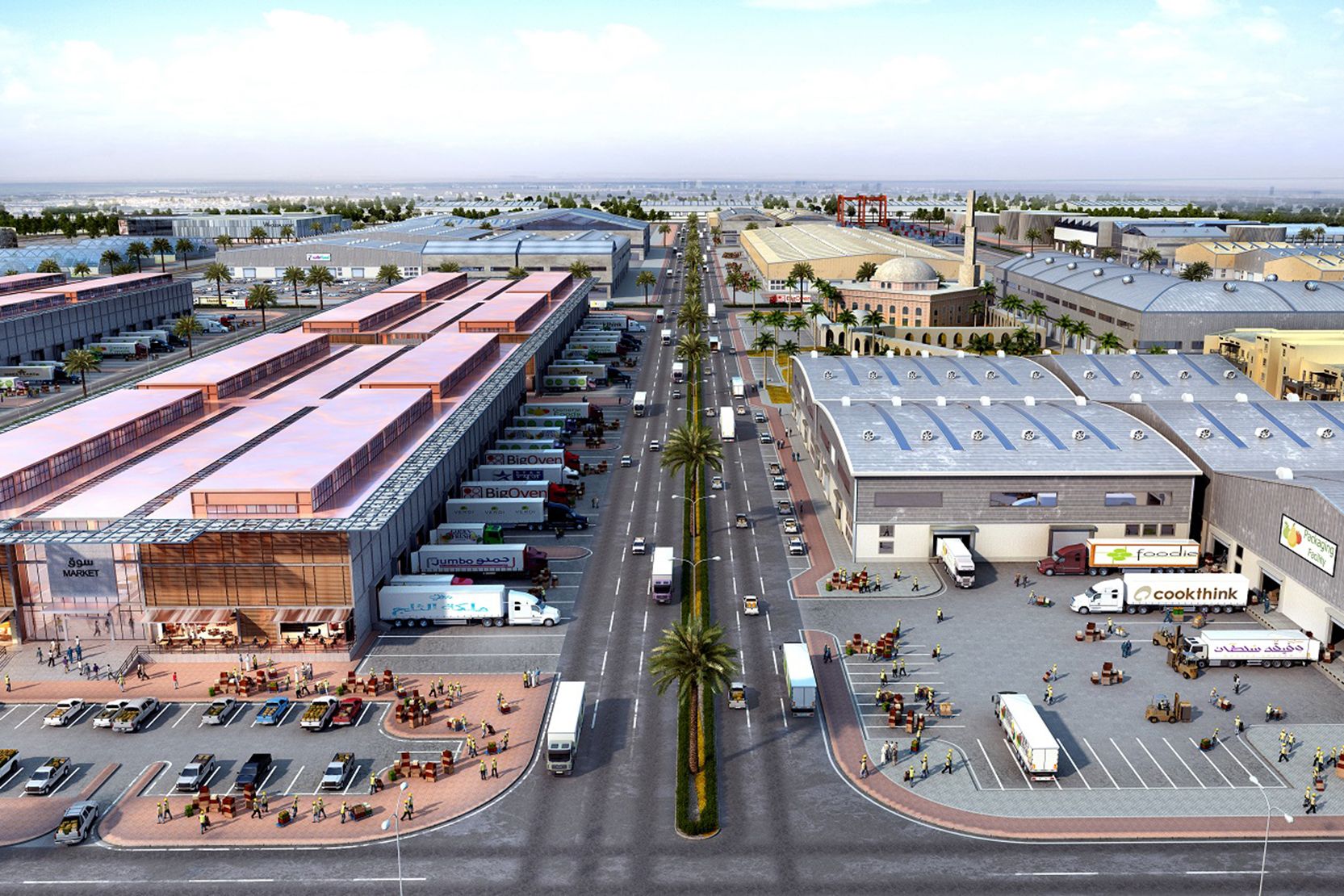
Dubai’s warehouse market is influenced by several long-term commercial trends. E-commerce is one major driver, as online brands need facilities for storing, sorting, packing, and dispatching products. Traditional retail, wholesale trade, construction, automotive services, food distribution, and regional re-export businesses also support warehouse demand.
Dubai’s continued investment in infrastructure can further strengthen industrial activity. Roads, ports, airports, free zones, and logistics corridors make the emirate more accessible for companies moving goods locally and internationally.
The growing focus on supply-chain resilience is another important consideration. Businesses increasingly seek reliable storage capacity and efficient distribution networks to manage inventory and respond to changing customer demand.
Due Diligence Before Investing
Before purchasing an industrial warehouse, investors should complete detailed due diligence. This includes reviewing title documentation, zoning, permitted use, building condition, tenant agreements, and operational obligations.
A professional review can help clarify whether the warehouse is suitable for standard storage, logistics, manufacturing, food handling, or another specific activity. Investors should also understand service charges, maintenance responsibilities, insurance needs, utility capacity, and any future development plans affecting the surrounding area.
The right warehouse investment should align location, tenant demand, technical specifications, and long-term business relevance.
Conclusion
Industrial warehouse investment opportunities in Dubai offer a compelling route into an asset class supported by trade, logistics, e-commerce, and operational business demand. The most successful investments are typically those that combine the right location, efficient design, legal compliance, and a clear understanding of tenant requirements.
For investors seeking professional guidance on commercial and industrial real estate opportunities, Orange Spaces can help identify warehouse assets that align with practical business needs and long-term investment objectives.
FAQ
Frequently Asked Questions
Is warehouse investment suitable for first-time commercial investors?
It can be suitable when the investor understands the location, lease structure, property condition, and likely tenant demand. Professional guidance and due diligence are essential before proceeding.
Which areas are popular for warehouse investments in Dubai?
Common industrial and logistics locations include Al Quoz, Dubai Investment Park, Jebel Ali, JAFZA, Dubai South, Ras Al Khor, and Dubai Industrial City.
What types of businesses rent warehouses in Dubai?
Tenants may include logistics providers, e-commerce companies, wholesalers, retailers, food distributors, manufacturers, automotive businesses, importers, and exporters.
What should investors check before buying a warehouse?
Key checks include legal ownership, zoning, permitted use, access roads, loading facilities, power capacity, fire safety systems, tenant profile, lease terms, and maintenance requirements.
Are warehouses in Dubai only for storage businesses?
No. Warehouses can support storage, distribution, light manufacturing, packaging, fulfilment, cold storage, repair services, trade operations, and last-mile delivery.