Dubai Real Estate Insights
UAE Freehold Properties for Foreigners
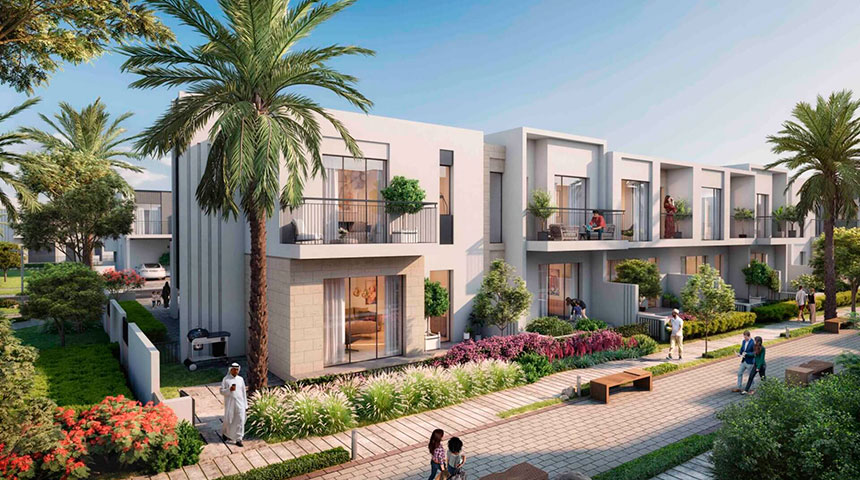
The UAE has become one of the few places in the world where international buyers can own property outright, with no local partner, no residency requirement and no annual property tax. UAE freehold properties for foreigners now span five emirates, hundreds of master-planned communities and a growing pipeline of smart, sustainable developments built for the next decade.
Quick answer: Yes, foreigners can buy freehold property in the UAE. Ownership is permitted in designated freehold zones in Dubai, Abu Dhabi, Ras Al Khaimah and Ajman, with approved projects in Sharjah. Transfer fees range from about 2% to 4%, and property worth AED 2 million or more can qualify the owner for a 10-year UAE Golden Visa.
This guide explains how freehold property ownership in UAE for foreigners works, where to buy, what it costs and where the market is heading.
What Is Freehold Property in the UAE?
Freehold property gives the buyer full, permanent ownership of both the unit and the land it stands on. There is no fixed term and no reversion to a developer or government. Owners can sell, lease, mortgage or pass the property to heirs.
Dubai introduced freehold ownership for non-nationals in 2002 and formalised it through Dubai Law No. 7 of 2006. Abu Dhabi followed with a 2019 amendment that opened its investment zones to foreign freehold. Ras Al Khaimah, Ajman and Sharjah have since created their own frameworks, each regulated by its local land department.
Freehold Property Ownership in UAE for Foreigners: Who Can Buy?
Any foreign national can buy in a designated freehold zone, including non-residents who have never lived in the UAE. There is no minimum age for ownership, and property can be held individually, jointly or through an approved company. Outside these zones, permanent ownership is generally reserved for UAE and GCC nationals.
Buyers should confirm the status of the specific building or project, not just the community name. Three ownership models exist:
| Ownership type | Duration | Land ownership | Where it applies |
|---|---|---|---|
| Freehold | Permanent | Yes | Designated zones in Dubai, Abu Dhabi, RAK, Ajman |
| Leasehold | Up to 99 years | No | Selected non-freehold areas |
| Usufruct | Up to 100 years | No | Approved areas in Sharjah |
Freehold Properties for Expats in UAE: Areas by Emirate
Each emirate sets its own freehold map, regulator and fee structure. Dubai remains the deepest market with over 50 designated freehold areas, while Abu Dhabi and Ras Al Khaimah are expanding fastest.
| Emirate | Key freehold areas | Regulator |
|---|---|---|
| Dubai | Dubai Marina, Downtown Dubai, Business Bay, Palm Jumeirah, JLT, Dubai Hills Estate, Dubai Creek Harbour, Emaar Beachfront, JVC, Arabian Ranches, Al Furjan, Dubai South | Dubai Land Department (DLD), RERA |
| Abu Dhabi | Saadiyat Island, Yas Island, Al Reem Island, Al Maryah Island, Al Raha Beach, Al Reef, Masdar City | Department of Municipalities and Transport (DMT) |
| Ras Al Khaimah | Al Marjan Island, Al Hamra Village, Mina Al Arab, Hayat Island | RAK Land Department |
| Ajman | Al Zorah, Emirates City | Ajman Land and Real Estate Regulation |
| Sharjah | Aljada, Tilal City, Al Khan (approved projects) | Sharjah Real Estate Registration |
Best Freehold Areas in UAE for Foreign Investors
The right area depends on whether you are buying for lifestyle, family living, rental income or long-term growth.
- Luxury and waterfront: Palm Jumeirah offers beachfront villas and branded residences. Downtown Dubai sits beside Burj Khalifa and Dubai Mall, while Dubai Marina delivers high-rise waterfront living with strong short-let demand. In Abu Dhabi, Saadiyat Island pairs beaches with the Louvre Abu Dhabi cultural district.
- Family communities: Dubai Hills Estate, Arabian Ranches, Jumeirah Golf Estates and Tilal Al Ghaf combine villas, schools, parks and golf. Yas Island and Al Reef serve families in Abu Dhabi.
- Rental yield and value: Jumeirah Village Circle (JVC), Arjan, Dubai Silicon Oasis and Town Square offer lower entry prices and consistent tenant demand. Al Reem Island is Abu Dhabi's strongest apartment rental market.
- Growth and emerging hotspots: Dubai Creek Harbour, Dubai South and Emaar Beachfront are tied to major infrastructure. Al Marjan Island in Ras Al Khaimah is drawing investors ahead of the Wynn Al Marjan Island resort opening in 2027.
Costs and Fees for Foreign Buyers
Transaction costs vary by emirate, so budget for the full outlay, not just the purchase price.
| Cost | Dubai | Abu Dhabi | Ras Al Khaimah | Ajman |
|---|---|---|---|---|
| Transfer / registration fee | 4% | ~2% | ~2–4% | ~3% |
| Typical total closing costs | 6–8% | 4–6% | Varies | Varies |
Other costs include the DLD trustee office fee of AED 4,000, agent commission of around 2%, mortgage registration, and annual service charges that vary by tower and community.
The UAE's tax position is a major draw. There is no annual property tax, no capital gains tax and no personal income tax on rental income for individuals.
Mortgages, Golden Visa and Residency
Mortgages. Major UAE banks including Emirates NBD, First Abu Dhabi Bank, ADCB, Mashreq, HSBC and Abu Dhabi Islamic Bank lend on freehold property. Non-residents can borrow, but loan-to-value limits are usually lower and documentation is stricter than for UAE residents.
UAE Golden Visa. Owning property with a DLD-certified value of at least AED 2 million qualifies the owner for a renewable 10-year Golden Visa. Mortgaged and off-plan properties both qualify, multiple properties can be combined to reach the threshold, and the visa covers a spouse and children.
2-year investor visa. For buyers below the Golden Visa threshold, Dubai's 2-year property investor visa removed its AED 750,000 minimum in early 2026. In April 2026, Dubai also unified Golden Visa and property residency applications on a single GDRFA platform, cutting paperwork for investors.
How to Buy Freehold Property in Dubai as a Foreigner
The process is fast and fully regulated. Most ready-property transfers in Dubai complete within 30 to 45 days.
- Choose a freehold zone and property. Decide between ready and off-plan, and confirm the unit's freehold status.
- Sign the MOU (Form F). Buyer and seller agree terms, and the buyer typically pays a 10% deposit.
- Obtain the developer NOC. The developer confirms there are no outstanding service charges.
- Transfer at a DLD trustee office. The balance and fees are paid, and the title deed is issued in the buyer's name.
- Off-plan purchases are registered on the DLD's Oqood system, with payments protected in escrow accounts until handover.
The same principles apply in Abu Dhabi through DMT and in Ras Al Khaimah through the RAK Land Department.
UAE Property Investment Opportunities for Foreigners: The Road Ahead
The next phase of UAE real estate is being shaped by technology, sustainability and long-term residency policy.
- Smart, connected districts. Communities such as Dubai Creek Harbour and Dubai South are designed around integrated transport, digital services and walkable neighbourhoods, and are becoming preferred locations for Golden Visa buyers.
- Sustainable living. Masdar City in Abu Dhabi and new low-carbon master plans in Dubai are setting standards for energy-efficient homes that appeal to a new generation of global buyers.
- Digital transactions. Title deeds, Oqood registration and visa applications are moving onto unified government platforms, making remote purchases easier for overseas investors.
- New tourism anchors. Ras Al Khaimah's first integrated resort and Abu Dhabi's Saadiyat Cultural District are expanding demand beyond Dubai.
For foreign investors, this means more choice across emirates, clearer regulation and stronger long-term residency options than at any point in the market's history..
Final Thoughts
UAE freehold properties for foreigners offer a rare combination of full ownership, tax efficiency, residency benefits and a forward-looking development pipeline. Whether you are seeking a beachfront home on Palm Jumeirah, a family villa in Dubai Hills Estate or a high-yield apartment in JVC, the opportunity is broader and more accessible than ever. Speak with a RERA-registered advisor to match the right emirate and community to your goals.
FAQ
Frequently Asked Questions
Can non-residents buy freehold property in the UAE?
Yes. A residency visa is not required to buy in a designated freehold zone.
Can foreigners own land in the UAE?
Yes. Freehold ownership covers both the property and the land beneath it, including villa plots in freehold zones.
Does buying property give me UAE residency?
Property worth AED 2 million or more qualifies for the 10-year Golden Visa. Lower-value properties may qualify for the 2-year investor visa.
Can foreigners buy property in Sharjah?
Yes, but only in government-approved projects, typically under usufruct rights of up to 100 years.
Is there property tax in the UAE?
There is no annual property tax or capital gains tax. Owners pay service charges and one-off transfer fees.